

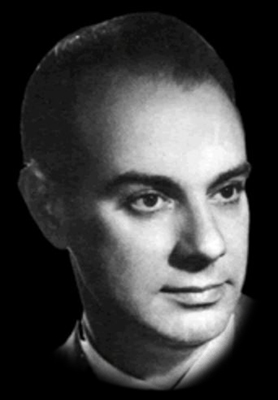
After the brief look at Armando Pontier last week, this week focuses on his music in more depth through the orquestas of Francini-Pontier and of Pontier himself.
That’s Tango Capital, Sunday evening from 7:00pm to 8:00pm:
- broadcasting on 2xxfm 98.3 in Canberra
- streaming to the web at http://www.2xxfm.org.au/listen
Image Credit: http://www.todotango.com/creadores/ficha/51/Armando-Pontier
PLAYLIST:
- Margo, meaning a woman’s name, a tango recorded by Francini-Pontier, on 29 January 1946, with music composed by Armando Pontier, composed in 1945, with lyrics by Homero Expósito, and sung by Alberto Podestá.
- El Milagro, meaning ‘The Miracle’, a tango recorded by Francini-Pontier, on 4 September 1946, with music composed by Armando Pontier, composed in 1946, with lyrics by Homero Expósito, and sung by Alberto Podestá.
- Qué Me Van A Hablar De Amor, meaning ‘What Are You Going To Tell Me About Love’, a tango recorded by Francini-Pontier, on 14 March 1946, with music composed by Héctor Stamponi, composed in 1946, with lyrics by Homero Expósito, and sung by Alberto Podestá.
- Bésame Mi Amor, meaning ‘Kiss Me My Love’, a tango recorded by Armando Pontier, on 22 July 1957, with music composed by Enrique Lomuto, first recorded in 1944, with lyrics by Oscar Rubens, and sung by Oscar Ferrari.
- Caminito, meaning ‘Pathway’, a tango recorded by Armando Pontier, on 5 August 1957, with music composed by Juan De Dios Filiberto, composed in 1926, with lyrics by Gabino Coria Peñaloza, and sung by Oscar Ferrari.
- Venganza, meaning ‘Revenge’, a tango recorded by Armando Pontier, on 25 September 1957, with music composed by Luis Rúbistein, first recorded in 1934, with lyrics by Luis Rúbistein, and sung by Oscar Ferrari.
- Y Dicen Que No Te Quiero, meaning ‘And They Say I Do Not Love You’, a tango recorded by Francini-Pontier, on 12 April 1947, with music composed by José Canet, first recorded in 1947, with lyrics by José Canet, and sung by Raúl Berón.
- La Culpa Es Mia, meaning ‘The Fault Is Mine’, a tango recorded by Francini-Pontier, on 11 June 1947, with music composed by Arturo Gallucci, first recorded in 1947, with lyrics by Victorino Velasquez, and sung by Raúl Berón.
- Uno Y Uno, meaning ‘One And One’, a tango recorded by Francini-Pontier, on 13 August 1947, with music composed by Julio Pollero in 1928, with lyrics by Lorenzo Juan Traverso, and sung by Raúl Berón.
- Cambalache, meaning ‘Mix-up’, a tango recorded by Armando Pontier, on 25 February 1958, with music composed by Enrique Santos Discépolo in 1934, with lyrics by Enrique Santos Discépolo, and sung by Julio Sosa.
- Que Me Importa Tu Pasado, meaning ‘What About Your Past’, a tango recorded by Armando Pontier, on 26 February 1958, with music composed by Manuel Sucher, first recorded in 1955, with lyrics by R Giménez, and sung by Julio Sosa.
- Guapo Y Varón, meaning ‘Handsome And Masculine’, a tango recorded by Armando Pontier, on 16 May 1958, with music composed by Enrique Delfino, first recorded in 1940, with lyrics by Manuel Romero, and sung by Julio Sosa.
- Una Carta Para Italia, meaning ‘A Letter For Italy’, a tango recorded by Francini-Pontier, on 24 March 1948, with music composed by Reinaldo Yiso and Santos Lipesker, first recorded in 1948, with lyrics by Reinaldo Yiso and Santos Lipesker, and sung by Roberto Rufino.
- Cancion Para Un Breve Final, meaning ‘Song For A Final Moment’, a tango recorded by Francini-Pontier, on 4 February 1948, with music composed by Armando Pontier, first recorded in 1948, with lyrics by Homero Expósito, and sung by Roberto Rufino.
- Claveles Blancos, meaning ‘White Carnations’, a tango recorded by Francini-Pontier, on 3 February 1949, with music composed by Armando Pontier, first recorded in 1949, with lyrics by José Maria Contursi, and sung by Roberto Rufino.
- Derecho Viejo, meaning ‘Old Way’, a tango recorded by Armando Pontier, on 7 August 1957, with music composed by Eduardo Arolas, first recorded in 1917.
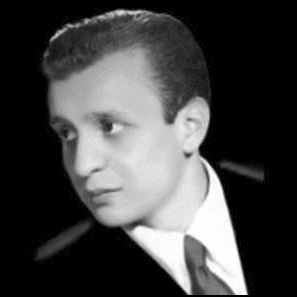 Following on from last week’s look at the life of Roberto Rufino, this week will explore his music as it unfolded over a quarter of a century with several orquestas – Di Sarli, Francini-Pontier, Caló and Troilo.
 Tango Capital