
Alberto Marino – the singing


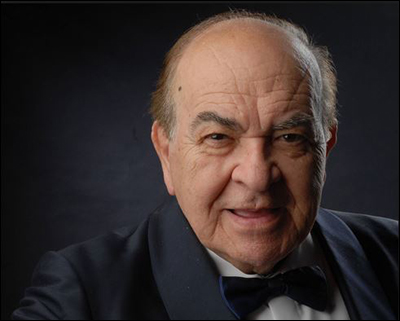
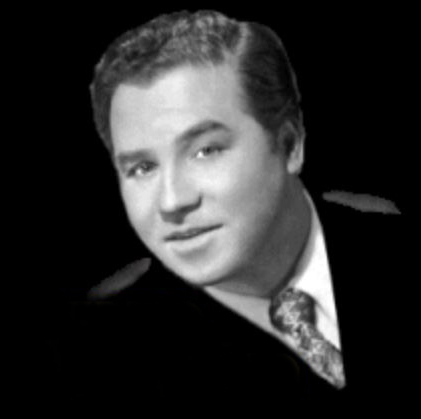
2017-04-11 - Alberto Marino‘La Voz de Oro del Tango’ was Alberto Marino, and recordings from his 5 years with Anibal Troilo are considered some of his finest. That’s Tango Capital, this Sunday evening from 7:00pm to 8:00pm:


Image Credit: http://www.todotango.com/creadores/ficha/165/Alberto-Marino

PLAYLIST:

  • Copas, Amigas Y Besos, meaning ‘Cups, Friends, And Kisses’, a tango recorded by Anibal Troilo, on 19 December 1944, with music composed by Mariano Mores in 1944, with lyrics by Enrique Cadícamo, and sung by Alberto Marino.
  • Cristal, meaning ‘Crystal’, a tango recorded by Anibal Troilo, on 7 June 1944, with music composed by Mariano Mores in 1944, with lyrics by José María Contursi, and sung by Alberto Marino.
  • Tres Amigos, meaning ‘Three Friends’, a tango recorded by Anibal Troilo, on 11 April 1944, music and lyrics by Enrique Cadícamo in 1942, and sung by Alberto Marino.
  • El Barrio del Tambor, meaning ‘The Suburb of The Drums’, a milonga recorded by Anibal Troilo, on 5 November 1943, with music composed by Antonio Bonavena, with lyrics by Horacio Sanguinetti, and sung by Alberto Marino.
  • Con Permiso, meaning ‘With Permission’, a milonga recorded by Anibal Troilo, on 27 September 1944, music and lyrics by Alberto Mastra, and sung by Alberto Marino.
  • Fruta Amarga, meaning ‘Bitter Fruit’, a tango recorded by Anibal Troilo, on 10 August 1945, with music composed by Hugo Gutiérrez, with lyrics by Homero Manzi, and sung by Alberto Marino.
  • Margo, A reference to a woman’s name, a tango recorded by Anibal Troilo, on 18 December 1945, with music composed by Armando Pontier in 1945, with lyrics by Homero Expósito, and sung by Alberto Marino.
  • Tedio, meaning ‘Boredom’, a tango recorded by Anibal Troilo, on 18 December 1945, music and lyrics by Miguel Bucino , and sung by Alberto Marino.
  • Soñar Y Nada Más, meaning ‘To Dream And Nothing More’, a vals recorded by Anibal Troilo, on 4 August 1943, with music composed by Francisco Canaro, with lyrics by Ivo Pelay, and sung by Alberto Marino & Francisco Fiorentino.
  • Palomita Blanca, meaning ‘Little White Dove’, a vals recorded by Anibal Troilo, on 23 November 1944, with music composed by Anselmo A Aieta in 1929, with lyrics by Francisco García Jiménez, and sung by Alberto Marino & Floreal Ruiz.
  • Milonga En Rojo, meaning ‘Milonga In Red’, a milonga recorded by Anibal Troilo, on 19 December 1944, with music composed by Lucio Demare and Roberto Fugazot, first recorded in 1942, with lyrics by José González Castillo, and sung by Alberto Marino & Floreal Ruiz.
  • Cimarron de Ausencia, meaning ‘Bitter Drink (literally, unsweetened maté (tea)) of Absence’, a milonga recorded by Anibal Troilo, on 5 June 1945, with music composed by Juan Larenza, with lyrics by Marsil Roblés, and sung by Alberto Marino & Floreal Ruiz.
  • Asi Es Ninon, meaning ‘This is Ninon’, a tango recorded by Anibal Troilo, on 25 September 1946, with music composed by Juan Larenza in 1946, with lyrics by Marsil Roblés, and sung by Alberto Marino.
  • Fuimos, meaning ‘We Went’, a tango recorded by Anibal Troilo, on 10 April 1946, with music composed by José Dames in 1945, with lyrics by Homero Manzi, and sung by Alberto Marino.
  • Sin Palabras, meaning ‘Without Words’, a tango recorded by Anibal Troilo, on 22 October 1946, with music composed by Mariano Mores in 1946, with lyrics by Enrique Santos Discépolo, and sung by Alberto Marino.
Talking with La Busca

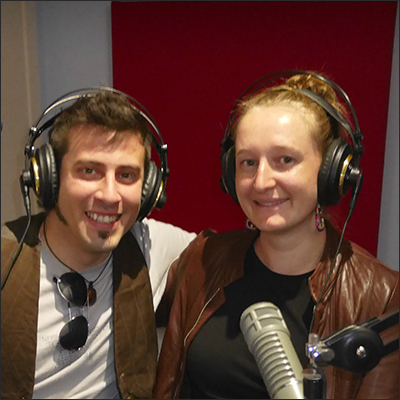
2016-12-17 - La Busca - Juan & Amy

This week looks at the Melbourne-based orquesta La Busca, with an interview with leaders Amy (bandoneón & keyboards) and Juan (vocals).


The voice of Alberto Marino then features.


That’s Tango Capital, Sunday evening from 7:00pm to 8:00pm:

PLAYLIST:

  • Milonga de Centenario, meaning ‘Centenniel Milonga’, a milonga recorded by Carlos Di Sarli, on 17 April1940, with music composed by Carlos Di Sarli, with lyrics by Carlos Moreno, and sung by Antonio Rodriquez Lesende.
  • Organito Del La Tarde, meaning ‘Street Organist of the Evening’, a tango recorded by Emilio Balcarce leading Alberto Marino’s orquesta, on 9 April1947, with music composed by Cátullo Castillo in 1923, with lyrics by José González Castillo, and sung by Alberto Marino.
  • El Motivo, meaning ‘The Reason’, a tango recorded by Emilio Balcarce, on 6 November 1948, with music composed by Juan Carlos Cobián in 1920, and with lyrics by Pascual Contursi sung by Alberto Marino.
  • Calle Del Ocaso, meaning ‘Street of the Sunset’, a tango recorded by Emilio Balcarce, on 20 January 1948, with music composed by Armando Laveglia, with lyrics both written and sung by Alberto Marino .
  • Farolito De Papel, meaning ‘Paper Lantern’, a tango recorded by Anibal Troilo, on 2 June1943, with music composed by Teófilo Lespés and Zenon Mario Lespés in 1930, with lyrics by FranciscoGarcia Jiménez, and sung by Alberto Marino.
  • El Entrerriano, a canyengue recorded by La Tubatango in 2006, with music composed by Rosendo Mendisábal, first recorded in 1914, with lyrics by Ernesto Temes.
  • Pimienta, meaning ‘Pepper’, a canyengue recorded by La Tubatango in 2006, with music composed by Osvaldo Fresedo, first recorded in 1939.
  • Noche De Cristal, meaning ‘Crystal Night’, a tango recorded by La Busca,on 19 November 2016, with music composed by Amy Lynch in 2016 and lyrics written and sung by Juan Veron.
  • Pensalo Muchacho, meaning ‘Think, Boy’, a tango recorded by Orquesta Típica Brunswick in 1931, with music composed by Roberto Zerrillo and Orestes Cúfaro, with lyrics by Mario José Bellini, and sung by Antonio Rodriquez Lesende.
  • Los ejes de mi carreta, meaning ‘The Axes of my Cart’, a milonga, recorded by Alberto Marino’s orquesta led by Emilio Balcarce on 10 September 1947, with music composed by Atahualpa Yupanqui, with lyrics by Romildo Risso, and sung by Alberto Marino.


Anibal Troilo – the music

2017-03-30 - Troilo - WordPress & Facebook

Last week paid homage to the uneventful personal life of Anibal Troilo that nonetheless was so influential musically that a visit to his statue at his gravesite in Chacarita cemetery in Buenos Aires is something of a pilgrimage. This week focuses on that music.  That’s Tango Capital, Sunday evening from 7:00pm to 8:00pm:

Image Credit:  http://www.vvradio.org/vv-Radio-styles-maestros-anibal-troilo-1950-1962-part-3/

PLAYLIST:

  • El Chupete, meaning ‘The Pacifier’, a tango recorded by Anibal Troilo, on 22 October 1942, with music composed by Carlos Ricardo Gaudencio, with lyrics by AntonioPolito.
  • La Maleva, meaning ‘The Rough Woman’, a tango recorded by Anibal Troilo, on 9 October 1942, with music composed by Antonio Buglione in 1922, with lyrics by Mario Alberto Pardo.
  • La Tablada, a tango recorded by Anibal Troilo, on 23 July 1942, with music composed by FranciscoCanaro, first recorded in 1920.
  • Con toda la voz que tengo, meaning ‘With All The Voice I Have’, a milonga recorded by Anibal Troilo, on 16 April1941, with music composed by AnibalTroilo, with lyrics by Enrique Dizeo, and sung by Francisco Fiorentino.
  • Mano Brava, meaning ‘Good Buddy’, a milonga recorded by Anibal Troilo, on 4 March 1941, with music composed by Manuel Buzón in 1941, with lyrics by Enriqu Cadícamo, and sung by Francisco Fiorentino.
  • Ficha de Oro, meaning ‘Cloth Of Gold’, a milonga recorded by Anibal Troilo, on 9 October 1942, with music composed by Carmelo DiNapoli, with lyrics by Enrique Dizeo, and sung by Francisco Fiorentino.
  • Valsecito Amigo, meaning ‘Little Waltz Friend’, a vals recorded by Anibal Troilo, on 25 March 1943, with music composed by Anibal Troilo, with lyrics by José María Contursi, and sung by Francisco Fiorentino.
  • Pedacito de Cielo, meaning ‘Little Piece of Sky’, a vals recorded by Anibal Troilo, on 10 September 1942, with music composed by Enrique Francini and Héctor Stamponi in 1942, and sung by Francisco Fiorentino.
  • Acordandome De Vos, meaning ‘Remembering You’, a vals recorded by Anibal Troilo, on 23 July 1942, with music composed by Anibal Troilo, with lyrics by Homero Expósito, and sung by Francisco Fiorentino.
  • Tinta Roja, meaning ‘Red Ink’, a tango recorded by Anibal Troilo, on 23 October 1941, with music composed by Sebastián Piana in 1941, with lyrics by Cátulo Castillo, and sung by Francisco Fiorentino.
  • Tabernero, meaning ‘Innkeeper’, a tango recorded by Anibal Troilo, on 28 May 1941, with music composed by Miguel Cafre and Fausto Frontera, first recorded in 1926, with lyrics by Raúl Costa Olivieri, and sung by Francisco Fiorentino.
  • Toda Mi Vida, meaning ‘All My Life’, a tango recorded by Anibal Troilo, on 4 March 1941, with music composed by Anibal Troilo in 1941, with lyrics by José María Contursi, and sung by Francisco Fiorentino.
  • De Pura Cepa, meaning ‘Of Pure Strain’, a milonga recorded by Anibal Troilo, on 22 October 1942, with music composed by José Ceglie and Antonio Molina, first recorded in 1935, with lyrics by Osvaldo Sosa Cordero, and sung by Francisco Fiorentino.
  • Del Tiempo Guapo, meaning ‘Of The Lovely Time’, a milonga recorded by Anibal Troilo, on 21 November 1941, with music composed by Vicente Fiorentino, with lyrics by Marcelo de la Ferrere, and sung by Francisco Fiorentino.
  • Papá Baltasar, meaning ‘Father Baltasar (a reference to one of the 3 Wise Men)’, a milonga recorded by Anibal Troilo, on 16 April 1942, with music composed by Sebastián Piana in 1942, with lyrics by Homero Manzi, and sung by Francisco Fiorentino.
  • Comme Il Faut, meaning ‘Proper’, a tango recorded by Anibal Troilo, on 7 March 1938, with music composed by Eduardo Arolas, first recorded in 1936, with lyrics by Gabriel Clausi.
  • Tinta Verde, meaning ‘Green Ink’, a tango recorded by Anibal Troilo, on 7 March 1938, with music composed by Agustin Bardi, first recorded in 1927.

What is tango worth to Argentina?

The question arose in the context of this month’s interview with the Ambassador, and we talked in generalities, but a little data has emerged…

US$450million – half a billion dollars, or $7 billion pesos (at the current exchange rate of around 15.56 pesos to the US dollar), mostly accruing to the city of Buenos Aires. Which is non-trivial, although should be understood in the context of a city of 11 million people, and so is (very roughly)  around 1/2 % of GDP for the city.

This is from a 2007 estimate prepared by the City of Buenos Aires (Marchini 20o7, quoted in The Tango Machine , Morgan James Luker, University of Chicago Press,2016,  p.12). But see also ‘Don’t Lie To Me, Argentina’ (The Economist, 23 February 2012), for a discussion of the rubberiness of many official statistics from Argentina.

Still, over recent months it appears that Argentina’s unemployment and inflation rates are being reported more accurately by the government (‘Argentina counts on credible statistics’, Financial Times, 16 June 2016). I will keep looking for some more up-to-date indicators.

Footnote: this is, of course, about inflow accruing to the City…but how much of it accrues to tango itself – to dancers, to milonga organisers, to shoe manufacturers, to musicians? Very little, it would appear (The Tango Machine, p. 13; ‘Tango In Trouble’, The Economist, 19 January 2017).

Ciudad Baigon – a different perspective on the current context of tango in Argentina

2017-03-26 - Statue of Troilo

His Excellency Dr Hugo Gobbi, Ambassador of Argentina to Australia, will return to talk further about the political and economic relevance of tango to Argentina, and  the music of Anibal Troilo will feature along with that of Ciudad Baigon.

That’s Tango Capital, Sunday evening from 7:00pm to 8:00pm:

PLAYLIST:

    • Romance De Barrio, meaning ‘Suburban Romance’, a Vals recorded by Anibal Troilo, on 19 August 1947, with music composed by Anibal Troilo in 1947, with lyrics by Homero Manzi, and sung by Floreal Ruiz.
    • Barrio De Tango, meaning ‘Suburb of Tango’, a tango recorded by Anibal Troilo, on 14 December 1942, with music composed by Anibal Troilo in 1942, with lyrics by Homero Manzi, and sung by Francisco Fiorentino.
    • Pa’ Que Bailen Los Muchachos, meaning ‘Let The Lads Dance’, a tango recorded by Anibal Troilo, on 16 April 1942, with music composed by Anibal Troilo in 1942, with lyrics by Enrique Cadícamo, and sung by Francisco Fiorentino.
    • La Trampera, meaning ‘The Loose Woman’, a milonga recorded by Anibal Troilo, on 13July 1969, with music composed by Anibal Troilo.
    • Mi TangoTriste, meaning ‘My Sad Tango’, a concierto recorded by Ciudad Baigon, on August & November 2007, with music composed by Anibal Troilo in 1946, with lyrics by José María Contursi, and sung by Alejo Raimondi.
    • Permiso, meaning ‘Permission’, a concierto recorded by Ciudad Baigon, on August & November 2007, with music composed by Hernán Cabrera.
    • Inspiración, meaning ‘Inspiration’, a concierto recorded by Ciudad Baigon, on August & November 2007, with music composed by Peregrino Paulo in 1929, with lyrics by Luis Rubistein, and sung by Alejo Raimondi.
    • Homenaje aTroilo, meaning ‘Homage to Troilo’, a concierto recorded by Orquesta Del Tango De Buenos Aires in 1990, with music composed by Raúl Miguel Garello, first recorded in 1977.
    • Los Indios, meaning ‘The Indians’, a tango recorded by Canaro’s Pirincho Quintet, on 19 June 1951, with music composed by Francisco Canaro in 1920, and lyrics by Juan Andrés Caruso.
    • Sur, meaning ‘South’, a tango recorded by Anibal Troilo, on 23 February 1948, with music composed by Anibal Troilo in 1948, with lyrics by Homero Manzi, and sung by Edmundo Rivero.

Alberto Podestá – the singing

2017-03-16 - Alberto Podesta

Last week introduced the incomparable voice of ‘Gordo’, Alberto Podestá. This  week focuses on his singing with the orquestas of Miguel Caló, Carlos Di Sarli, Francini-Pontier, and Pedro Laurenz.

That’s Tango Capital, Sunday evening from 7:00pm to 8:00pm:

Image Credit: http://worldmusicba.com/contratar-a-alberto-podesta/

PLAYLIST:

  • Bajo Un Cielo De Estrellas, meaning ‘Under A Sky Of Stars’, a vals recorded by Miguel Caló, on 12 March 1941, with music composed by Enrique Francini and Héctor Stamponi in 1941, with lyrics by José María Contursi, and sung by Alberto Podestá.
  • Pedacito De Cielo, meaning ‘Little Piece Of Sky’, a vals recorded by Miguel Caló, on 2 September 1942, with music composed by Enrique Francini and Héctor Stamponi in 1942, with lyrics by Homero Expósito, and sung by Alberto Podestá.
  • Fueron Tres Años, meaning ‘It Was3Years’, a tango recorded by Francini-Pontier, on 27 July 1956, music and lyrics by Juan Pablo Marín , and sung by Alberto Podestá.
  • Petit Salon, meaning ‘Little Room’, a tango recorded by Francini-Pontier, on 3 November 1955, with music composed by Vicente Demarco, with lyrics by SilvioMarinucci, and sung by Alberto Podestá.
  • Un Tango Para El Recuerdo, meaning ‘A TangoFor The Memory’, a tango recorded by Francini-Pontier, on 7 March 1956, with music composed by Rafael Del Bagno, first recorded in 1956, with lyrics by Antonio Cantó, and sung by Alberto Podestá.
  • Maldonado, meaning ‘A watercourse of Buenos Aires,now contained underground’, a milonga recorded by Pedro Laurenz, on 9 December 1943, music and lyrics by Alberto Mastra in 1943, and sung by Alberto Podestá.
  • Yo Soy De San Telmo, meaning ‘I am From San Telmo’, a milonga recorded by Pedro Laurenz, on 16 November 1943, with music composed by Arturo Gallucci, with lyrics by Victorino Velazquez, and sung by Alberto Podestá.
  • El Criollito Oriental, meaning ‘Native-born Argentinian from the East’, a milonga recorded by Pedro Laurenz, on 1 March 1944, music and lyrics by Alberto Mastra , and sung by Alberto Podestá.
  • Alzame En Tus Brazos, meaning ‘Hold Me In Your Arms’, a vals recorded by Carlos Di Sarli, on 9 April 1942, with music composed by Héctor Gerardo Cruz, with lyrics by Mario Battistella, and sung by Alberto Podestá.
  • Estampa Federál, meaning ‘Linked Images’, a vals recorded by Carlos Di Sarli, on 21 December 1942, with music composed by Pedro Maffia,Sebastián Piano, with lyrics by Cátulo Castillo, and sung by Alberto Podestá.
  • Rosas De Otoño, meaning ‘Roses Of Autumn’, a vals recorded by Carlos Di Sarli, on 9 September 1942, with music composed by GuillermoBarbieri in 1923, with lyrics by José Rial (hijo), and sung by Alberto Podestá.
  • Alguien, meaning ‘Someone’, a tango recorded by Francini-Pontier, on 19 November 1956, with music composed by Héctor Stamponi in 1956, with lyrics by EugenioMajul, and sung by Alberto Podestá.
  • Bailemos, meaning ‘We Dance’, a tango recorded by Francini-Pontier in 1946, with music composed by Francisco Mamone in 1955, with lyrics by Reinaldo Yiso, and sung by Alberto Podestá.
  • Es Hora De Vevir, meaning ‘It’s Time To Live’, a tango recorded by Francini-Pontier, on 27 July 1956, with music composed by Enrique Francini  , first recorded in 1956, with lyrics by Carlos Bahr, and sung by Alberto Podestá.
  • Entre Pitada Y Pitada, meaning ‘Between Life’s Little Annoyances’, a milonga recorded by Carlos Di Sarli, on 30 March1942, music and lyrics by Roberto Sciammarella , and sung by Alberto Podestá.
  • Julián Centeya, meaning ‘the name of a lyricist’, a milonga recorded by Carlos Di Sarli, on 9 September 1942, with music composed by José Canet, first recorded in 1941, with lyrics by Julián Centeya, and sung by Alberto Podestá.
  • Nunca Tuvo Novio, meaning ‘Never Had A Boyfriend’, a tango recorded by Pedro Laurenz, on 16 April1943, with music composed by Agustin Bardi in 1924, with lyrics by Enrique Cadícamo, and sung by Alberto Podestá.

The Ambassador of Argentina

2016-10-24 - Tango Capital - Ambassador Gobbi

This week features the Ambassador of Argentina to Australia, His Excellency Hugo Gobbi, talking about the political and economic importance of tango to Argentina, together with a celebration of the life and voice of Alberto Podestá.

That’s Tango Capital, Sunday evening from 7:00pm to 8:00pm:

PLAYLIST:

  • Yo Soy El Tango, meaning ‘I Am The Tango’, a tango recorded by Miguel Caló, on 12 March 1941, with music composed by Domingo Federico, with lyrics by Homero Expósito, and sung by Albero Podestá.
  • La Capilla Blanca, meaning ‘The White Chapel’, a tango recorded by Carlos Di Sarli, on 11 July 1944, with music composed by Carlos Di Sarli, with lyrics by Héctor Marcó, and sung by Albero Podestá.
  • El Milagro, meaning ‘The Miracle’, a tango recorded by Francini-Pontier, on 4 September 1946, with music composed by Armando Pontier in 1946, with lyrics by Homero Expósito, and sung by Albero Podestá.
  • Alma De Bohemia, meaning ‘Soul Of A Free Spirit’, a tango recorded by Pedro Laurenz, on 13 November 1943, with music composed by Roberto Firpo in 1928, with lyrics by Juan Andrés Caruso, and sung by Albero Podestá.
  • Felicia, a tango recorded by Fabio Hager in 2008, with music composed by Enrique Saborido, first recorded in 1927, with lyrics by Carlos Mauricio Pacheco.
  • Milonguera, meaning ‘Tango Dancer’, a milonga recorded by Fabio Hager in 2008, with music composed by José María Aguilar, first recorded in 1925.
  • Encanta Rojo, meaning ‘Red Enchantment’, a tango written by Fabio Hager and recorded by him in 2008.
  • Union Civica, meaning ‘Civic Union’, a tango first recorded in 1933 and here recorded by Osvaldo Pugliese, on 19 November 1958, with music composed by Domingo Santa Cruz.
  • Cambalache, meaning ‘Exchange,mix-up, or a mess’, a tango with music and lyrics by Enrique Santos Discépolo in 1935, here recorded by Juan D’Arienzo on 19 June 1947, and sung by Alberto Enchagüe.

Osmar Maderna

2017-03-05-osmar-maderna

Last week looked at the life and tragic death of Osmar Maderna so this week features his music, divided into two parts. The earlier part of the program focuses on the first half of his career, spent with Miguel Caló; then the focus shifts to the second half of his career, when he led his own orquesta.

That’s Tango Capital, Sunday evening from 7:00pm to 8:00pm:

Image Credit: Todotango – http://www.todotango.com/english/artists/info/23/Osmar-Maderna

PLAYLIST:

  • Milonga que peinas canas, meaning ‘Milonga that brings out the old men’, a milonga recorded by Miguel Caló, on 9 September 1942, music and lyrics by Alberto Gómez in 1942, and sung by Raúl Berón.
  • Milonga Antigua, meaning ‘Old Milonga’, a milonga recorded by Miguel Caló, on 1 December 1942, with music composed by Carlos M Parodi, with lyrics by Rafael Pignataro, and sung by Raúl Berón.
  • Azabache, meaning ‘Jet’ (in the sense of Coal), a milonga recorded by Miguel Caló, on 29 September 1942, with music composed by Enrique Francini & Héctor Stamponi, with lyrics by Homero Expósito, and sung by Raúl Berón.
  • Que Te Importa Que Te Llore, meaning ‘Do You Care That I Cry’, a tango recorded by Miguel Caló, on 30 June 1942, with music composed by Miguel Caló, with lyrics by Osmar Maderna, and sung by Raúl Berón.
  • Jamás Retornarás, meaning ‘You Will Never Return’, a tango recorded by Miguel Caló, on 9 October 1942, with music composed by Miguel Caló, first recorded in Osmar Maderna, with lyrics by Miguel Caló, and sung by Raúl Berón.
  • En Tus Ojos De Cielo, meaning ‘In Your Eyes From Heaven’, a tango recorded by Miguel Caló, on 10 July 1944, with music composed by Osmar Maderna, with lyrics by LuisRubistein, and sung by Raúl Berón.
  • Cuento Azul, meaning ‘Blue Story’, a tango recorded by Miguel Caló, on 11 June 1943, with music composed by Miguel Caló & Osmar Maderna, with lyrics by Julio Jorge Nelson, and sung by Raúl Iriate.
  • La Noche Que Te Fuiste, meaning ‘The Night That You Went’, a tango recorded by Miguel Caló, on 20 February 1945, with music composed by Osmar Maderna in 1945, with lyrics by José María Contursi, and sung by Raúl Iriate.
  • Pequeña, meaning ‘Little One’, a vals recorded by Osmar Maderna, on 21 July 1949, with music composed by Osmar Maderna in 1944, with lyrics by Homero Expósito, and sung by Héctor de Rosas.
  • Nube Gris, meaning ‘Grey Cloud’, a vals recorded by Osmar Maderna, on 14 December 1949, music and lyrics by Eduardo Márquez Talledo, first recorded in 1948, and sung by Pedro Dátila.
  • El Bajel, meaning ‘The Ship’, a tango recorded by Osmar Maderna, on 24 June 1948, with music composed by Francisco De Caro & JulioDe Caro, with lyrics by Mario César Gomila.
  • El Pillete, a tango recorded by Osmar Maderna, on 21 or 26 January1949, with music composed by Graciano De Leone, first recorded in 1917.
  • Que Noche, meaning ‘That Night’, a tango recorded by Osmar Maderna, on 29 September 1949, with music composed by Agustín Bardi, first recorded in 1920.
  • Ahí Va El Dulce, meaning ‘There Goes The Sweet’, a tango recorded by Osmar Maderna, on 28 November 1950, with music composed by Juan Canaro, first recorded in 1927, with lyrics by Osvaldo Sosa Cordero.
  • Inspiración, meaning ‘Inspiration’, a tango recorded by Osmar Maderna, on 2 February 1950, with music composed by Peregrino Paulos, first recorded in 1929, with lyrics by Luis Rubistein.
  • La Cautiva, meaning ‘The Prisoner’, a tango recorded by Osmar Maderna, on 8 November 1950, with music composed by Carlos Vicente Geroni Flores, first recorded in 1922, with lyrics by Claudio Frollo.
  • Cenizas, meaning ‘Ashes’, a tango recorded by Orquesta Simbolo Osmar Maderna, on 12 January 1953, with music composed by José María Rizzuti, first recorded in 1952, with lyrics by Emilio Augusto Oscar Fresedo, although this was an instrumental version.

Sydney Tango Connection

2017-02-26-sydney-tango-connection

This week Michael Hayes returns with a lovely tanda from Alfredo De Angelis, we take a look at the life and tragic death of Osmar Maderna, and introduce the Sydney Tango Connection.

That’s Tango Capital, Sunday evening from 7:00pm to 8:00pm:

You can subscribe to the Sydney Tango Connection at 3 Whipbird Avenue, Ingleburn NSW 2565; enquiries to 02 9618 5295

PLAYLIST:

  • Luna de Plata, meaning ‘Silver Moon’, a vals recorded by Miguel Caló, on 19 October 1943, with music composed by Osmar Maderna, with lyrics by Miguel Caló, and sung by Raúl Iriate.
  • La Noche Que Te Fuiste, meaning ‘The Night That You Went’, a tango recorded by Miguel Caló, on 20 February 1945, with music composed by Osmar Maderna in 1945, with lyrics by José María Contursi, and sung by Raúl Iriate.
  • Aromas, meaning ‘Scents’, a tango recorded by Osmar Maderno, on 28 November 1950, with music composed by Osvaldo Fresedo in 1923, with lyrics by Emilio Augusto Oscar Fresedo.
  • La Cumparsita, meaning ‘The Little March’, a tango recorded by Osmar Maderna, on 17 May 1950, with music composed by Gerado Maros Rodríguez in 1924, with lyrics by Pascual Contursi, Enrique Maroni, Gerado Matos Rodríguez.
  • Cuesta Abajo, meaning ‘Downhill’, a canción recorded by Terig Tucci, on 30 July 1934, with music composed by Carlos Gardel in 1934, with lyrics by Alfredo Le Pera, and sung by Carlos Gardel.
  • Remolino, meaning ‘Whirlpool’, a tango recorded by Alfredo De Angelis, on 24 May 1946, with music composed by Alfredo De Angelis, with lyrics by José Rótulo, and sung by Carlos Dante & Julio Martel.
  • Pregonera, meaning ‘Proclaimer’, a tango recorded by Alfredo De Angelis, on 26 March 1945, with music composed by Alfredo De Angelis, with lyrics by José Rótulo, and sung by Carlos Dante & Julio Martel.
  • Adiós Marinero, meaning ‘Good-bye Sailor’, a tango recorded by Alfredo De Angelis, on 27 December 1946, with music composed by Arturo Gallucci, with lyrics by Reinaldo Yiso & Félix Lipesker, and sung by Carlos Dante & Julio Martel.
  • Fruto Dulce, meaning ‘Sweet Fruit’, a tango recorded by Alfredo De Angelis, on 23 December 1947, music and lyrics by Horacio Susena , and sung by Carlos Dante & Julio Martel.
  • Pequeña, meaning ‘Little One’, a vals recorded by Alfredo De Angelis, on 14 October 1949, with music composed by Osmar Maderna in 1944, with lyrics by Homero Expósito, and sung by Carlos Dante.

Tango Capital – On Demand!

2xx team have been working so hard on resolving a plethora of technical issues – and somehow have managed to slip in some new feature as well. I am very pleased to say that On Demand playback of episodes is now a reality anywhere!

So how does it work?

On Demand.JPG

First, you go to the Tango Capital page. You can do this two ways, either:

Second, when on the Tango Capital page you can select from the tabs the episode you would like to play back, and

Third, press the “Listen Back” button.

A couple of points:

  • Navigating via the home page works as described with Chrome and Edge, but not (at this stage) using Firefox; the direct URL is reliable for all browsers;
  • the service has only recently commenced, so availability won’t go too far back in the sequence of episodes;
  • the playback will generally be preceded by some inter-program material lasting anything up to a few minutes; hang in there and you will hear the familiar sound of  La Payanca introducing the episode.

Finally, the website is under redevelopment over the next year, and so the details of how to navigate through to On Demand playback may change. I will keep you posted of any changes as they are advised. For now, in the medium term this service is likely to be stable as described.


.