

2 modern tango ensembles – Mendoza Tango Quartet & Sexteto Gato

2017-12-24 - TSCC Xmas Milonga 2017

Mendoza Tango Quartet playing the Tango Social Club of Canberra Xmas Milonga, a brief look at Sexteto Gato, the second half of the interview with photographer David Storm exploring his perspectives on photographing tango dancing, and the compositions of Héctor Stamponi…it’s all happening on Tango Capital, Sunday evening from 7:00pm to 8:00pm:

Image: Mendoza Tango Quartet in full flight at the TSCC Xmas Milonga, 16 December 2017

PLAYLIST:

  • Pedacito De Cielo, meaning ‘Little Bit Of Sky’; a vals recorded by Anibal Troilo on 10 September 1942, with music composed by Héctor Stamponi and Enrique Francini in 1942, lyrics by Homero Expósito and sung by Francisco Fiorentino.
  • Alguien, meaning ‘Someone’; a tango recorded by Francini-Pontier on 19 November 1956, with music composed by Héctor Stamponi in 1956, lyrics by Eugenio Majul and sung by Alberto Podestá.
  • Triste Comedia, meaning ‘Sad Comedy’; a tango recorded by Rodolpho Biagi on 4 November 1955, with music composed by Héctor Stamponi in 1949, lyrics by Oscar Rubens and sung by Hugo Duval.
  • Azabache, meaning ‘Jet’, the name a reference to the jet black skin of the negros who first played the candombe; a candombe recorded by Carlos Garcia in 1958, with music composed by Héctor Stamponi and Enrique Francini, first recorded in 1942 and with lyrics by Homero Expósito.
  • Añoranzas from the ‘Sexteto Gato’ release in 2015, meaning ‘Yearnings’; a tango recorded by Sexteto Gato in 2015, with music composed by Luis Petrucelli first recorded in 1939, and lyrics by Daniel López Barreto.
  • Chique from the ‘Sexteto Gato’ release in 2015, meaning ‘Pretentiously Ornamented’ (from lunfardo); a tango recorded by Sexteto Gato in 2015, music and lyrics by Ricardo Luis Brignolo in 1920.
  • El Vals Soñador, meaning ‘The Dreamy Waltz’; a vals recorded by Miguel Caló on 29 April 1942, with music composed by Armando Pontier, lyrics by Oscar Rubens and sung by Raúl Berón.
  • Mala Junta, meaning ‘Bad Company’; a tango recorded by Julio De Caro on 13 September 1927, with music composed by Julio De Caro and Pedro Laurenz in 1927, and lyrics by Juan Miguel Velich.
  • Tengo Mil Novias, meaning ‘I Have a Thousand Brides’; a vals recorded by Enrique Rodríguez on 10 October 1939, with music composed by Enrique Rodríguez, lyrics by Enrique Cadícamo and sung by Roberto Flores.

JC Cobián – Rock Star


2017-12-xx - Juan Carlos CobianThe compositions of Juan Carlos Cobián feature on Tango Capital this Sunday evening, with recordings over nearly four decades from Carabelli in 1931 through to Pugliese in 1955.

It’s all happening from 7:00pm to 8:00pm:

Image Credit: http://www.todotango.com/creadores/ficha/11/Juan-Carlos-Cobian

PLAYLIST:

  • Mi Refugio, meaning ‘My Refuge’; a tango recorded by Adolfo Carabelli on 4 September 1931, with music composed by Juan Carlos Cobián first recorded in 1922, lyrics by Pedro Numa Córdoba and sung by Alberto Gómez.
  • Hambre, meaning ‘Hungry’; a tango recorded by Adolfo Carabelli on 11 May 1932, with music composed by Juan Carlos Cobián in 1932, lyrics by Enrique Cadícamo and sung by Charlo.
  • Mosca Muerta, meaning ‘Dead Fly’; a tango recorded by Orquesta Típica Brunswick in 1930-1931, with music composed by Juan Carlos Cobián first recorded in 1929, lyrics by Enrique Cadícamo and sung by Luiz Díaz.
  • Nostalgias, meaning ‘Wistful Memories’; a tango recorded by Francisco Lomuto on 28 October 1936, with music composed by Juan Carlos Cobián in 1936, lyrics by Enrique Cadícamo and sung by Jorge Omar.
  • Nieblas Del Riachuelo, meaning ‘Mist of the Riachuelo’, the name a reference to the river that runs through the suburb of Boca; a tango recorded by Osvaldo Fresedo on 17 September 1937, with music composed by Juan Carlos Cobián in 1937, lyrics by Enrique Cadícamo and sung by Roberto Ray.
  • Divagando, meaning ‘Wandering’; a tango recorded by Osvaldo Fresedo on 18 August 1938, music and lyrics by Juan Carlos Cobián.
  • Shusheta, also known as El Aristócrata meaning ‘The Aristocrat’; a tango recorded by Carlos Di Sarli on 8 October 1940, with music composed by Juan Carlos Cobián in 1920, and lyrics by Enrique Cadícamo.
  • A Pan Y Agua, meaning ‘To Bread And Water’; a tango recorded by Ángel D’Agostino on 2 October 1945, with music composed by Juan Carlos Cobián in 1919, lyrics by Enrique Cadícamo and sung by Ángel Vargas.
  • Piropos, meaning ‘Pick-up Lines’; a tango recorded by Anibal Troilo on 11 April 1944, with music composed by Juan Carlos Cobián first recorded in 1923, and lyrics by Enrique Cadícamo.
  • El Motivo, meaning ‘The Reason’; a tango recorded by Julio De Caro on 28 October 1942, with music composed by Juan Carlos Cobián in 1920, and lyrics by Pascual Contursi.
  • Los Mareados, meaning ‘The Drunks’, also known as En Mi Pasado, meaning ‘In My Past’; a tango recorded by Miguel Caló on 8 September 1950, with music composed by Juan Carlos Cobián in 1922, lyrics by Enrique Cadícamo and Raúl Doblas and sung by Ricardo Blanco.
  • Mi Refugio, meaning ‘My Refuge’; a tango recorded by Carlos Di Sarli on 27 October 1952, with music composed by Juan Carlos Cobián first recorded in 1922, and lyrics by Pedro Numa Córdoba.
  • El Cantor De Buenos Aires, meaning ‘The Singer of Buenos Aires’; a tango recorded by Anibal Troilo in 1955, with music composed by Juan Carlos Cobián in 1936, lyrics by Enrique Cadícamo and sung by Carlos Olmedo.
  • El Aristócrata (also known as Shusheta), meaning ‘The Aristocrat’; a tango recorded by Edelmiro D’Amario leading the orquesta of singer Ángel Vargas on 30 August 1957, with music composed by Juan Carlos Cobián in 1920 and lyrics by Enrique Cadícamo.
  • Como Un Sueño, meaning ‘Like A Dream’; a tango recorded by Carlos García leading the orquesta of singer Héctor Pacheco in 1956-1958, with music composed by Juan Carlos Cobián and lyrics by Enrique Cadícamo.
  • Es Preciso Que Te Vayas, meaning ‘It Is Necessary That You Go’; a tango recorded by Osvaldo Pugliese on 25 November 1953, with music composed by Juan Carlos Cobián first recorded in 1929, lyrics by Celedonio Flores and sung by Juan Carlos Cobos.

David Storm – photographer

2017-12-07 - David Storm - photographer

An interview with photographer David Storm commences exploring his perspectives on photographing tango dancing, then there is a quick look at Tangalo‘s music at BASH 2017, and the compositions of Juan Carlos Cobian will feature. That’s Tango Capital, Sunday evening from 7:00pm to 8:00pm:

Image: David Storm with me at BASH 2016.


PLAYLIST:

  • Mi Refugio, meaning ‘My Shelter’; a tango recorded by Carlos Di Sarli on 18 April 1941, first recorded in 1922, with music composed by Juan Carlos Cobián and lyrics by Pedro Numa Córdoba.
  • El Aristócrata (also known as Shusheta), meaning ‘The Aristocrat’; a tango recorded by Ángel D’Agostino on 5 April 1945 with music composed by Juan Carlos Cobián in 1920, lyrics by Enrique Cadícamo, and sung by Ángel Vargas.
  • Una Droga, meaning ‘A Drug’; a tango composed and then recorded by Juan Carlos Cobián on 6 February 1923.
  • Nostalgias, meaning ‘Wistful Memories’; a tango recorded by Miguel Caló on 9 August 1948, with music composed by Juan Carlos Cobián in 1936, lyrics by Enrique Cadícamo, and sung by Roberto Arrieta.
  • Carnaval De Mi Barrio, meaning ‘Carnival Of My Suburb’; a tango recorded by Tángalo in 2013 on the Good Enough For Gringos release; first recorded in 1938 with music and lyrics by Luis Rubistein, and sung by Susie Bishop.
  • Poema, meaning ‘Poem’; a tango recorded by Tángalo in 2013 on the Good Enough For Gringos release; with music composed by Mario Melfi in 1935, lyrics by Eduardo Bianci, and sung by Susie Bishop.
  • Corazon, meaning ‘Heart’; a tango recorded by Carlos Di Sarli on 11 December 1939, with music composed by Carlos Di Sarli in 1939, lyrics by Héctor Marcó, and sung by Roberto Rufino.
  • La Mulateada, meaning ‘Mulatto Woman’; a milonga recorded by Carlos Di Sarli on 20 November 1941, with music composed by Julio Eduardo Del Puerto, lyrics by Carlos Pesce, and sung by Roberto Rufino.
  • Cascabelito, meaning ‘Little Bell’, the name a reference to a woman with a tinkling laugh; a tango recorded by Carlos Di Sarli on 6 June 1941, with music composed by José Bohr in 1924, lyrics by Juan Andrés Caruso, and sung by Roberto Rufino.

Francisco Lomuto – The Big Man of Tango

2017-11-30 - Francisco LomutoThe music of Francisco Lomuto features on Tango Capital this Sunday evening from 7:00pm to 8:00pm:
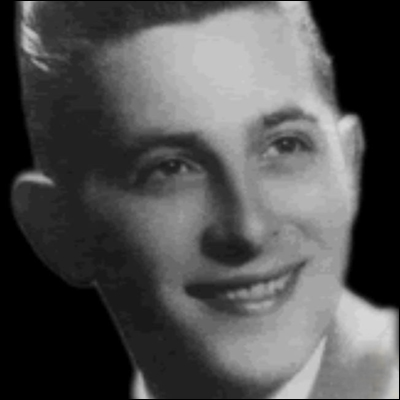
Image Credit: http://www.todotango.com/creadores/ficha/107/Francisco-Lomuto

PLAYLIST:

  • Buenos Aires, the name a reference to the capital of Argentina and the home of tango; a tango recorded by Francisco Lomuto on 15 April 1930, with music composed by Manuel Jovés in 1923 and lyrics by Manuel Romero.
  • Has Muerto Para Mi, meaning ‘You Have Died For Me’; a tango recorded by Francisco Lomuto on 16 September 1930, with music composed by Francisco Lomuto, lyrics by Carlos Pesce and sung by Príncipe Azul.
  • A Su Memoria, meaning ‘To Your Memory’; a vals recorded by Francisco Lomuto on 1 October 1931,with music composed by Antonio Sureda first recorded in 1927, lyrics by Homero Manzi and sung in duet by Alberto Hilarion Acuña and Fernando Díaz.
  • Congojas Que Matan, meaning ‘Grief That Kills’; a vals recorded by Francisco Lomuto on 24 September 1931, with music composed by Pedro Auteri, lyrics by Domingo Rosa and sung by Alberto Hilarion Acuña and Fernando Díaz.
  • Puerto Nuevo, meaning ‘New Port’; a tango recorded by Francisco Lomuto on 22 November 1933, with music composed by Teófilo Lespés, lyrics by Carlos Pesce and sung by Fernando Díaz.
  • Caminito, meaning ‘Little Walkway’; a tango recorded by Francisco Lomuto on 16 June 1935, with music composed by Juan de Dios Filiberto in 1926, lyrics by Gabino Coria Peñaloza and sung by Jorge Omar and Cerry Brian.
  • Noche De Ronda, meaning ‘Night Watch’; a vals recorded by Francisco Lomuto on 28 May 1937 music and lyrics by María Teresa Lara.
  • Idolatría, meaning ‘Idolatry’; a valsecito criollo recorded by Francisco Lomuto on 7 July 1937, with music composed by Oscar Napolitano, lyrics by Nolo López and sung by Jorge Omar.
  • Madreselva, meaning ‘Honeysuckle’; a tango recorded by Francisco Lomuto on 24 August 1938, with music composed by Francisco Canaro in 1930, lyrics by Luis César Amadori and sung by Jorge Omar.
  • Otra Vez, meaning ‘Another Time’; a tango recorded by Francisco Lomuto on 9 June 1938 with music composed by Jorge Fernández, lyrics by José María Contursi and sung by Jorge Omar.
  • No Hay Tierra Como La Mía, meaning ‘There Is No Land Like Mine’; a milonga recorded by Francisco Lomuto on 8 August 1938, with music composed by Charlo in 1939, lyrics by Enrique Cadícamo and sung by Fernando Díaz.
  • Parque Patricios, the name a reference to a suburb in the south of Buenos Aires; a milonga recorded by Francisco Lomuto on 27 June 1941, with music composed by Antonio Radicci first recorded in 1940, lyrics by Francisco Laino and sung by Fernando Díaz.
  • Catamarca, the name a reference to a western province of Argentina; a tango recorded by Francisco Lomuto on 11 May 1943, with music composed by Eduardo Arolas, first recorded in 1940 and lyrics by Jesús Fernández Blanco.
  • Un Silbido En La Noche, meaning ‘A Whistling In The Night’; a tango recorded by Francisco Lomuto on 29 June 1943, with music composed by Pedro Sassone, lyrics by José Sassone and sung by Carlos Galarce.
  • Jugando Jugando, meaning ‘Playing Playing’; a vals recorded by Francisco Lomuto on 13 December 1944, with music composed by Miguel Caló, lyrics by Oscar Rubens and sung by Carlos Galarce.
  • Un Vals, meaning ‘A Vals’; a vals recorded by Francisco Lomuto on 11 May 1944, with music composed by Horacio Salgán, first recorded in 1943, lyrics by Oscar Rubens and sung by Carlos Galarce.
  • Tarde, meaning ‘Later’; a tango recorded by Francisco Lomuto on 27 October 1950, music and lyrics by José Canet in 1947, and sung by Miguel Montero.
  • Alma En Pena, meaning ‘Soul In Sorrow’; a tango recorded by Francisco Lomuto on 27 October 1950, with music composed by Anselmo A Aieta in 1928, lyrics by Francisco García Jiménez and sung by Alberto Rivera.

Frida Koltyar, DJ

2017-11-23 - Frida Koltyar

The interview with Sydney DJ Frida Koltyar concludes with her talking about her approach to putting together a tanda, and the music of orquesta leader Francisco Lomuto will feature. That’s Tango Capital, Sunday evening from 7:00pm to 8:00pm:
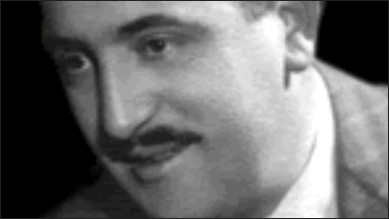
 

Image: Frida Koltyar, DJing the Saturday milonga at TISP 2016.

PLAYLIST:

  • Si Soy Así, meaning ‘Yes That’s How I Am’; a tango recorded by Francisco Lomuto on 14 June 1933, with music composed by Francisco Lomuto in the same year, lyrics by Antonio Botta and sung by Fernando Díaz.
  • Varón, meaning ‘Male’; a milonga recorded by Francisco Lomuto on 17 February 1939, with music composed by Francisco Lomuto, lyrics by Celedonio Flores, and sung by Jorge Omar.
  • Tango Amigo, meaning ‘Tango Friend’; a tango recorded by Francisco Lomuto on 29 August 1939, with music composed by Francisco Lomuto, first recorded in 1930, lyrics by Manuel Romero, and sung by Fernando Díaz.
  • Muñequita, meaning ‘Little Doll’; a tango recorded by Francisco Lomuto on 6 October 1949, with music composed by Francisco Lomuto in 1918, lyrics by Adolfo Carlos Herschel, and sung by Miguel Montero.
  • Felicia from the ‘Homenaje de Juan D’Arienzo’ release, the name a reference to a woman’s name; a tango recorded by Los Solistas de D’Arienzo in the 1970s, music composed by Enrique Saborido, first recorded in 1927, lyrics by Carlos Mauricio Pacheco and sung by Alberto Echagüe.
  • Paciencia from the ‘Homenaje de Juan D’Arienzo’ release, meaning ‘Patience’; a tango recorded by Los Solistas de D’Arienzo in the 1970s, with music composed by Juan D’Arienzo in 1937, lyrics by Francisco Gorrindo ,and sung by Walter Gutiérrez.
  • El Tortazo from the ‘Los Solistas de D’Arienzo’ release; a milonga recorded by Orquesta Juan D’Arienzo in 1988, with music composed by José Razzano, first recorded in 1945, and lyrics by Enrique Maroni.
  • La Vi Llegar, meaning ‘I Saw Her Come’; a tango recorded by Miguel Caló on 19 April 1944, with music composed by Enrique Francini in 1944, lyrics by Julián Centeya, and sung by Raúl Iriarte.
  • La Noche Que Te Fuiste, meaning ‘The Night You Left’; a tango recorded by Miguel Caló on 20 February 1945, with music composed by Osmar Maderna in 1945, lyrics by José María Contursi, and sung by Raúl Iriarte.
  • En Tus Ojos De Cielo, meaning ‘In Your Eyes Of Heaven’; a tango recorded by Miguel Caló; on 10 July 1944 with music composed by Osmar Maderna lyrics by Luis Rubistein and sung by  Raúl Berón.
  • Cada Día Te Extraño Más, meaning ‘Every Day I Miss You More’; a tango recorded by Miguel Caló on 16 September 1943, with music composed by Armando Pontier in 1943, lyrics by Carlos Bahr, and sung by Raúl Iriarte.

Rodolfo Lesica – (another) bad boy baritone

2017-11-12 - Rodolfo Lesica

Bad boy baritone Rodolfo Lesica singing with Héctor Varela is the focus of this edition of Tango Capital, Sunday evening from 7:00pm to 8:00pm:
Image Credit: http://www.todotango.com/creadores/ficha/1285/Rodolfo-Lesica


PLAYLIST:

  • Como Tu Cariño, meaning ‘Like Your Sweetheart’; a vals recorded by Héctor Varela on 25 November 1954, with music composed by Alberto Nery, lyrics by Abel Aznar and sung by Argentino Ledesma and Rodolfo Lesica.
  • Trovador Mazorquero, meaning ‘Faithful Minstrel’; a vals recorded by Héctor Varela on 29 March 1955, with music composed by Juan Carlos Howard, first recorded in 1955, lyrics by Enrique Cadícamo and sung by Argentino Ledesma and Rodolfo Lesica.
  • A Media Luz, meaning ‘At Half Light’, the name a reference to evening twilight; a tango recorded by Héctor Varela on 1 November 1955 with music composed by Edgardo Donato in 1925, lyrics by Carlos César Lenzi and sung by Rodolfo Lesica.
  • Olvidame, meaning ‘Forget Me’; a arreglo en tango recorded by Héctor Varela on 22 July 1955, with music composed by Ary Barroso, lyrics by Horacio Sanguinetti and Ary Barroso, and sung by Rodolfo Lesica.
  • Historia De Un Amor, meaning ‘Story Of A Love’; a tango recorded by Héctor Varela on 13 March 1956, music and lyrics by Carlos Eleta Almarán and sung by Rodolfo Lesica.
  • Un Bailongo, meaning ‘A Dance’; a milonga recorded by Héctor Varela on 4 December 1950, music and lyrics by Carlos Gardel and José Razzano in 1922, and sung by Armando Laborde and Rodolfo Lesica.
  • Si Supiera Que La Extraño, meaning ‘If I Knew That I Miss Her’; a tango recorded by Héctor Varela on 30 November 1956, with music composed by Héctor Varela, first recorded in 1945, lyrics by Carlos Waiss and sung by Rodolfo Lesica.
  • Y Todavia Te Quiero, meaning ‘And I Want You Always’; a tango recorded by Héctor Varela on 24 July 1956; with music composed by Luciano Leocata in 1956, lyrics by Abel Aznar and sung by Rodolfo Lesica.
  • Gota De Lluvia, meaning ‘Raindrop’; a vals recorded by Héctor Varela on 1 August 1956, with music composed by Félix Lipesker, first recorded in 1939, lyrics by Homero Manzi and sung by Argentino Ledesma and Rodolfo Lesica.
  • Rosa Mia, meaning ‘My rose’; a vals recorded by Héctor Varela on 30 November 1956, with music composed by Héctor Gentile, lyrics by Ángel Di Rosa, and sung by Argentino Ledesma and Rodolfo Lesica.
  • No Me Hablen De Ella, meaning ‘Do Not Talk To Me About Her’; a tango recorded by Héctor Varela on 12 September 1957, music and lyrics by Tito Rossi and Jorge Moreira, and sung by Rodolfo Lesica.
  • Y Decime Qué Pasó, meaning ‘And Tell Me What Happened’; a tango recorded by Héctor Varela on 13 May 1957, with music composed by Carlos Luis Baroli in 1940, lyrics by Carlos Marín and sung by Rodolfo Lesica.
  • Maldonado, the name a reference to a stream in Buenos Aires; a tango recorded by Osvaldo Fresedo on 7 February 1928, with music composed by Luis Nicholas Visca, lyrics by Luis Rubistein and sung by Ernesto Famá.

Why Maldonado? Check out the earlier post asking “¿Dónde Está Santiago Maldonado?

Tango OZ – EP Launch

Tango OZ launched its second CD last month, titled “Buenos Aires”, and this week includes a taste of their music. Then there is a look at the life of a third baritone of tango, the singer Rodolfo Lesica, and Sydney DJ Frida Koltyar will talk about her approach to DJing. That’s Tango Capital, Sunday evening from 7:00pm to 8:00pm:

2017-11-10 - Tango OZ CD Launch

Image: “Buenos Aires”, the new CD from Tango OZ, recorded 2016.

PLAYLIST:

  • Risque, the name a reference to the French word, Risqué; a tango recorded by Héctor Varela on 22 July 1955, sung by Rodolfo Lesica.
  • Un Bailongo, meaning ‘A Dance’; a milonga recorded by Héctor Varela with Rodolfo Lesica and Armando Laborde singing on 24 October 1950, music and lyrics by Carlos Gardel and José Razzano first recorded in 1922.
  • Como Tu Cariño, meaning ‘Like Your Sweetheart’; a vals recorded by Héctor Varela on 25 November 1954, with music composed by Alberto Nery, lyrics by Abel Aznar, and sung by Rodolfo Lesica and Argentino Ledesma.
  • Historia De Un Amor, meaning ‘Story Of A Love’; a tango recorded by Héctor Varela on 13 March 1956, music and lyrics by Carlos Eleta Almarán and sung by Rodolfo Lesica.
  • Danzarin from the ‘Buenos Aires’ release in 2016 by Tango OZ, the name a reference to a male dancer; a tango with the music composed by Julián Plaza and first recorded in 1958.
  • Don Agustín Bardi from the ‘Buenos Aires’ release in 2016 by Tango OZ, the name a reference to the tango pianist and composer of that name; a tango with the music composed by Horacio Salgán and first recorded in 1950.
  • Milonguero Viejo from the ‘Buenos Aires’ release in 2016 by Tango OZ, meaning ‘Old Man of Tango’, the name a reference to Osvaldo Fresedo; a tango with music composed by Carlos Di Sarli in 1926 and lyrics by Enrique Carreta Sotelo.
  • En Tus Ojos De Cielo, meaning ‘In Your Eyes Of Heaven’; a tango recorded by Miguel Caló; on 10 July 1944 with music composed by Osmar Maderna, lyrics by Luis Rubistein, and sung by Raúl Berón.
  • Mistonguero from the ‘Buenos Aires’ release in 2016 from Tango OZ; a tango with music composed by Victor Lavallén.

José Rotulo – the lyrics

2017-11-02 - Jose Rotulo - AMRAP

Music inspired by the charming lyrics of Uruguayan writer José Rotulo: that’s Tango Capital, Sunday evening from 7:00pm to 8:00pm:

Image Credit: http://www.todotango.com/creadores/ficha/1007/Jose-Rotulo

PLAYLIST: 

  • Firuletear de Bandoneón, the name a reference to the playing of variations on the bandoneón, the music that will take the singer’s message to his love; a tango recorded by Pedro Laurenz on 2 December 1942, with music composed by Ángel Domínguez, lyrics by José Rótulo and sung by  Juan Carlos Casas.
  • Como El Hornero, meaning ‘Like The Hornero’, the name a reference to the rufous hornero, the national bird of Argentina and Uruguay, and one of a group of monogamous birds common across South America and known as ovenbirds because they build an enclosed nest from clay to protect their young; a tango recorded by Rodolpho Biagi on 11 August 1944, with music composed by Manuel Sucher, lyrics by José Rótulo and sung by Alberto Amor.
  • Pregonera, the name a reference to a person (female in this case) who inaugurates an event; a tango recorded by Edgardo Donato on 26 March 1945, with music composed by Alfredo De Angelis, lyrics by José Rótulo and sung by Alberto Podestá.
  • Sirva Otra Copa, meaning ‘Serve Another Cup’; a tango recorded by Alfredo De Angelis on 13 December 1945, with music composed by Arturo Gallucci, lyrics by José Rótulo and sung by Carlos Dante.
  • Yo Tambien Rei, meaning ‘I Also Laughed’; a tango recorded by Alfredo De Angelis on 20 March 1947, with music composed by Carlos Cubria and Héctor Gentile, lyrics by José Rótulo and sung by Julio Martel.
  • Remolino, the name a reference to an eddy, or a whirlpool, a metaphor for the singer’s madness at losing his love; a tango recorded by Francini-Pontier on 17 May 1946, with music composed by Alfredo De Angelis, lyrics by José Rótulo and sung by Raúl Berón.
  • Como Tu, meaning ‘Like You’; a tango recorded by Francini-Pontier on 8 April1948 with music composed by Ángel Domínguez first recorded in 1946, lyrics by José Rótulo and sung by Raúl Berón.
  • Pastora, meaning ‘Shepherdess’; a tango recorded by Alfredo De Angelis on 16 April 1948, with music composed by Alfredo De Angelis in 1947, lyrics by José Rótulo and sung by Carlos Dante and Julio Martel.
  • Mi Cariñito, meaning ‘My Love’; a vals recorded by Alfredo De Angelis on 12 May 1949, with music composed by Alfredo De Angelis, lyrics by José Rótulo and sung by Carlos Dante and Julio Martel.
  • Nací En Pompeya, meaning ‘I was Born in Pompeya’, the name a reference to the suburb of Pompeya (meaning Pompeii) in Buenos Aires; a tango recorded by Héctor Artola on 24 May 1949, with music composed by Natty Paredes, lyrics by José Rótulo and sung by Alberto Marino.
  • Siempre Te Nombra, meaning ‘I Always Name You’; a tango recorded by Florindo Sassone; on 13 November 1947 with music composed by Florindo Cassone and Javier Mazzea lyrics by José Rótulo and sung by Jorge Casal.
  • Un Cuadro Y Una Canción, meaning ‘A Picture And A Song’; a tango recorded by Florindo Sassone on 29 November 1950, with music composed by Arturo Gallucci and Florindo Sassone, lyrics by José Rótulo and sung by Raúl Lavalle.
  • Como Las Margaritas, meaning ‘Like The Daisies’; a vals recorded by Alfredo Gobbi on 3 April 1952, with music composed by Héctor Gentile, lyrics by José Rótulo and sung by Jorge Maciel and Héctor Coral.
  • Verdad Que No, meaning ‘Not Really’; a tango recorded by Alfredo De Angelis on 23 December 1952, with music composed by Juan Miguel Rodríguez, lyrics by José Rótulo and sung by Carlos Dante.
  • Igual Que Dios, meaning ‘Like A God’; a tango recorded by Alfredo De Angelis on 1 March 1955, with music composed by Antonio Rodio lyrics by José Rótulo and sung by Oscar Larroca.
  • Mi Promesa, meaning ‘My Promise’; a tango recorded by Francisco Canaro on 16 October 1956, with music composed by Alfredo De Angelis and José Rótulo, lyrics by José Rótulo and sung by Juan Carlos Rolón and Guillermo Rico.
  • Nadi Quiso Mas, meaning ‘Nobody Wanted More’; a tango recorded by Alfredo De Angelis on 5 November 1958, with music composed by Alfredo De Angelis and José Rótulo, lyrics by José Rótulo and sung by Juan Carlos Godoy.

Australian Tango Orquesta


2017-10-26 - ATO.jpg

The Australian Tango Orquesta presented the first 4-bandoneón line-up in Australia, and it was not to be missed. A report on a wonderful afternoon of music with the Orquesta accompanies a look at the life of lyricist José Rotulo, and the interview with Chloe Williamson and Stephen Cutriss of Mendoza Tango Quartet will conclude. That’s Tango Capital, Sunday evening from 7:00pm to 8:00pm:

Image: The Australian Tango Orquesta, 30 September 2017.

PLAYLIST:

  • Como El Hornero, meaning ‘Like An Hornero’, the name a reference to the rufous hornero, the national bird of Argentina and Uruguay, and one of a group of monogamous birds common across South America and known as ovenbirds because they build an enclosed nest from clay to protect their young; a tango recorded by Pedro Laurenz on 14 January 1944, with music composed by Manuel Sucher, lyrics by José Rotuló and sung by Alberto Podestá.
  • Repique del corazón, meaning ‘Ring Of The Heart’; a milonga recorded by Edgardo Donato on 18 February 1941 with music composed by Osvaldo Donato, lyrics by José Rotuló and sung by Horacio Lagos and Romeo Gavioli.
  • Cara Negra, meaning ‘Black Face; a milonga recorded by Edgardo Donato on 11 March 1942, with music composed by José Rotuló, lyrics by Edgardo Donato and sung by Horacio Lagos.
  • Remolino, the name a reference to an eddy, or a whirlpool; a tango recorded by Alfredo De Angelis on 24 May 1946, with music composed by Alfredo De Angelis lyrics by José Rotuló and sung by Carlos Dante and Julio Martel.
  • Canaro En Paris from the ‘Sexteto Unitango’ release in 2009, meaning ‘Canaro In Paris’, the name a reference to the orquesta leader visiting Paris with his orquesta in 1926-1927; a tango released in 2009 by Sexteto Unitango on their self-titled CD, music composed by Alejandro Scarpino and Juan Caldarella, first recorded in 1927 and lyrics by José Antonio Scarpino.
  • Este Es El Rey from the ‘Barracas Al Fondo’ release in 2010, meaning ‘This Is The King’; a tango released by Sexteto Unitango in 2010 on their CD Barracas Al Fondo,  music composed by Carlos Ángel Lázzari, Manuel Antonio Caballero and Juan Polito, and first recorded in 1971.
  • Mi Dolor from the ‘Un Noche En La Milonga’ release in 2013, meaning ‘My Sadness’; a tango recorded by Orquesta Misterios Buenos Aires in 2013 with music composed by Carlos Marcucci, first recorded in 1926, lyrics by Manuel Meaños and here sung by Ariel Prat (by invitation).
  • De Tal Palo from the ‘De Menor a Mayor’ release in 2015, meaning ‘Like Father’; a tango recorded by Trio Lavallen-Estigarribia-Carbarcos in 2015 with music composed by Leopoldo Federico in 2006.
  • Taquito Militar from the ‘Tangos’ release in 2000, meaning ‘Military Tactics’; a milonga recorded by Nuevo Quinteto Real in 2000 with music composed by Mariano Mores in 1952.

Raúl Iriarte – the singing

A longitudinal slice through coloratura baritone Raúl Iriarte’s recordings with Miguel Caló forms the backbone of the next edition.  That’s Tango Capital, Sunday evening from 7:00pm to 8:00pm:

2017-10-xx - Raul Iriarte

Image Credit: http://www.todotango.com/english/artists/info/844/Raul-Iriarte

PLAYLIST:

  • Luna Del Plata, meaning ‘Silver Moon’; a vals recorded by Miguel Caló on 19 October 1943, music composed by Osmar Maderna, lyrics by Miguel Caló and sung by Raúl Iriarte.
  • Marión, the name a reference to a woman’s name; a tango recorded by Miguel Caló on 27 December 1943, music and lyrics by Luis Rubistein in 1943 and sung by Raúl Iriarte.
  • Cada día Te Extraño Más, meaning ‘Every Day I Miss You More’; a tango recorded by Miguel Caló on 16 September 1943 with music composed by Armando Pontier in 1943 lyrics by Carlos Bahr and sung by  Raúl Iriarte.
  • Verdemar, meaning ‘Seagreen’, the name a reference to a woman’s sea-green eyes; a tango recorded by Miguel Caló on 28 September 1943, with music composed by Carlos Di Sarli in 1943, lyrics by José María Contursi and sung by Raúl Iriarte.
  • El Desafío, meaning ‘The Challenge’; a milonga recorded by Miguel Caló on 9 March 1944, with music composed by René Ruiz, lyrics by Gualberto Márquez and sung by Raúl Iriarte (the second voice is unknown).
  • Si Yo Pudiera Comprender, meaning ‘If I Could Understand’; a tango recorded by Miguel Caló on 28 January 1944, with music composed by Miguel Caló, lyrics by Oscar Rubens and sung by Raúl Iriarte.
  • La Vi Llegar, meaning ‘I Saw Her Arrive’; a tango recorded by Miguel Caló on 19 April 1944, with music composed by Enrique Francini in 1944, lyrics by Julián Centeya and sung by Raúl Iriarte.
  • Bohardilla, meaning ‘Garret’; a tango recorded by Miguel Caló on 19 April 1944, with music composed by Rodolfo Blasi, lyrics by Horacio Sanguinetti and sung by Raúl Iriarte.
  • Trenzas, meaning ‘Braids’, the name a reference to plaits of hair; a tango recorded by Miguel Caló on 20 February 1945, with music composed by Armando Pontier in 1944, lyrics by Homero Expósito and sung by Raúl Iriarte.
  • El Mismo Dolor, meaning ‘The Same Sorrow’; a vals recorded by Miguel Caló on 15 November 1945, with music composed by Enrique Francini, lyrics by Carlos Bahr and sung by Raúl Iriarte.
  • No Te Olvides De Mi, Corazón, meaning ‘Do Not Forget About Me, Heart’; a vals recorded by Miguel Caló on 5 July 1945, music and lyrics by Domingo Fabian, first recorded in 1944 and sung by Raúl Iriarte.
  • Tarde Gris, meaning ‘Grey Afternoon’; a tango recorded by Miguel Caló on 12 December 1946, with music composed by Juan Bautista Guido in 1930, lyrics by Luis Rubistein and sung by Raúl Iriarte.
  • Trapitos, meaning ‘Little Secrets’; a milonga recorded by Miguel Caló on 15 March 1946, music and lyrics by José Canet and sung by Raúl Iriarte.
  • Loco Turbión, meaning ‘Mad Downpour’; a tango recorded by Miguel Caló on 15 March 1946, with music composed by Vicente Spina, lyrics by Roberto Miro and sung by Raúl Iriarte.
  • Flor De Lino, meaning ‘Flax Flower’; a vals recorded by Miguel Caló on 3 December 1946, with music composed by Héctor Stamponi in 1947, lyrics by Homero Expósito and sung by Raúl Iriarte.
  • Los Despojos, meaning ‘The Spoils; The Winnings’; a tango recorded by Miguel Caló on 9 May 1947, with music composed by José Dames, lyrics by Horacio Sanguinetti and sung by Raúl Iriarte.
  • Rebeldía, meaning ‘Rebellion’; a tango recorded by Miguel Caló on 21 January 1947, with music composed by Roberto Nievas Blanco in 1946, lyrics by Oscar Rubens and sung by Raúl Iriarte.
  • Soledad, La De Barracas, meaning ‘Loneliness, She Of Barracas’; a tango recorded by Miguel Caló on 5 July 1945, with music composed by Roberto Garza in 1945, lyrics by Carlos Bahr and sung by Raúl Iriarte.