

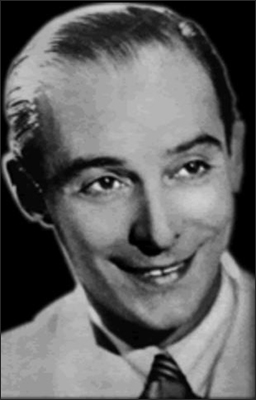
Elvino Vardaro – the music


Last week fea2017-06-23 - Music - Elvino Vardarotured the violinist Elvino Vardaro and recordings of him playing with Orquesta Típica Victor, Osvaldo Fresedo, and Carlos Di Sarli will be the focus of this week’s music edition of Tango Capital, Sunday evening from 7:00pm to 8:00pm:

Image Credit: http://www.todotango.com/creadores/ficha/131/Elvino-Vardaro

PLAYLIST:

  • Filo Misho, the name a reference to a scam – selling a machine that makes money ; a tango recorded by Orquesta Típica Victor on 8 May 1930.
  • El Chamuyo, meaning ‘The Conversation’ (from lunfardo); a tango recorded by Orquesta Típica Victor on 26 June 1930, with music composed by Francisco Canaro, first recorded in 1918.
  • Lunes, meaning ‘Monday’ ; a tango recorded by Orquesta Típica Victor on 9 April 1930, with music composed by José Luis Padula, first recorded in 1917, with lyrics by Francisco García Jiménez.
  • Clavel Del Aire, meaning ‘Carnation Of The Air’ ; a tango recorded by Orquesta Típica Victor on 14 August 1937, with music composed by Juan de Dios Filiberto in 1930, with lyrics by Fernando Silva Valdés.
  • Quinta Edición, meaning ‘Fifth Edition’ ; a tango recorded by Orquesta Típica Victor on 24 February 1937, with music composed by Sebastián Piana, with lyrics by Homero Manzi.
  • Tu Vida Es Mi Vida, meaning ‘Your Life Is My Life’ ; a tango recorded by Orquesta Típica Victor on 28 September 1937, with music composed by Alfredo Malerba, with lyrics by Rodolfo Sciammarella.
  • Derecho Viejo, meaning ‘Directly’ (from lunfardo); a tango recorded by Osvaldo Fresedo on 30 December 1941, with music composed by Eduardo Arolas, first recorded in 1917?.
  • Mariposita, meaning ‘Little Butterfly’ ; a tango recorded by Osvaldo Fresedo on 19 June 1941, with music composed by Anselmo A Aieta in 1941, with lyrics by Francisco García Jiménez.
  • Ronda De Ases, meaning ‘Hand of Aces’ ; a tango recorded by Osvaldo Fresedo on 12 November 1942, with music composed by Osvaldo Fresedo in 1942, with lyrics by Homero Manzi, and sung by Oscar Serpa.
  • Manon, the name a reference to a Parisian woman of that name ; a tango recorded by Osvaldo Fresedo on 17 July 1942, with music composed by Arturo De Bassi, first recorded in 1932, with lyrics by Antonio Podestá, and sung by Oscar Serpa.
  • Sin Rabia Y Sin Pena, meaning ‘Without Anger An d Without Grief’ ; a tango recorded by Osvaldo Fresedo on 7 August 1942, with music composed by Antonio Rodio, with lyrics by Luis Rubistein, and sung by Oscar Serpa.
  • Cuando Muere Una Esperanza, meaning ‘When A Hope Dies’ ; a tango recorded by Carlos Di Sarli on 2 November 1956, with music composed by Arturo Gallucci, with lyrics by Julio Camilloni, and sung by Jorge Durán.
  • Viviani; a tango recorded by Carlos Di Sarli on 19 December 1956, with music composed by Roberto Firpo, first recorded in 1920.
  • A La Luz Del Candil, meaning ‘By Candlelight’ ; a tango recorded by Carlos Di Sarli on 27 Deptember 1956, with music composed by Carlos Vicente Geroni Flores in 1927, with lyrics by Julio Plácido Navarrine, and sung by Jorge Durán.
  • Champagne Tango, meaning ‘Champagne Tango’ ; a tango recorded by Carlos Di Sarli on November 1958, with music composed by Manuel Gregorio Aróztegui in 1914.
  • El Abrojo, meaning ‘The Burr’ ; a tango recorded by Carlos Di Sarli on November 1958, with music composed by Agustín Bardi.
  • Una Fija, meaning ‘A Sure Thing’ (from lunfardo); a tango recorded by Carlos Di Sarli on November 1958, with music composed by Ángel Villoldo, first recorded in 1912, with lyrics by Carlos Pesce and Antonio Polito.
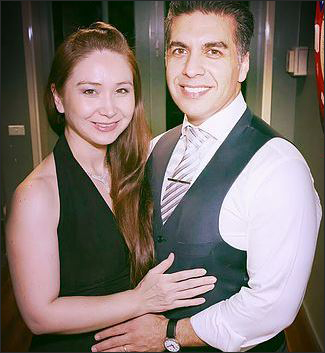
Can tango help Parkinson’s Disease?


2017-06-14 - Rina Sawaya & partner NadimA feature on Elvino Vardaro leads off, and then Melbourne tango teacher Rina Sawaya discusses her experience of a study looking at tango as an intervention in Parkinson’s Disease. That’s Tango Capital, Sunday evening from 7:00pm to 8:00pm:
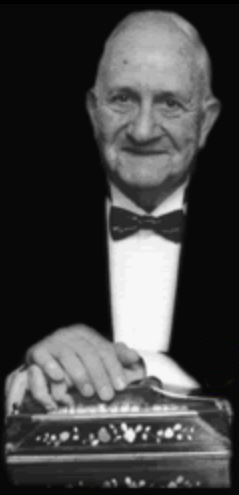
And for further information on dance and Parkinson’s Disease, take a look at  http://ausdance.org.au/articles/details/dance-for-parkinsons-in-australia

Image Credit: https://www.tangoesencia.com.au/tango

PLAYLIST:

  • Bahia Blanca, the name a reference to Di Sarli’s home town of Bahia Blanca, on the bay of the same name on the south side of Buenos Aires province ; a tango recorded by Carlos Di Sarli on 21 November 1957, with music composed by Carlos Di Sarli.
  • Dominio, meaning ‘Control’; a tango recorded by Orquesta Típica Victor on 17 December 1928, with music composed by Elviro Vardaro, and lyrics by Luis Rubistein.
  • Mi Refugio, meaning ‘My Refuge’; a tango recorded by Adolfo Carabelli on 4 September 1931, with music composed by Juan Carlos Cobián, first recorded in 1922, with lyrics by Pedro Nuna Cordóba, and sung by Alberto Gómez.
  • Te llama mi violín, meaning ‘My Violin Calls To You’; a tango recorded by Osvaldo Fresedo on 27 November 1942, with music composed by Elviro Vardaro, with lyrics by Cátulo Castillo, and sung by Oscar Serpa.
  • Miedo, meaning ‘Fear’; a concierto recorded by Astor Piazzolla in 1957, with music composed by Elvino Vardaro and Antonio Oscar Arona, with lyrics by Francisco García Jiménez.
  • Adios Noniño , the name a reference to Astor Piazzolla’s father, in memory after his death ; a concierto recorded by Astor Piazzolla in 1960, with music composed by Astor Piazzolla, with lyrics by Francisco García Jiménez.
  • Dos Fracasos, meaning ‘Two Failures’; a tango recorded by Miguel Caló on 31 July 1941, with music composed by Miguel Caló, with lyrics by Homero Expósito, and sung by Alberto Podestá.
  • Marión, a reference to a Parisian woman of that name; a tango recorded by Miguel Caló on 27 December 1943, music and lyrics by Luis Rubistein in 1943, and sung by Raúl Iriate.
  • Un Infierno, meaning ‘A Hell’; a tango recorded by Miguel Caló on 5 May 1954, with music composed by Francisco Rotundo in 1953, with lyrics by Reinaldo Yiso, and sung by Alberto Podestá.

Domingo Federico – the music

2017-06-08 - Music - Domingo FedericoLast week featured Domingo Federico playing with several orquestas at various stages of his career, but his own orquesta will be the focus on this week’s music edition of Tango Capital, Sunday evening from 7:00pm to 8:00pm:
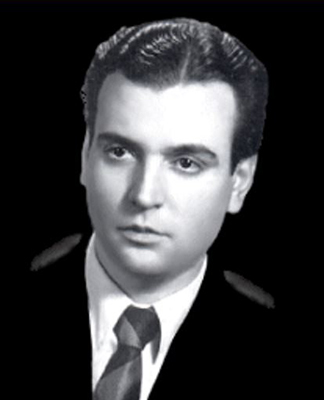


Image Credit: http://www.todotango.com/creadores/ficha/112/Domingo-Federico

PLAYLIST:

  • Y Así Nació Este Tango, meaning ‘And Tango Was Born Like This’; a tango recorded by Domingo Federico on 12 September 1944, with music composed by Isaac Garcés, with lyrics by Isusi, and sung by Carlos Vidal.
  • Ella Me Dio Esta Pena, meaning ‘She Gave Me This Sorrow’; a tango recorded by Domingo Federico on 27 December 1944, with music composed by Enrique Cantore, with lyrics by Manuel Enrique Ferradás Campos, and sung by Carlos Vidal.
  • Tu Melodia, meaning ‘Your Melody’; a tango recorded by Domingo Federico on 27 December 1944, with music composed by Alberto Suárez Villanueva, with lyrics by Oscar Rubenstein, and sung by Carlos Vidal.
  • A Martin Fierro, the name a reference to the gaucho protagonist of an immensely popular Argentine epic poem written by José Hernández in the 1870s; a tango recorded by Domingo Federico on 22 February 1945, with music composed by Domingo Federico and Francisco Federico, first recorded in 1943.
  • Futuro, meaning ‘Future’; a tango recorded by Domingo Federico on 19 June 1945, with music composed by Francisco Federico.
  • Dejame Volver Para Mi Pueblo, meaning ‘Let Me Return To My Country Town’; a tango recorded by Domingo Federico on 1945, with music composed by Domingo Federico and Francisco Federico, with lyrics by Homero Expósito, and sung by Carlos Vidal.
  • Yo, meaning ‘I’; a tango recorded by Domingo Federico on 20 April 1945, music and lyrics by Juan José Guichandut , and sung by Carlos Vidal.
  • Esa Noche, meaning ‘That Night’; a vals recorded by Domingo Federico on 22 July 1946, with music composed by Tito Ribero, with lyrics by Carlos Waiss, and sung by Carlos Vidal and Oscar Larroca.
  • Mi Pobre Novia, meaning ‘My Poor Girlfriend’; a vals recorded by Domingo Federico on 20 October 1955, with music composed by Roberto Rufino, first recorded in 1953, with lyrics by Sara Rainer, and sung by Armando Moreno.
  • Tango Argentino, meaning ‘Argentine Tango’; a tango recorded by Domingo Federico on 20 March 1950, with music composed by Juan Félix Maglio in 1929, with lyrics by Alfredo Bigeschi, and sung by Mario Bustos.
  • Canto, meaning ‘Song’; a tango recorded by Domingo Federico on 23 March 1950, music and lyrics by Mario Battistella , first recorded in 1934, and sung by Horacio Roca.
  • Tristezas de la Calle Corrientes, meaning ‘Sorrows of Corrientes Street’; a tango recorded by Domingo Federico on 11 September 1952, with music composed by Domingo Federico and Francisco Federico in 1942, with lyrics by Homero Expósito, and sung by Carlos Valdez and an unidentified woman.
  • Charlemos, meaning ‘Let’s Talk’; a tango recorded by Domingo Federico on 29 June 1956, music and lyrics by Luis Rubistein in 1941, and sung by Dante Rossi.
  • Portero Suba Y Diga, meaning ‘Concierge, Go Up And Tell Her’; a tango recorded by Domingo Federico on 12 January 1960, with music composed by Eduardo De Labar in 1928, with lyrics by Luis César Amadori, and sung by Rubén Maciel.
  • Tus Ojos Me Aprisionan, meaning ‘Your Eyes Imprison Me’; a tango recorded by Domingo Federico on 12 January 1960, with music composed by Alex Schneider, with lyrics by Norbert Blesio, and sung by Rubén Sánchez.
  • Mansa; a tango recorded by Domingo Federico on 1969, with music composed by Domingo Federico and Francisco Federico, with lyrics by Haydeé Irene Cardón, and sung by Carlos Vidal.

“Tango Lessons”

2017-05-31 - Tango Lessons

A review of the book “Tango Lessons” and a feature on Domingo Federico lead off, and then Sydney DJ Mohammad Ibrahim discusses how he constructs a tanda. That’s Tango Capital, Sunday evening from 7:00pm to 8:00pm:

Image: My copy of “Tango Lessons” by Alexandru Eugen Cristea, self-published, 2013. It is the policy of this program not to accept gifts or donations for review. Events and items for review such as this book are always purchased.

PLAYLIST:

  • La Culpa La Tuve Yo, meaning ‘The Blame I Had’; a tango recorded by Domingo Federico on 10 April 1944, with music composed by Andrés Domenech in 1944, with lyrics by Adolfo Rafael Avilé, and sung by Ignacio Díaz.
  • Al Compas Del Corazón, meaning ‘To The Beat Of The Heart’; a tango recorded by Miguel Caló on 29 April 1942, with music composed by Domingo Federico in 1942, with lyrics by Homero Expósito, and sung by Raul Beron.
  • Yuyo Verde, meaning ‘Green Herbage’; a tango recorded by Domingo Federico on 12 September 1944, with music composed by Domingo Federico in 1944, with lyrics by Homero Expósito, and sung by Carlos Vidal.
  • La Payanca, the name a reference to ; a tango recorded by  Quinteto Pirincho on 29 July 1964, with music composed by August Pedro Berto in 1926, with lyrics by Jesús Fernández Blanco.
  • Muy Suave, meaning ‘Very Smooth’; a tango recorded by Domingo Federico on 7 April 1954, with music composed by Hugo Gutiérrez, with lyrics by Homero Manzi.
  • Lloraras, Lloraras, meaning ‘You will cry, You will cry’; a vals recorded by Anibal Troilo on 10 August 1945, and sung by Floreal Ruiz.
  • Romance de Barrio, meaning ‘Romance of the Suburb’; a vals recorded by Anibal Troilo on 19 August 1947, with music composed by Anibal Troilo in 1947, with lyrics by Homero Manzi, and sung by Floreal Ruiz.
  • Palomita Blanca, meaning ‘White Dove’; a vals recorded by Anibal Troilo on 23 November 1944, with music composed by Anselmo A Aieta in 1929, with lyrics by Francisco García , and sung by Floreal Ruiz & Alberto Marino.
  • Saludos, meaning ‘Health’; an instrumental tango recorded by Domingo Federico on 10 April 1944, with music composed by Domingo Federico & Francisco Federico.


Alfredo Julio Gobbi (Gobbi jnr) – the music


2017-05-25 - Alfredo Julio GobbiAfter last week’s introduction to Alfredo Gobbi the younger, his music is the theme of this week’s music edition of Tango Capital, Sunday evening from 7:00pm to 8:00pm:
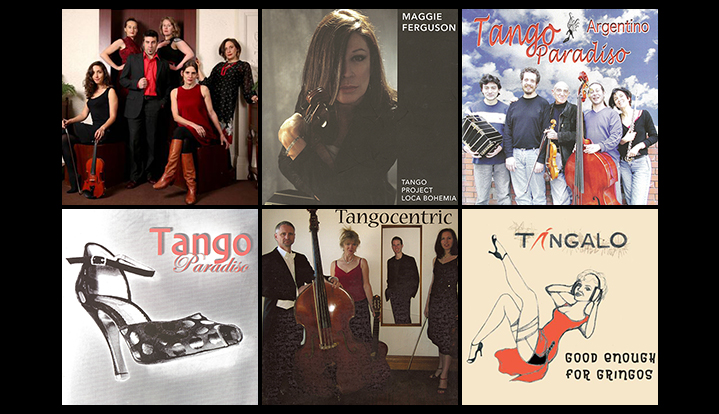
Image Credit: http://www.todotango.com/creadores/ficha/21/Alfredo-Gobbi

PLAYLIST:

  • Jueves, meaning ‘Thursday’; a tango recorded by Alfredo J Gobbi on 30 June 1947, with music composed by Rafael Rossi and Udelino Toranzo, first recorded in 1919.
  • La Viruta, the name a reference to a milonga ; a tango recorded by Alfredo J Gobbi on 16 May 1947, with music composed by Vicente Greco in 1912, with lyrics by Ernesto Temes.
  • Adoracion, meaning ‘Adoratión’; a vals recorded by Alfredo J Gobbi on 4 November 1947, with music composed by Ramón Argüello in 1947, with lyrics by Pedro Pidoto, and sung by Carlos Heredia and Hugo Soler.
  • La Enterriana; a vals recorded by Alfredo J Gobbi on 16 May 1947, music and lyrics by Alfredo Eusebio Gobbi , and sung by Carlos Heredia and Hugo Soler.
  • Amemonos; a vals recorded by Alfredo J Gobbi on 31 January 1948, with music composed by Carlos Montbrun Ocampo, with lyrics by Manuel Maria Flores, and sung by Carlos Heredia and Hugo Soler.
  • El Incendio, meaning ‘The Fire’; a tango recorded by Alfredo J Gobbi on 13 April 1948, with music composed by Arturo De Bassi, first recorded in 1911.
  • Pelele, meaning ‘Puppet’; a tango recorded by Alfredo J Gobbi on 18 April 1950, with music composed by Pedro Maffia, first recorded in 1923.
  • Independiente Club, the name a reference to a club ; a tango recorded by Alfredo J Gobbi on 8 September 1948, with music composed by Agustin Bardi.
  • La Catrera, meaning ‘The Bed’; a tango recorded by Alfredo J Gobbi on 26 April 1951, with music composed by Arturo De Bassi in 1908.
  • Nueve Puntos, meaning ‘Nine Points’; a tango recorded by Alfredo J Gobbi on 3 April 1952, with music composed by Francisco Canaro, first recorded in 1920.
  • Que Nadie Sepa Mi Sufrir, meaning ‘Let No One Know How I Suffer’; a vals recorded by Alfredo J Gobbi on 03 June 1955, with music composed by Ángel Cabral, first recorded in 1950, with lyrics by Enrique Dizeo, and sung by Alfredo del Río and Tito Landó.
  • El Solitario, meaning ‘The Recluse’; a vals recorded by Alfredo J Gobbi on 18 September 1956, music and lyrics by Leopoldo Díaz Vélez , first recorded in 1956, and sung by Alfredo del Río and Tito Landó.
  • Mensajera, meaning ‘Messenger’; a vals recorded by Alfredo J Gobbi on 16 April 1957, with music composed by Alfredo Julio Gobbi, with lyrics by Julio Camilloni, and sung by Tito Landó.
  • Tu Angustia Y Mi Dolor, meaning ‘Your Distress And My Pain’; a tango recorded by Alfredo J Gobbi on April 1953, with music composed by Alfredo Julio Gobbi, with lyrics by Julio Camilloni, and sung by Jorge Maciel.
  • Un Tango Para Chaplin, meaning ‘A Tango For Chaplin’; a tango recorded by Alfredo J Gobbi on 30 June 1955, with music composed by Alfredo Julio Gobbi, first recorded in 1955, with lyrics by Bartolomé Bernardo Salas, and sung by Alfredo del Río.
  • El Inquilino, meaning ‘The Tenant’; a milonga recorded by Alfredo J Gobbi on 16 July 1956, with music composed by Javier Mazzea, with lyrics by Carlos Lucero, and sung by Alfredo del Río.

Mohammad Ibrahim

2017-05-19 - Mohammad Ibrahim with Ann Smith at TISP 2016

This Sunday features some racing tango together with a look at Alfredo Gobbi the younger, and an interview with Sydney DJ Mohammad Ibrahim starts.

That’s Tango Capital, Sunday evening from 7:00pm to 8:00pm:

PLAYLIST:

  • El Andariego, meaning ‘The Walker’, a tango recorded by Alfredo J Gobbi, on 27 June 1951, with music composed by Alfredo J Gobbi.
  • A Mis Manos, meaning ‘To My Hands’, a milonga recorded by Alfredo J G, on 28 March 1955, with music composed by Alfredo J Gobbi in 1955, with lyrics by Julio Camilloni, and sung by Alfredo del Rio.
  • A Orlando Goñi, a reference to the tango pianist Orlando Goñi, a tango recorded by Alfredo J Gobbi, on 24 March 1949, with music composed by Alfredo J Gobbi.
  • Racing Club, a tango recorded by Alfredo J Gobbi, on 13 August 1949, with music composed by Vicente Greco, first recorded in 1916, with lyrics by Ernesto Temes.
  • Lunático, a reference to Gardel’s racehorse, a neotango recorded by Gotan Project in 2006, with music composed by Phillipe  Cohen Solal, Eduardo Makaroff, and Christoph H Müller.
  • Por Una Cabeza, meaning ‘By A Head’, a tango cancion recorded by Terig Tucci, on 19 March 1935, with music composed by Carlos Gardel in 1935, with lyrics by Alfredo Le Pera, and sung by Carlos Gardel.
  • Leguisamo Solo, a reference to the South American jockey Irineo Leguisamo, a tango recorded by Los Solista de Juan D’Arienzo, music and lyrics by Modesto Hugo Papávero  in 1925.
  • Negro Lindo, meaning ‘Black Beauty’, a tango recorded by Francisco Lomuto, on 18 October 1940, with music composed by Francisco Lomuto in 1940, and sung by Fernando Díaz.
  • El Engobbiao, a reference to Alfredo J Gobbi, a tango recorded by Alfredo J Gobbi, on 18 June 1957, with music composed by Eduardo Roviro.

Australian Tango

2017-05-15 - AU Tango CD covers

Last week Amy Lynch of La Busca discussed what is Australian Tango, so that’s the theme of this week’s music edition of Tango Capital, Sunday evening from 7:00pm to 8:00pm:

Mendoza Tango Quartet are: Stephen Cutriss (bandoneón), Chloe Ann Williamson (double bass), and originally Rebecca Karlen (violin) and John Reeves (piano) but since December 2016 Liz Young (violin), Daniel Rojas-Gonzales (piano) and Solange Lipcin (vocals). In 2018 Cara Tran took over piano.

And a further footnote on Australian tango… Los Jovenes del Tango played tango from Canberra from 2009 to 2011. The sextet played ‘Buenos Aires In The Southern Highlands’ among other events, but did not record. The musicians were: Simon Milman on bass, Valdis Thomann on accordian, Liena Lacey on Harp, Lathika Vithanage on violin, Lucy Carrigy-Ryan on Viola, and Natalya Tacheci on voice.

PLAYLIST:

  • Fugato, meaning ‘Escape’, a tango recorded by Tángalo in October 2013, with music composed by Owen Salome.
  • Las Aguas Tranquillas, meaning ‘The Calm Waters’, a tango recorded by Tángalo in October 2013, with music composed by Owen Salome.
  • El Patito Feo, meaning ‘The Ugly Duckling’, a milonga recorded by Tángalo in October 2013, with music composed by Owen Salome.
  • Milong del Cisne, meaning ‘Powder Puff Milonga’, a milonga recorded by Tángalo in October 2013, with music composed by Emily-Rose Sárkova.
  • Noche De Cristal, meaning ‘Night of Glass’, a tango recorded by La Busca in November 2016, with music composed by Amy Lynch, with lyrics by Juan Veron, and sung by Juan Veron.
  • Tierce De Tango, a tango recorded by TangoCentric in 2007, music and lyrics by Ann Palumbo , and sung by Ann Palumbo.
  • Anne-Maree De Tango, meaning ‘Ann-Maree’s Tango’, a tango recorded by TangoCentric in 2007, with music composed by Ann Palumbo.
  • Desde De Alma, meaning ‘From The Soul’, a vals recorded by TangoCentric in 2007, with music composed by Rosita Melo, first recorded in 1927, with lyrics by Victor Piuma Vélez and Homero Manzi.
  • Milonguero Viejo, meaning ‘Old Tango Dancer’, a tango recorded by Maggie Ferguson in August 2011, with music composed by Carlos Di Sarli in 1926, with lyrics by Enrique Carrera Sotelo.
  • La Cumparsita, meaning ‘The Little March’, a tango recorded by Maggie Ferguson in August 2011, with music composed by Pascual Contursi, Enrique Maroni, and Gerardo Matos Rodríguez in 1924, with lyrics by Gerardo Matos Rodríguez.
  • Milonga De Antaño, meaning ‘Milonga of Yesteryear’, a milonga recorded by Tángalo in October 2013, with music composed by Francisco Rofrano, first recorded in 1937, with lyrics by Elisardo Besada, and sung by Susie Bishop, Emily-Rose Sárkova, and Owen Salomé.
  • Nueve De Julio, meaning ‘9th of July’, a tango recorded by Tango Paradiso in December 2004, with music composed by José Luis Padula, first recorded in 1916, with lyrics by Lito Bayardo.
  • Orgullo Criollo, meaning ‘Native Argentinian Pride’, a tango recorded by Tango Paradiso in October 2006, with music composed by Pedro Laurenz and Julio De Caro, first recorded in 1928.
  • Malena, referring to a woman of that name, a tango recorded by  Tango Paradiso in December 2004, with music composed by Lucio Demare in 1942, with lyrics by Homero Manzi, and here sung by Marina Varney.

Who was Evaristo Carriego?


2017-05-17 - Calle Evaristo CarriegoWho was Evaristo Carriego? This Sunday takes a look at the most influential man in tango who had almost nothing to do with it, together with the final part of the interview with Amy Lynch and Juan Veron. That’s Tango Capital, Sunday evening from 7:00pm to 8:00pm:
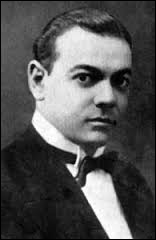
Image Credit: https://www.flickr.com/photos/candlelightandstars/4259859019/in/photolist-7uqTFa-8Dfsk5-gsiK3h-axpoiB-dgikKB-H3AzQ-gsjDwY-gsjDPw-9dPnTg-gsjf6D-9jCukh-52155o-5FRCeB-5FRCxM-55e8TZ-bfssSP-5v9Gbk-3femBm-q2Vgx3-nD6qTb-q2VguN-btxiGC-2XHsGo-btxiJY-3f9ZRn-q2Vgtq-5Xx3TS-CFnLZ-q2VgwS-2XHjX5-q2VgvE-q2VgwG-NvcoG-2XHqsL-2XCSdH-3feibb-7tLKJs-9Yq7af-99scyD-NvcwN-FkPNCj-oeqMYb-vHMJ8z-3feiym-4aQj1K-2XD3dV-3fehPE-Nvb6G-3fekdE-2bFVQG

Note: Evarista Carriego does have numerous landmarks named for him, including a street in Buenos Aires, but not (to my knowledge) a cat.

PLAYLIST:

  • A Evaristo Carriego, meaning ‘To Evaristo Carriego’, a tango recorded by Osvaldo Pugliese, on July 1969, with music composed by Eduardo Rovira.
  • Carriego, a reference to a person called Carriego, a tango recorded by Miguel Caló, on 5 January 1948, with music composed by Roberto Nievas Blanco, with lyrics by Julio Jorge Nelson, and sung by Roberto Arrieta.
  • A Evaristo Carriego, meaning ‘To Evaristo Carriego’, a tango recorded by Color Tango in 2007, with music composed by Eduardo Rovira, first recorded in 1969.
  • Al Mundo Le Falta Un Tornillo, meaning ‘The World Is Missing A Turn’, a tango recorded by Alfredo De Angelis, on 20 July 1959, with music composed by José María Aguilar in 1932, with lyrics by Enrique Cadícamo, and sung by Lalo Martel.
  • Cuando Me Entres A Fallar, meaning ‘When You Failed Me’, a tango recorded by Pedro Laurenz, on 25 June 1952, with music composed by José María Aguilar in 1940, with lyrics by Celedonio Flores, and sung by Alfredo Del Río.
  • Cuando Miran Tus Ojos, meaning ‘When They See Your Eyes’, a vals recorded by Adolfo Carabelli, on 6 May 1932, with music composed by José María Aguilar, with lyrics by Enrique Cadícamo, and sung by Luis Díaz.
  • Milonguera, meaning ‘Milonga dancer’, a tango recorded by Osvaldo Pugliese, on 14 July 1953, music and lyrics by José María Aguilar , first recorded in 1925, and sung by Juan Carlos Cobos.
  • Noche De Cristal, meaning ‘Crystal Night’, a tango recorded by La Busca in 2016, with music composed by Amy Lynch in 2016, with lyrics by Juan Beron, and sung by Juan Veron.
  • Manos Brujas, meaning ‘Magic Hands’, a foxtrot recorded by Enrique Rodriguez, on 25 October 1944, music and lyrics by José María Aguilar , first recorded in 1928, and sung by Armando Moreno.

Francisco Canaro – the music from the 1920s

Following o2017-04-28 - Francisco Canaron from the introduction to Canaro’s visit to Paris in 1925, this week features Canaro’s music from 1926 to 1929, recorded during and shortly after his two-year stint in Paris. That’s Tango Capital, Sunday evening from 7:00pm to 8:00pm:
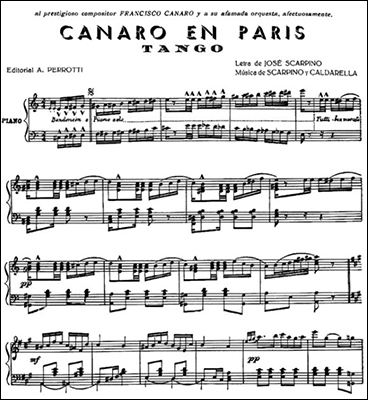
 

Image Credit: http://www.atangoschool.com/resources/music/canaro-francisco/

PLAYLIST:

  • A Media Luz, meaning ‘At Dusk’, a tango recorded by Francisco Canaro, on 8 or 15 November 1926, with music composed by Edgardo Donato in 1925, with lyrics by Carlos César Lenzi.
  • Lorenzo, meaning ‘Lorenzo (a man’s name)’, a tango recorded by Francisco Canaro, on 23 May 1927, with music composed by Agustín Bardi, first recorded in 1926, with lyrics by Mario Alberto Pardo.
  • Derecho Viejo, meaning ‘Old Birthright’, a tango recorded by Francisco Canaro, on 16 April 1927, with music composed by Eduardo Arolas, first recorded in 1917, with lyrics by Gabriel Clausi.
  • El Panuelito, meaning ‘The Handkerchief’, a tango recorded by Francisco Canaro, on 25 July 1928, with music composed by Juan de Dios Filiberto, first recorded in 1920, with lyrics by Gabino Coria Peñaloza.
  • Qué Va Cha Ché!, meaning ‘What Are You Doing?’, a tango recorded by Francisco Canaro, on 9 May 1928, music and lyrics by Enrique Santos Discépolo in 1926.
  • Chiqué, meaning ‘Ornamented’, a tango recorded by Francisco Canaro, on 6 November 1929, music and lyrics by Ricardo Luis Briginolo in 1920, and sung by Charlo.
  • Felicia, meaning ‘Felicia (a woman’s name)’, a tango recorded by Francisco Canaro, on 4 June 1929, with music composed by Enrique Saborido, first recorded in 1927, with lyrics by Carlos Mauricio Pacheco.
  • Don Juan, meaning ‘Sir John’, a tango recorded by Francisco Canaro, on 2 August 1929, with music composed by Ernesto Pozio in 1898, with lyrics by Alfredo E Gobbi.
  • Noches De Amor, meaning ‘Nights of Love’, a vals recorded by Francisco Canaro, on 27 July 1927, with music composed by Francisco Canaro.
  • No Quiero Verla Mas, meaning ‘I Do Not Want to See Her Any More’, a tango recorded by Francisco Canaro, on 2 November 1929, with music composed by Luis Teisseire, with lyrics by Juan Andrés Caruso, and sung by Charlo.
  • Oiga Garcón, meaning ‘Hey, Urchin’, a tango recorded by Francisco Canaro, on 21 August 1929, and sung by Charlo.
  • Se Van A Armar, meaning ‘They Are Going To Have A Fight’, a tango recorded by Francisco Canaro, on 19 June 1929, with music composed by José María Rizzuti, first recorded in 1928, with lyrics by Juan Faustino Sarcione, and sung by Charlo.
  • Alma De Bohemio, meaning ‘Soul Of A Free Spirit ‘, a tango recorded by Francisco Canaro, on 18 or 19 September 1929, with music composed by Roberto Firpo, first recorded in 1928, with lyrics by Juan Andrés Caruso, and sung by Ada Falcón.
  • La Morocha, meaning ‘The Brunette Woman’, a tango recorded by Francisco Canaro, on 24 July or 19 September 1929, with music composed by Enrique Saborido in 1905, with lyrics by ngel VilloldoÁ, and sung by Ada Falcón.
  • Tengo Miedo, meaning ‘I Am Afraid’, a tango recorded by Francisco Canaro, on 19 September 1929, with lyrics by Daniel Moreno Saavedra, and sung by Ada Falcón.
  • Cantando Bajo La Lluvia, meaning ‘Singin’ In The Rain’, a foxtrot, on 23 December 1929, with music composed by Nacio Herb Brown in 1929, with lyrics by Arthur Freed, and sung by Charlo.

Tango In Paris


2017-04-18 - Canaro En Paris - Sheet Music


This week continues the interview with Amy Lynch (bandoneón & keyboards) and Juan Veron (vocals) of Melbourne-based sextet La Busca, and Canaro En Paris features.


That’s Tango Capital, Sunday evening from 7:00pm to 8:00pm:

Image Credit:  images.todotango.com/partituras/Canaro_en_Paris1.gif

PLAYLIST:

  • Canaro En Paris, meaning ‘Canaro In Paris’, a tango recorded by Francisco Canaro, on 26 December 1961, with music composed by Alejandro Scarpino and Juan Caldarella, first recorded in 1927, with lyrics by José Antonio Scarpino.
  • Organito De La Tarde, meaning ‘Barrel-organist of the Afternoon’, a tango recorded by Francisco Canaro in 1925, with music composed by Cátulo Castillo in 1923, with lyrics by José González Castillo.
  • Picardias, meaning ‘Mischief’, a tango recorded by Francisco Canaro in 1925, with music composed by Luis Petrucelli, first recorded in 1924, with lyrics by Julio Bonnet.
  • Canaro En Paris, meaning ‘Canaro In Paris’, a tango recorded by Juan D’Arienzo on 5 May 1950, with music composed by Alejandro Scarpino and Juan Caldarella, first recorded in 1927, with lyrics by José Antonio Scarpino.
  • Oh Paris!, meaning ‘Oh Paris!’, a foxtrot recorded by Enrique Rodríguez, on 21 June 1948, with music composed by José Bohr in 1924, with lyrics by Juan Andrés Caruso, and sung by Ricardo Herrera.
  • Y Te Fuiste A Paris, meaning ‘And You Went To Paris’, a tango recorded by Francisco Lomuto, on 29 November 1934, music and lyrics by Eduardo Pereyra, and sung by Fernando Díaz.
  • La Que Murio En Paris, meaning ‘Death In Paris’, a tango recorded by Emilio Balcarce, on 3 February 1944, with music composed by Enrique Maciel in 1930, with lyrics by Héctor Pedro Blomberg, and sung by Alberto Castillo.
  • Anclao en Paris, meaning ‘Anchored In Paris’, a tango cancion recorded by Carlos Gardel on 28 Mary 1931, with music composed by Guillermo Barbieri in 1931 and lyrics by Enrique Cadícamo.
  • Recuerdos De Paris, meaning ‘Memories of Paris’, a tango recorded by Francisco Canaro, on 16 November 1937, with music composed by Mario Canaro, with lyrics by Carmelo Santiago, and sung by Roberto Maida.
  • Viviane de Paris, a reference to a Parisian woman with green eyes, Viviane; it’s a tango recorded by Ricardo Tanturi, on 5 July 1946, with music composed by Carlos Viván, with lyrics by Horacio Sanguinetti, and sung by Roberto Videla.