
Tango Canyengue

2019-07-21 - Canyengue Feet

There were many dances in early 20th century Buenos Aires, each underpinned by different music: milonga by the habanera rhythm, with different note lengths; another was the lilting Canyengue, a 2/4 rhythm of equally spaced beats arranged quick-quick-slow , quick-quick-slow. Canyengue is the oldest known manifestation of the dance now known as tango, with origins back in the late 19th century, and it was the dance that took the world by storm towards the end of La Belle Époque. There is no doubt that, just like tango, the dance tradition of canyengue was broken during the second half of the 20th century, but whilst Canyengue might have been overshadowed by 4/4 tango music, it certainly did not die out, it was merely overshadowed, just as rock-n-roll did not cease to exist in 1960 but has in fact survived—if not as a fashionable dance then definitely as a popular one. But since the 1980s Canyengue has been revived as a dance and this edition explores the treatments given to its music by a range of traditional and modern ensembles.

The music usually follows a 3-section ABA structure, with 16, 32, and 16 bars to each section respectively, and you can hear the second repeat of the opening section clearly in some of the following music. The dance is framed around a strong quick-quick-slow stepping pattern, with the quick-quick represented in the music as 2 single notes on a bar of the 2/4 arrangement, and the slow a single long note on the following bar. The dance is improvised from units of up to 4 repeats of a dance figure, followed by a “chorus” of up to 8 bars of crossed steps (enganche), but like more modern tango musics the arrangement will vary the marcato, the placement of the strong beats, and so leaders will vary the numbers and arrangements of figures in the dance to suit the music.

That’s this Sunday on Tango Capital, 7:00pm to 8:00pm:

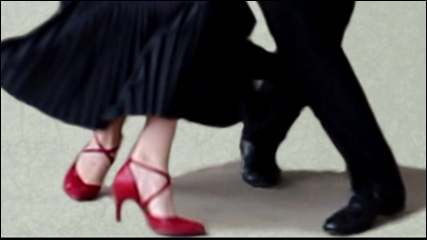
Image: The quintessential foot placement of Canyengue.

PLAYLIST:

  • No Hay Que Hacerse Mala Sangre, meaning ‘There’s No Need For Bad Blood’, a canyengue recorded by Francisco Canaro, on 20 March 1935, with music composed by Francisco Canaro, with lyrics by Ivo Pelay, and sung by Roberto Maida.
  • Alma de Bandoneón, meaning ‘Soul Of The Bandoneón’, a canyengue recorded by Francisco Canaro, on 20 March 1935, with music composed by Enrique Santos Discépolo in 1935, with lyrics by Enrique Santos Discépolo & Luis César Amadori, and sung by Roberto Maida.
  • Noches de Buenos Aires, meaning ‘Nights Of Buenos Aires’, a canyengue recorded by Francisco Canaro, on 23 April 1935, with music composed by Alberto Soifer in 1935, with lyrics by Manuel Romero, and sung by Roberto Maida.
  • Oi, Malevo, meaning ‘Hey, Ruffian’, a canyengue recorded by Roberto Firpo, on 12 December 1929, with music composed by Juan José Buscaglia.
  • Falsa Alegria, meaning ‘False Joy’, a canyengue recorded by Roberto Firpo, on 8 May 1929.
  • Organito Del Suburbio, meaning ‘Suburban Organ-player’, a canyengue recorded by Roberto Firpo, on 26 June 1929, with music composed by Antonio Bonavena, with lyrics by Roberto Fermin Torres, and sung by Teófilo Ibáñez.
  • El Pardo Cejas, meaning ‘Brown Eyebrows’, a canyengue recorded by La Tubatango in 2006, with music composed by Prudencio Aragón and lyrics by Antonio Polito.
  • El Flete, meaning ‘The Racehorse’, a canyengue recorded by La Tubatango in 2006, with music composed by Vicente Greco in 1916, with lyrics by Gerónimo Gradito.
  • La Morocha, meaning ‘The Brunette’, a canyengue recorded by La Tubatango in 2006, with music composed by Enrique Saborido in 1905, with lyrics by Ángel Villoldo.
  • Filo Misho, a canyengue recorded by Orquesta Típica Victor, on 8 May 1930.
  • Recuerdo, meaning ‘A Memory’, a canyengue recorded by Orquesta Típica Victor, on 23 April 1930, with music composed by Osvaldo Pugliese in 1924, with lyrics by Eduardo Moreno, and sung by Roberto Diaz.
  • El Chamuyo, meaning ‘The Chattering’, a canyengue recorded by Orquesta Típica Victor in 1930.
  • 9 de Julio, meaning ‘9th of July’ (a national day of independence), a canyengue recorded by Cuarteto Guardia Vieja in 2005, with music composed by José Luis Padula, with lyrics by Lito Bayardo.
  • Re Fa Si, a canyengue recorded by Cuarteto Guardia Vieja in 2005, with music composed by Enrique Delfino.
  • Jueves, meaning ‘Thursday’, a canyengue recorded by Cuarteto Guardia Vieja in 2005, with music composed by Rafael Rossi & Udelino Toranzo.
  • Intimas, meaning ‘Intimate’, a canyengue recorded by Francisco Lomuto, on 11 August 1944, with music composed by Alfonso Lacueva, with lyrics by Ricardo Luis Brignolo, and sung by Carlos Galarce.
  • Desagravio, meaning ‘Grief’, a canyengue recorded by Francisco Lomuto, on 13 December 1944, with music composed by Francisco Lomuto, with lyrics by Homero Manzi & José María Contursi, and sung by Alberto Rivera.
  • Mano a Mano, meaning ‘Hand By Hand’, a canyengue recorded by Francisco Lomuto, on 11 August 1944, with music composed by Carlos Gardel & José Razzano in 1923, with lyrics by Celedonio Flores, and sung by Alberto Rivera.
  • Grand Guignol, written by Carlos García, Gustavo Santaolalla, and Juan Campodónico, it is from the ‘Mar Dulce’ release recorded by Bajofondo in 2007. The name is a reference to Le Théâtre du Grand Guignol (Theatre of the Great Puppet) in Pigalle, in the heart of the tango quarter of Paris; the Grand Guignol ran from 1897 to 1962, with the height of the popularity of its graphic horror shows coinciding with the popularity of tango in Paris in the 1920s and 1930s ;
Héctor Artola – the music

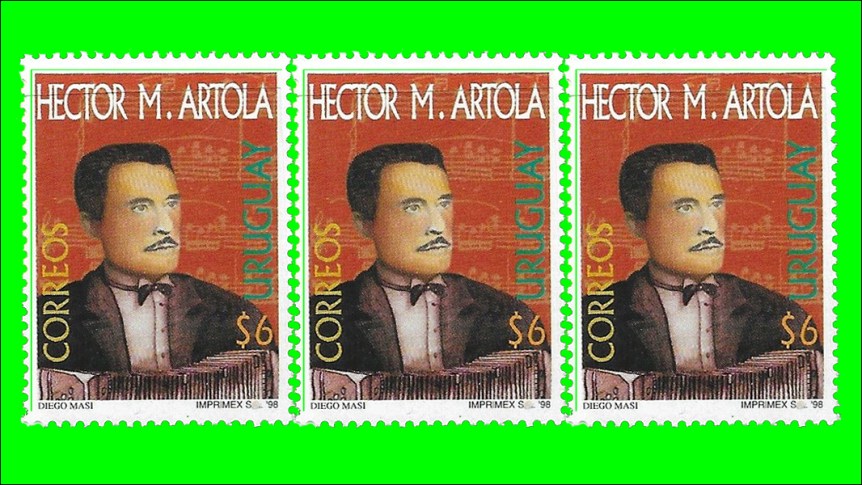
2019-07-10 - Uruguay Stamp - Hector Artola - 1998

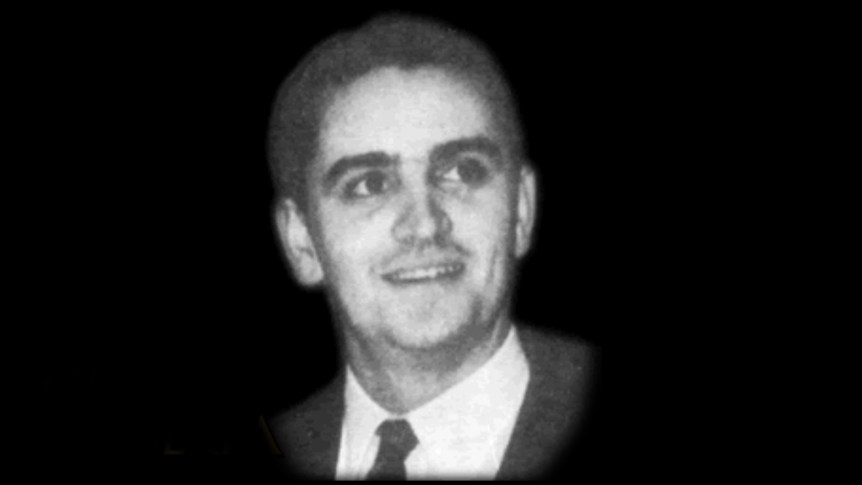
Last edition took a brief look at the professional career of Héctor Artola, and this edition explores his legacy in more detail, tracing the musical ensembles he recorded with over 30 years, and then a selection of his compositions as presented by a range of orquestas over 45 years. That’s this Sunday on Tango Capital, 7:00pm to 8:00pm:

Image: Héctor Artola was one of the subjects of a series of 3 stamps produced in 1998 by Uruguay to commemorate significant artists.

PLAYLIST:

  • Bandoneón Arrabalero, meaning ‘Bandoneón Suburb’; recorded by Trio Argentino in 1929; a tango with music composed by Bachicha in 1928, lyrics by Pascual Contursi, and sung by Roberto Fugazot.
  • Musette, meaning ‘Little Muse’, and also known as ‘Musset, or Mussete’; recorded by Trio Argentino in 1929; a tango with music composed by Lucio Demare in 1929. There are no lyrics to this piece that was written when Demare was in France; one interpretation of the title is that it is in French, and that it is a diminutive term of affection for a woman that Demare saw as a source of inspiration, of some sort; he was, after all, only 23 years old at the time.
  • Olvidame, meaning ‘Forget Me’; recorded by Rafael Canaro in 1939; a tango with music composed by Miguel Bucino, first recorded in 1937, lyrics by Miguel Bucino, and sung by Luis Mariano.
  • Viejos Tiempos, meaning ‘Old Times’; recorded by Rafael Canaro in 1939; a tango with music composed by Carlos Gardel in 1937, lyrics by Alfredo Le Pera, and sung by Aldo Campoamor.
  • Derecho Viejo, meaning ‘Ancient Right’; recorded by Osvaldo Fresedo on 30 december 1941; a tango with music composed by Eduardo Arolas, first recorded in 1917.
  • Mariposita, meaning ‘Little Butterfly’; recorded by Osvaldo Fresedo on 19 June 1941; a tango with music composed by Anselmo A Aieta in 1941 and lyrics by Francisco García Jiménez.
  • Halcón Negro, meaning ‘Black Hawk’; recorded by Héctor Artola in 1949; a tango with music composed by Francisco Canaro, first recorded in 1932.
  • La Casita De Mis Viejos, meaning ‘The Little House Of My Parents’, and also known as ‘La Casita De Mis Padres’; ‘Casita De Mis Viejos’; recorded by Héctor Artola in 1960; a tango with music composed by Juan Carlos Cobián in 1931, lyrics by Enrique Cadícomo, and sung by Jorge Vidal.
  • Se Va La Lancha, meaning ‘See The Boat’; recorded by Juan Maglio on 16 March 1928; a tango with music composed by Héctor María Artola and Edgardo Donato in 1928, lyrics by Francisco Antonio Bastardi, and sung by Carlos Viván.
  • Rey De Copas, meaning ‘King Of Cups’; recorded by Juan Carlos Cobian on 16 July 1928; a tango with music composed by Héctor María Artola, and sung by Francisco Fiorentino. Lyricist unknown.
  • Falsedad, meaning ‘Falsehood’; recorded by Francisco Canaro on 25 October 1936; a tango with music composed by Héctor María Artola, lyrics by Alfredo Navarrine, and sung by Roberto Maida.
  • Desconsuelo, meaning ‘Grief’; recorded by Roberto Firpo on 5 June 1936; a tango with music composed by Héctor María Artola, lyrics by Carlos Bahr, and sung by Carlos A Varela.
  • Ayudame A Vivir, meaning ‘Help Me To Live’; recorded by Mario Maurano in 1937; a tango with music composed by Héctor María Artola and Alfredo Malerba, lyrics by Atilio Supparo, and sung by Libertad Lamarque.
  • La Melodia Del Corazón, meaning ‘The Melody Of The Heart’; recorded by Edgardo Donato on 30 April 1940; a tango with music composed by Héctor María Artola and Fioravanti Di Cicco, lyrics by Carmelo Santiago, and sung by Romeo Gavioli.
  • Otro Tango, meaning ‘Another Tango’; recorded by Miguel Caló on 10 August 1943; a tango with music composed by Héctor María Artola and José Dames, lyrics by Carlos Bahr, and sung by Raúl Iriarte.
  • En Un Rincon, meaning ‘In A Spot’; recorded by Lucio Demare on 21 December 1943; a tango with music composed by Héctor María Artola, lyrics by Homero Manzi, and sung by Raúl Berón.
  • Equipaje, meaning ‘Luggage’; recorded by Ánibal Troilo on 27 March 1945; a tango with music composed by Héctor María Artola, lyrics by Carlos Bahr, and sung by Floreal Ruíz.
  • De Muy Adrento, meaning ‘From Deep Inside’; recorded by Ánibal Troilo in 1954; a tango with music composed by Héctor María Artola.
  • Marcas, meaning ‘Marks’; recorded by Carlos Moreno in 1973; a tango with music composed by Héctor María Artola, first recorded in 1940, lyrics by Carlos Bahr, and sung by Carlos Moreno.


Tango De Saxos

2019-07-05 - Tango De Saxos - Sydney 24 February 2019.jpg

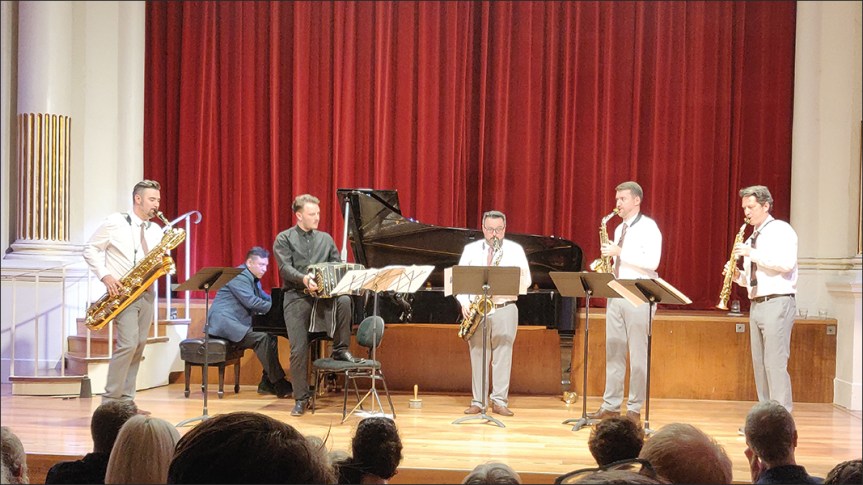
There is a report on the Tango De Saxos collaboration between some tango musicians and a bunch of saxophonists, and the professional career of Héctor Artola features, along with a round-up of What’s On.That’s this Sunday on Tango Capital, 7:00pm to 8:00pm:

Image: Tango De Saxos played at the Independent Theatre, North Sydney, on 24 February 2019; Daniel Rojas on piano, Stephen Cutriss on bandoneón, and Nexas Quartet.

PLAYLIST: 

  • Recuerdo, meaning ‘Memory’; recorded by Bianca-Bachicha on 28 January 1928; a tango with music composed by Osvaldo Pugliese in 1924 and lyrics by Eduardo Moreno.
  • Se Va La Vida, meaning ‘Life Goes On’; recorded by Bachicha on December 1930; a tango with music composed by Edgardo Donato & Robert Zerillo in 1929, lyrics by Luis Mario, and sung by Emilia García and Juan Raggi.
  • Falsedad, meaning ‘Falsehood’; recorded by Rafael Canaro in 1939; a tango with music composed by Héctor María Artola, first recorded in 1936, lyrics by Alfredo Navarrine, and sung by Alberto Tagle.
  • Marcas, meaning ‘Marks’; recorded by Osvaldo Fresedo on 17 September 1941; a tango with music composed by Héctor María Artola, first recorded in 1940, lyrics by Carlos Bahr, and sung by Carlos Meyel.
  • No Me Pregunten Porqué, meaning ‘Do Not Ask Me Why’, and also known as ‘No Me Pregunten Por Qué’; recorded by Héctor Artola on 18 August 1952; a tango with music composed by Carlos Di Sarlo in 1935, lyrics by Reinaldo Pignataro, and sung by Oscar Alonso.
  • Che, Bandoneón, meaning ‘Hey, Bandoneón’;, from the collection ‘El Asunto Del Tango’ released in 2015, recorded by Nexas in 2015; a tango with music composed by Ánibal Troilo in 1950 and lyrics by Homero Manzi.
  • Tengo Un Tango, meaning ‘I Have A Tango’;, from the collection ‘El Asunto Del Tango’ released in 2015, recorded by Nexas in 2015; a milonga with music composed by Héctor Dingis, first recorded in 2008 and lyrics by Bibí Albert.
  • La Cumparsita, meaning ‘The Little March’;, from the collection ‘El Asunto Del Tango’ released in 2015, recorded by Nexas in 2015; a tango with music composed by Gerardo Matos Rodríguez in 1924 and lyrics by Pascual Contursi, Enrique Maroni, and Gerardo Matos Rodríguez.

Milonga Capital 2019 (II)

2019-06-27 - Milonga Capital 2019

23 February saw Adelaide DJ Pat Petronio behind the deck at Milonga Capital 2019, and this week features the second hour of her exquisite playlist. That’s this Sunday on Tango Capital, 7:00pm to 8:00pm:

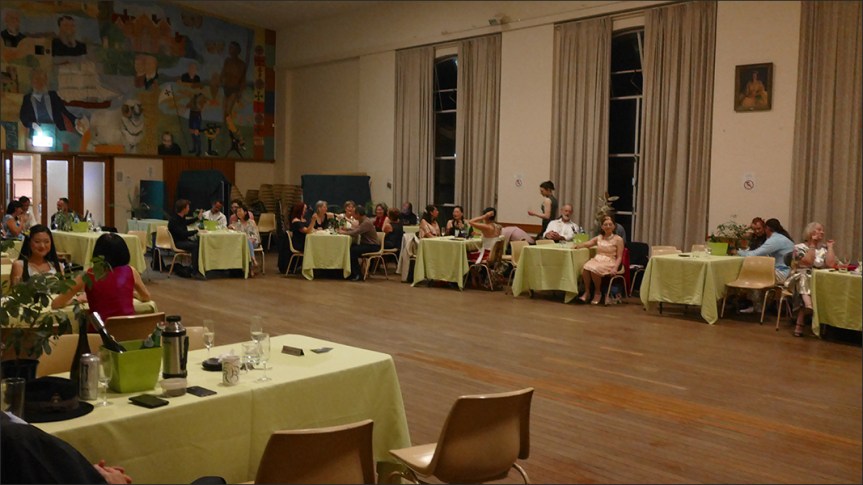
Image: Milonga Capital 2019, St Johns Church Hall, Canberra

Live music calendar: Tango.Capital

PLAYLIST:

Tanda 1: Tangos from Osvaldo Fresedo: Arrabelero (1939), followed by Ricardo Ruiz singing Un Amor (1940), Después Del Carnaval (1941), and ¡Qué Noche! (1937).

                  Cortina: Amy Winehouse; Love Is A Losing Game

Tanda 2: Tangos from Pedro Laurenz: Juan Carlos Casas singing Amurado (1940), Héctor Farrel singing Abandono (1937), Alberto Del Campo singing Es Mejor Perdonar (1942), and Martín Podestá singing Al Verla Pasar (1942).

                  Cortina: ABBA: Dancing Queen

Tanda 3: Valses from Juan D’Arienzo (1936): Una Lágrima and Visión Celeste; and from Edgardo Donato: Veneración (1933) and Félix Gutiérrez singing La Tapera (1936).

                  Cortina: The Beachboys: Good Vibrations

Tanda 4: Tangos from Ánibal Troilo (1941): Milongueando En El ’40 and Cachirulo, followed by Francisco Fiorentino singing Toda Mi Vida and Te Aconsejo Que Me Olvides.

                  Cortina: The Mamas & The Papas: Words Of Love

Tanda 5: Tangos from Alfredo De Angelis: Oscar Larroca singing Bailarín Compadrito (1953), Carlos Dante singing Gloria (1950), Julio Martel and Néstor Rodi singing De Igual A Igual (1944) in duet, and Floreal Ruiz singing Déjame Así (1943).

                  Cortina: Aretha Franklin: Respect

Tango For Dancing

2019-06-21 - TFD BWR 2

Tango Capital returns to play the fourth Sunday of the month broadcasting a milonguita playlist for dancers . That’s this Sunday on Tango Capital, 7:00pm to 8:00pm:

PLAYLIST:

Tanda 1: Tangos from Enriqué Rodríguez (1943): with Armando Moreno singing Adíos Para SiempreAquel Silbido, and Ire.

Tanda 2: Milongas from Carlos Di Sarli: Antonio Rodríguez Lesende singing Milonga Del Cenenario (1940), and Roberto Rufino singing Rosa Morena (1942) and Maldonado (1943).

Tanda 3: Tango from Pedro Laurenz: Juan Carlos Casas singing No Me Extraña (1940), Es Mejor Perdonar (1942), and Firuletear de Bandoneón (1942).

Tanda 4:Tangos from Hugo Díaz: Mano A Mano and Cuesta Abajo.

Tanda 5: Tangos from Francisco Canaro (1941): Francisco Amor singing En Esta Tarde Gris, Lo Que El Viento Se Llevo, and Copa De Ajenjos.

Tanda 6: Valses from Alfredo De Angelis (1947): Julio Martel singing Esta Noche, Julio Martel and Carlos Dante singing Flores Del Alma, and Carlos Dante singing A Su Memoria.

Tanda 7: La Cumparsita from Enriqué Rodríguez (1953).


Alex Nodelman, DJ

2019-06-15 - Alex Nodelman with Tango Capital at BASH 2016.jpg

Late last year a series of technical problems interrupted one interview in particular. It was the interview series with Alex Nodelman and, as the technical issues have since been resolved, next edition I am going to replay that interview in its entirety. Together with some great tango for dancing and a quick round-up of some upcoming dance festivals, that’s this Sunday on Tango Capital, 7:00pm to 8:00pm:

Image: Alex Nodelman with Tango Capital at Bash 2017.

Live music calendar: Tango.Capital

PLAYLIST:

  • Murió El Malevo, meaning ‘The Ruffian Died’, a tango written by Héctor Varela and recorded by him on 16 June 1953, with lyrics by Carlos Waiss and sung by Rodolfo Lesica.
  • Pasión, meaning ‘Passion’, from Juan D’Arienzo recorded on 2 July 1937 , a vals composed by Alberto Cosentino and with lyrics by Juan Miguel Velich.
  • La Cicatriz, meaning, “The Scar” a milonga from Juan D’Arienzo recorded on 31 October 1939 with Alberto Echagüe singing music and lyrics composed by Raúl Aguirrezabalaga.
  • La Vida Es Corta, meaning ‘The Life Is Short’, from Ricardo Tanturi, recorded on 19 February 1941 with Alberto Castillo singing, a tango also composed by Ricardo Tanturi and with lyrics by Francisco Gorrindo, first recorded in 1930.
  • Mi Romance, from Ricardo Tanturi, recorded on 7 July 1941 with Alberto Castillo singing, a vals composed by José Raúl Iglesias and with lyrics by Juan Bautista Gatti.
  • Mozo Guapo, from Ricardo Tanturi, a milonga recorded on 19 February 1941 with Alberto Castillo singing, composed by Ricardo Tanturi and with lyrics by Eusebio Francisco López.
  • Infamia, meaning ‘Infamy’; a tango recorded by Juan D’Arienzo on 15 December 1941; with music and lyrics composed by Enrique Santos Discépolo in 1939, and sung by Héctor Mauré.
  • Enamorada, meaning ‘Enamoured’; recorded by Juan D’Arienzo on 23 June 1943; a tango with music and lyrics composed by Principe Cubano, first recorded in 1937, and sung by Héctor Mauré.
  • Compadrón; recorded by Juan D’Arienzo on 22 December 1942; with music composed by Luis Nicolas Visca in 1927, lyrics by Enrique Cadícamo, and sung by Héctor Mauré. The name is a reference to one of the ‘compadritos’, the displaced gauchos that drifted to Buenos Aires seeking work.
  • El Olivo, meaning ‘The Olive’; recorded by Juan D’Arienzo on 14 July 1941; a tango with music composed by Antonio Scatasso and Domingo Julio Vivas, first recorded in 1924, lyrics by Carlos Ponciano Cabral, and sung by Héctor Mauré.

Tango concierto, with Daniel Rojas & Stephen Cutriss

2019-06-09 - Daniel Rojas (piano) & Stephen Cutriss (bandoneon) at the Melbourne Recital Hall

Last edition introduced the recording legacy of Oscar Serpa, and this edition explores his professional life in more detail. Then there is a quick round-up of upcoming tango events, and a report on the first live tango music event of 2019, a concert presentation by Daniel Rojas and Stephen Cutriss. That’s this Sunday on Tango Capital, 7:00pm to 8:00pm:

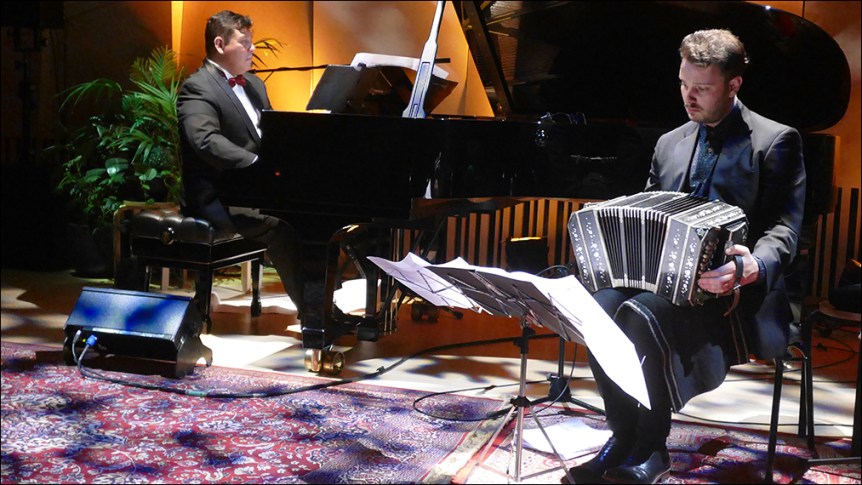
Rojas and Cutriss have worked together before and they are both mature musicians, bringing formidable energy as well as precise control of technique. They are also both seasoned performers who introduced each piece engagingly, repositioning the audience for each change of style and substance, the disparate pieces drawn from across the Americas woven together finally into a highly satisfying concert.

Image Daniel Rojas and Stephen Cutriss at the Melbourne Recital Hall on 24 January 2019.

PLAYLIST:

  • La Payanca; recorded by Juan D’Arienzo on 9 June 1936; a tango with music composed by Augusto Pedro Berto in 1926 and lyrics by Jesús Fernández Blanco.
  • La Novia Del Mar, meaning ‘The Bride Of The Sea’; recorded by Carlos Di Sarli on 22 June 1948; a tango with music composed by José Ranieri and Elías Randal, lyrics by Horacio Sanguinetti, and sung by Oscar Serpa.
  • Jamás Retornarás, meaning ‘Never Return’; recorded by Osvaldo Fresedo on 28 June 1943; a tango with music composed by Osmar Maderna, first recorded in 1942, lyrics by Miguel Caló, and sung by Oscar Serpa.
  • Precio, meaning ‘Price’; recorded by Ricardo Pedevilla in 1950; a tango with music composed by Manuel Sucher, lyrics by Carlos Bahr, and sung by Oscar Serpa.
  • Verdemar, meaning ‘Sea-green’; recorded by Carlos Di Sarli on 16 September 1955; a tango with music composed by Carlos Di Sarli in 1943, lyrics by José María Contursi, and sung by Oscar Serpa.
  • Ventanal, meaning ‘Window’; a recorded by Los Señores del Tango on 29 October 1962; a tango with music composed by Héctor Stamponi, first recorded in 1961, lyrics by Cátulo Castillo, and sung by Oscar Serpa.
  • Danzarín, meaning ‘Dancer’; from the collection ‘Buenos Aires’ released in 2017, recorded by Tango Oz in 2016; a tango with music composed by Julián Plaza, first recorded in 1958.
  • Resurrección Del Ángel, meaning ‘Resurrection Of The Angel’; a tango nuevo from the collection ‘Latin Piano Expressions’ released in 2013, recorded by Daniel Rojas in 2013; a tango nuevo with music composed by Astor Piazzolla.
  • Navegar, meaning ‘To Sail’; from the collection ‘Nocturno’ released in 2018, recorded by Oblivion Tango Duo in 2018; a concierto with music composed by Daniel Rojas.


Oscar Serpa

2019-06-02 - Oscar Serpa

This week introduces the mellifluous voice of Oscar Serpa through a chronological cross-section of his tango recording legacy. That’s this Sunday on Tango Capital, 7:00pm to 8:00pm:

Image: http://www.todotango.com/creadores/ficha/1658/Oscar-Serpa

Live music calendar: Tango.Capital

PLAYLIST:

  • Ronda De Ases, meaning ‘Round Of Aces’; recorded by Osvaldo Fresedo on 12 November 1942; a tango with music composed by Osvaldo Fresedo, lyrics by Homero Manzi, and sung by Oscar Serpa.
  • Te Llama Mi Violín, meaning ‘I Call You My Violin’; recorded by Osvaldo Fresedo on 27 November 1942; a tango with music composed by Elvino Vardaro, lyrics by Cátulo Castillo, and sung by Oscar Serpa.
  • Porqué, meaning ‘Why’; recorded by Osvaldo Fresedo on 25 January 1943; a tango with music composed by Osvaldo Fresedo, first recorded in 1931, lyrics by Emilop Augusto Oscar Fresedo, and sung by Oscar Serpa.
  • Nana, meaning ‘Grandma’, and also known as ‘Na ná’; recorded by Osvaldo Fresedo on 30 June 1944; a tango with music composed by Félix Lipesker and Emilio Barbato, lyrics by Cátulo Castillo, and sung by Oscar Serpa.
  • Noches Largas, meaning ‘Long Nights’; recorded by Osvaldo Fresedo on 6 November 1945; a tango with music composed by Astor Piazzolla, lyrics by Carlos Bahr, and sung by Oscar Serpa.
  • Ventanita De Arrabal, meaning ‘Little Window Of The Suburb’; recorded by Ricardo Pedevilla on 28 November 1950; a tango with music composed by Antonio Scatasso in 1927, lyrics by Pascual Contursi, and sung by Oscar Serpa.
  • Y Mientes Todavía, meaning ‘And Always On My Mind’; recorded by Ricardo Pedevilla on 3 November 1950; a tango with music composed by Luciano Leocata, lyrics by Abel Aznar, and sung by Oscar Serpa.
  • Precio, meaning ‘Price’; recorded by Ricardo Pedevilla; a tango with music composed by Manuel Sucher in 1950, lyrics by Carlos Bahr, and sung by Oscar Serpa. Almost certainly recorded in 1950.
  • Sueño De Juventud, meaning ‘Dreams Of Youth’; recorded by Carlos Di Sarli on 10 June 1952; a vals with music composed by Enrique Santos Discépolo in 1931, lyrics by Enrique Santos Discépolo, and sung by Oscar Serpa.
  • De Vuelta, meaning ‘Again’; recorded by Carlos Di Sarli on 21 April 1953; a vals with music composed by Carlos Ángel Lázzari, first recorded in 1947, lyrics by Carlos Bahr, and sung by Oscar Serpa.
  • Cuatro Vidas, meaning ‘Four Lives’; recorded by Carlos Di Sarli on 10 June 1952; a tango with music composed by Carlos   Di Sarli, lyrics by Héctor Marcó, and sung by Oscar Serpa.
  • Por Qué Le Llaman Amor, meaning ‘Why They Call Him/Her Love’; recorded by Carlos Di Sarli on 30 June 1954; a tango with music composed by Carlos Di Sarli, lyrics by Héctor Marcó, and sung by Oscar Serpa. Di Sarli and Serpa first recorded a much shorter version of this song (only two and a half minutes long) earlier in the same year, on 17 March 1954.
  • Tus Palabras Y La Noche, meaning ‘Your Words And Tonight’; recorded by Carlos Di Sarli on 14 September 1954; a tango with music composed by Emilio Aguirre Q., first recorded in 1950, lyrics by Carlos Cacciari, and sung by Oscar Serpa.
  • Mi Madre Tierra, meaning ‘My Mother Earth’, and also known as ‘Madre Tierra’; recorded by Carlos Di Sarli on 20 June 1955; a tango with music composed by Alberto Suárez Villanueva, lyrics by Gerardo Adroher, and sung by Oscar Serpa.
  • Ventanal, meaning ‘Picture Window’; recorded by Los Señores Del Tango on 29 October 1962; a tango with music composed by Héctor Stamponi, first recorded in 1961, lyrics by Cátulo Castillo, and sung by Oscar Serpa.
  • Locura…Locura, meaning ‘Madness…Madness’; recorded by Los Señores Del Tango on 11 October 1962; a tango with music composed by Manuel Sucher, first recorded in 1960, lyrics by Robert Cantoral, and sung by Oscar Serpa.


Tango For Dancing

2019-05-23 - TFD - RBW 1

Tango Capital returns to play the fourth Sunday of the month broadcasting a milonguita playlist for dancers . That’s this Sunday on Tango Capital, 7:00pm to 8:00pm:

PLAYLIST:

Tanda 1: Valses from Miguel Caló: with Raúl Iriarte singing El Desafio, Raúl Iriarte and Roberto Arrieta singing Trapitos, and Roberto Arrieta singing Cimarron De Ausencia.

Tanda 2: Tangos from Edgardo Donato (1935): Hugo Del Carril singing La Caida De La Estanteria, Rosa Poneme Una Ventosa (accompanied by Randona), and Muchacho De Cafetin.

Tanda 3: Tango Nuevo from Astor Piazzolla: Cité Tango (1977).

Tanda 4: Tango from Osvaldo Fresedo (1939): Ricardo Ruíz singing Mi Gitana, Si No Me Engana El Corazón and Volveras.

Tanda 5: Valses from Enrique Rodríguez (1939): Roberto Flores singing Salud, Dinero Y Amor, Fru Fru, and Los Piconeros.

Tanda 6: Tangos from Ángel D’Agostino (1946): Ángel Vargas singing Camino Del Túcuman, Destellos, and Demasiado Tarde.

Tanda 7: Tangos from Alfredo De Angelis (1957): Oscar Larocca singing Te Quiero, Cantando, and Se Te Nota En Los Ojos.

Rodolfo Caivano, bandoneonista (II)

2019-05-16 - Just Us Tango - 24 April 2019.jpg

In the second part of this interview Rodolfo Caivano talks about his life as a musician – guitarist and bandoneonista, how it took him from the province of Buenos Aires, to Canberra, and his vision of the future of music.   That’s this Sunday on Tango Capital, 7:00pm to 8:00pm:

Image: Rodolfo Caivano and the core of his ensemble Just Us Tango, at Smith’s Alternative, Canberra, on 25 April 2019.

PLAYLIST:

  • Fuimos, meaning ‘We Went’; recorded by Néstor Marconi in 2008; a tango with music composed by José Dames in 1945 and lyrics by Homero Manzi.
  • Chiqué, meaning ‘Fancy’, and also known as ‘El Elegante’; recorded by Osvaldo Pugliese on 28 May 1953; a tango with music composed by Ricardo Luis Brignolo in 1920 and lyrics by Ricardo Luis Brignolo.
  • Danzarín, meaning ‘Dancer’; recorded live from a performance by Just Us Tango at Smith’s Alternative, Canberra on 25 April 2019; a tango with music composed by Julián Plaza, first recorded in 1958.
  • Comme Il Faut, meaning ‘Quite Alright’, and also known as ‘Como Debe Ser’; recorded live from a performance by Just Us Tango at Smith’s Alternative, Canberra on 25 April 2019; a tango with music composed by Eduardo Arolas, first recorded in 1936 and lyrics by Gabriel Clausi.
  • Como Dos Extraños, meaning ‘Like Two Strangers’; recorded live from a performance by Just Us Tango at Smith’s Alternative, Canberra on 25 April 2019; a tango with music composed by Pedro Laurenz in 1940 and lyrics by José María Contursi.
  • Niebla Del Riachuelo, meaning ‘Fog Of The Riachuelo’, and also known as ‘Nieblas Del Riachuelo’; recorded live from a performance by Rodolfo Caivano at 2XXfm studio on 6 April 2019; a tango with music composed by Juan Carlos Cobián in 1937 and lyrics by Enrique Cadícamo. The name is a reference to the Riachuelo rivulet that flows through Buenos Aires and empties into the sea at La Boca; it is was also known as the Rio De La Matanza, ‘River Of Slaughter’, a reference to the slaughterhouses along it that emptied their waste into it, along with the industrial wastes from tanneries, factories, and shipping; it has been a major public health hazard since the 1860s but as yet no action has actually been taken to remedy it.