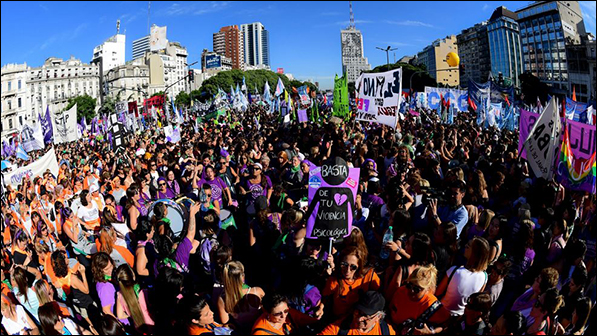

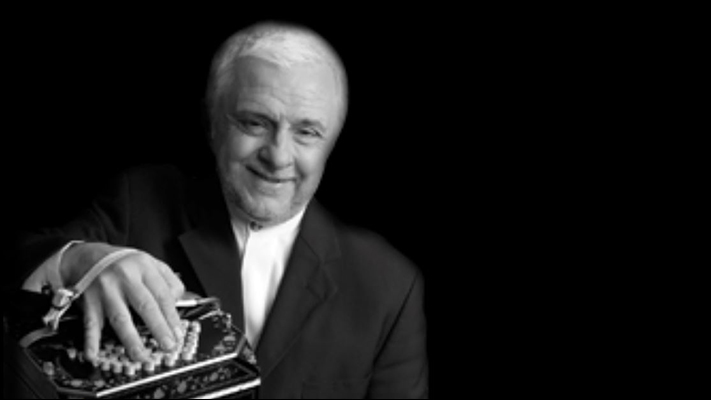
Daniel Binelli, a virtuoso of La Vanguardía

2018-05-23 - Daniel Binelli

Last edition looked at the professional career of bandoneonista Daniel Binelli and this edition focuses on his 14-year musical collaboration with Pugliese, arranging some of the most dramatic music in tango. That’s Tango Capital this Sunday evening from 7:00pm to 8:00pm:

Image: http://www.todotango.com/creadores/ficha/1377/Daniel-Binelli

PLAYLIST:

  • A Evarista Carriego, meaning ‘To Evaristo Carriego’; recorded by Osvaldo Pugliese in 1969; a tango with music composed by Eduardo Rovira. The name is a reference to the Argentinian poet who inspired and shaped much early tango.
  • Bandó, meaning ‘Edict’; recorded by Osvaldo Pugliese in 1969; a tango with music composed by Astor Piazzolla in 1955.
  • Taconeando, meaning ‘Tapping’; recorded by Osvaldo Pugliese in 1970; a tango with music composed by Pedro Maffía in 1931 and lyrics by José Haracio Staffolani. The name is a reference to dancing, to shoe heels tapping.
  • Tinta Roja, meaning ‘Red Ink’; recorded by Osvaldo Pugliese on 25 April 1972; a tango with music composed by Sebastián Piana in 1941 and lyrics by Cátulo Castillo. The name is perhaps a reference to the red stain of blood.
  • La Beba, meaning ‘The Baby Girl’; recorded by Osvaldo Pugliese on 25 April 1972; a tango with music composed by Osvaldo Pugliese, first recorded in 1946.
  • El Andariego, meaning ‘The Walker’, perhaps, ‘The Rambler’; recorded by Osvaldo Pugliese on 26 June 1972; with music composed by Alfredo J. Gobbi jnr, first recorded in 1951.
  • Ojos Negros, meaning ‘Dark Eyes’; recorded by Osvaldo Pugliese on 20 October 1972; a tango with music composed by Vicente Greco, first recorded in 1917 and lyrics by Ernesto Temes.
  • Camandulaje, recorded by Osvaldo Pugliese on 7 December 1973; a tango with music composed by Alfredo J. Gobbi jnr, first recorded in 1955.
  • Zum; recorded by Osvaldo Pugliese on 12 December 1973; a tango with music composed by Astor Piazzolla. The name is a nonsense word.
  • Arrabal, meaning ‘Poor Quarter’; recorded by Osvaldo Pugliese on 27 September 1974; a tango with music composed by José Pascual, first recorded in 1937. The name is a reference to one of the poorer suburbs.
  • Quejas De Bandoneón, meaning ‘Cry Of The Bandoneón’; recorded by Osvaldo Pugliese on 14 June 1977; a tango with music composed by Juan De Dios Filiberto, first recorded in 1920.
  • Los Mareados, meaning ‘The Dizziness’; recorded by Osvaldo Pugliese on 20 October 1977; a tango with music composed by Juan Carlos Cobián, first recorded in 1922 and lyrics by Raúl Doblas and Enrique Cadícamo. The name is a reference to the dizziness of alcohol, of champagne, and perhaps of love.
  • El Africano, meaning ‘The African’; recorded by Osvaldo Pugliese on 20 December 1978; a tango with music composed by Eduardo Pereya, first recorded in 1920 and lyrics by Francisco Antonio Lio.
  • Olivero, recorded by Osvaldo Pugliese in 1979; a tango with music composed by José Martínez, first recorded in 1951 and lyrics by Antonio Buglione.
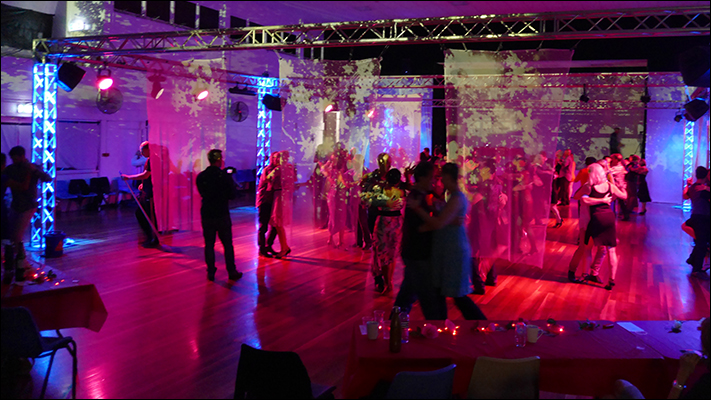
 

Neotango Rage!

2018-05-18 - Neotango Rage

NeoTango Rage rocked the Gold Coast this month, Daniel Binelli features, and the interview with DJ Alex Nodelman concludes. That’s Tango Capital this Sunday evening from 7:00pm to 8:00pm:

Image: NeoTango Rage, on the Gold Coast, May 2018

PLAYLIST:

  • Un Momento, meaning ‘A Moment’; recorded by Horacio Salgan on 20 May 1953; a vals with music composed by Enrique Francini and Héctor Stamponi, first recorded in 1951, lyrics by Homero Expósito, and sung by Roberto Goyeneche.
  • La Beba, meaning ‘The Baby Girl’; recorded by Osvaldo Pugliese on 25 April 1972; a tango with music composed by Osvaldo Pugliese, first recorded in 1946.
  • Aromas, meaning ‘Scents’; recorded by Orquesta del Tango de Buenos Aires in 1990; a tango with music composed by Osvaldo Fresedo in 1923 and lyrics by Emilo Augusto Oscar Fresedo.
  • Siempre Me Quedará, meaning ‘I Will Always Stay’; recorded by Bebe in 2004; a alternative piece with music and lyrics composed by Maria Nieves Rebolledo, and sung by Bebe. It’s about a miscarriage
  • Last Tango In Paris; recorded by Supertangox in 2007; a alternative piece with music composed by Gato Barbieri, first recorded in 1972. The music was writtenfor the film in which the only tango is Ballroom Tango
  • Infamia, meaning ‘Infamy’; recorded by Juan D’Arienzo on 15 December 1941; a tango with music and lyrics composed by Enrique Santos Discépolo in 1939, and sung by Héctor Mauré.
  • Enamorada, meaning ‘Enamoured’; recorded by Juan D’Arienzo on 23 June 1943; a tango with music and lyrics composed by Principe Cubano, first recorded in 1937, and sung by Héctor Mauré.
  • Compadrón; recorded by Juan D’Arienzo on 22 December 1942; a tango with music composed by Luis Nicolas Visca in 1927, lyrics by Enrique Cadícamo, and sung by Héctor Mauré. The name is a reference to one of the ‘compadritos’, the displaced gauchos that drifted to Buenos Aires seeking work.
  • Milonga Sentimental, meaning ‘Sentimental Milonga’; recorded by Otros Aires in 2004; a milonga with music composed by Sebastián Piana in 1932 and lyrics by Homero Manzi. In it you can hear samples of Carlos Gardel singing it in 1933.


Titi Rossi – the music

2018-05-11 - Titi Rossi

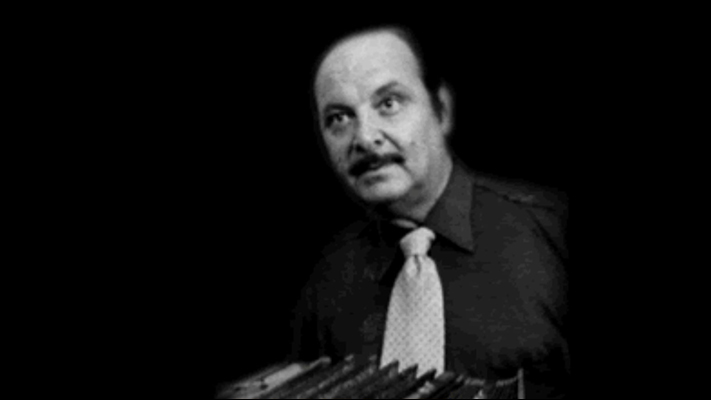
Last edition explored the life of the bandoneonista, orquesta leader, and composer, Titi Rossi. This edition will showcase his legacy with music from Donato’s orquesta in the early 1940s followed by a selection of Rossi’s compositions as interpreted by a range of orquestas from 1933 to 1959. That’s Tango Capital this Sunday evening from 7:00pm to 8:00pm:

Image: http://www.todotango.com/creadores/ficha/764/Ernesto-Rossi

PLAYLIST:

  • Mis Pesares, meaning ‘My Sorrows’; recorded by Edgardo Donato on 18 February 1941; a tango with music composed by Edgardo Donato, lyrics by Carlos Pesce, and sung by Horacio Lagos.
  • A Media Luz, meaning ‘At Dusk’; recorded by Edgardo Donato on 13 October 1941; a tango with music composed by Edgardo Donato, first recorded in 1925, lyrics by Carlos César Lenzi, and sung by Horacio Lagos.
  • A Oscuras, meaning ‘In The Dark’; recorded by Edgardo Donato on 11 June 1941; a tango with music composed by Ascanio Donato, lyrics by Héctor Marcó, and sung by Horacio Lagos.
  • Quién Será, meaning ‘Who Will Be’; recorded by Edgardo Donato on 13 October 1941; a vals with music and lyrics composed by Luis Rubistein, first recorded in 1940, and sung by Horacio Lagos.
  • No Se Haga Mala Sangre, meaning ‘Do Not Become Bad Blood’; recorded by Edgardo Donato on 21 July 1941; a polca with music and lyrics composed by Luis Rubistein, and sung by Horacio Lagos and Lita Morales.
  • Te Busco, meaning ‘I Look For You’; recorded by Edgardo Donato on 21 July 1941; a tango with music composed by Edgardo Donato, lyrics by Héctor Marcó, and sung by Horacio Lagos.
  • Te Gané De Mano, meaning ‘I Won You By Hand’; recorded by Edgardo Donato on in either 1938 or 1941; a tango with music composed by Edgardo Donato, lyrics by Juan Bautista Abad Reyes, and sung by Horacio Lagos and ‘Randona’.
  • Un Libro, meaning ‘A Book’; recorded by Edgardo Donato on 8 August 1941; a tango with music composed by Osvaldo Donato, lyrics by Ricardo Olcese, and sung by Horacio Lagos.
  • Repique Del Corazón, meaning ‘Ring Of The Heart’; recorded by Edgardo Donato on 18 February 1941; a milonga with music composed by Osvaldo Donato, lyrics by José Rótulo, and sung by Horacio Lagos and Romeo Gavioli.
  • Cara Negra, meaning ‘Black Face’; recorded by Edgardo Donato on 11 March 1942; a milonga with music composed by José Rótulo, lyrics by Edgardo Donato, and sung by Horacio Lagos and ‘Randona’.
  • Campañas De Bronce, meaning ‘Bells Of Bronze’; recorded by Francisco Canaro on 11 December 1933; a tango with music composed by Ernesto A Rossi and Titi Rossi, and sung by Ernesto Famá.
  • Muchachos, Mi Último Tango, meaning ‘Lads, My Last Tango’; recorded by Pedro Laurenz on 1 March 1944; a tango with music composed by Titi Rossi, lyrics by Justo Ricardo Thompson, and sung by Alberto Podestá.
  • Bien Bohemio, meaning ‘Good Bohemian’; recorded by Francisco Rotundo on 12 April 1954; a tango with music composed by Titi Rossi and Juan Pomati, lyrics by Sara Rainer, and sung by Julio Sosa.
  • Carnaval, meaning ‘Carnival’; recorded by Francisco Rotundo on 26 June 1953; a candombe with music composed by Titi Rossi and Francisco Rotundo, lyrics by Pedro Blasco, and sung by Julio Sosa.
  • No Me Hablen De Ella, meaning ‘Do Not Talk To Me About It’; recorded by Carlos Di Sarli on 30 September 1957; a tango with music and lyrics composed by Titi Rossi and Jorge Moreira, and sung by Jorge Durán.
  • No La Maldigas Por Dios, meaning ‘Do Not Curse Her, For God’s Sake’; recorded by Carlos Di Sarli on November 1958; a tango with music composed by Titi Rossi, lyrics by Jorge Moreira, and sung by Jorge Durán.
  • Dos Canarios, meaning ‘Two Canaries’; recorded by Héctor Varela on 10 April 1958; a tango with music composed by Titi Rossi.
  • Pa’ Que Oigan, Bandoneón, meaning ‘For you To Hear, Bandoneón’; recorded by Héctor Varela on 22 July 1956; a tango with music composed by Titi Rossi.


Tango Youth Orquesta, revisited

Tango Youth Orquesta - AMRAP

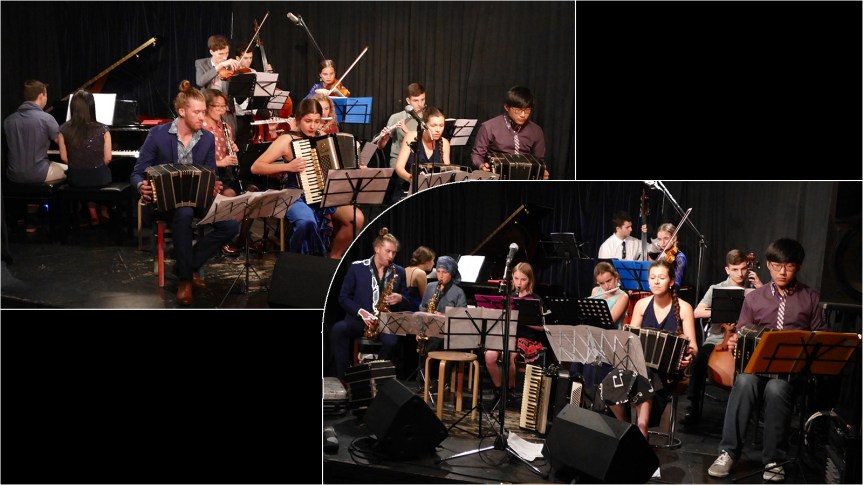
There is a report on the 19 April debut of the 2 ensembles of the first Tango Youth Orquesta at 505, in Surry Hills, Sydney, and the music of Titi Rossi features along with the second part of an interview with Sydney DJ Alex Nodelman. That’s Tango Capital this Sunday evening from 7:00pm to 8:00pm:

Image: above: Senior Tango Youth Orquesta; below: Junior Tango Youth Orquesta

For a link to the report on the Tango Youth Orquesta, click here.

PLAYLIST:

  • Mishiadura; recorded by Edgardo Donato on 11 March 1942; a tango with music composed by Eduardo Arolas and lyrics by Alfredo Bigeschi.
  • Mi Noche Triste, meaning ‘My Sad Night’; recorded by Francisco Rotundo on 21 February 1949; a tango with music composed by Samuel Castriota in 1916, lyrics by Pascual Contursi, and sung by Floreal Ruiz.
  • Pa’ Que Oigan, Bandoneón, meaning ‘For You To Hear, Bandoneón’; recorded by Héctor Varela on 22 July 1956; a tango with music composed by Titi Rossi.
  • No Me Hablen De Ella, meaning ‘Do Not Talk To Me About It’; recorded by Héctor Varela in 1974; a tango with music and lyrics composed by Titi Rossi and Jorge Moreira, and sung by Victor Daniel.
  • La Gran Aldea, meaning ‘The Great Village’; recorded by Edgardo Donato on 23 March 1944; a tango with music composed by Edgardo Donato, lyrics by Horacio Sanguinetti, and sung by Jorge Denis.
  • Sacale Punta; recorded by Edgardo Donato on 9 March 1938; a milonga with music composed by Edgardo Donato, lyrics by Sandilio Gómez, and sung by Horacio Lagos and ‘Randona’ (the singing name of Donato’s violinist).
  • Tango Remembrances, meaning ‘Tango Remembrances’; recorded by Yo-Yo Ma in 1997; a tango nuevo with music composed by Astor Piazzolla and Jorge Calandrelli. In this piece Yo Yo Ma plays a duo with Piazzolla’s studio outakes dating back to August of 1987.
  • La Vida Es Corta, meaning ‘Life Is Short’; recorded by Ricardo Tanturi on 19 Febraury 1941; a tango with music composed by Ricardo Tanturi, lyrics by Francisco Gorrindo, and sung by Alberto Castillo.
  • Mi Romance, meaning ‘My Romance’; recorded by Ricardo Tanturi on 7 July 1941; a vals with music composed by José Raúl Iglesias, lyrics by Juan Bautista Gatti, and sung by Alberto Castillo.
  • Mozo Guapo, meaning ‘Handsome Lad’; recorded by Ricardo Tanturi on 19 February 1941; a milonga with music composed by Ricardo Tanturi, lyrics by Eusebio Francisco López, and sung by Alberto Castillo.


Juan Cambareri & Firpo’s Cuarteto

2018-04-20 - Roberto Firpo y su cuarteto

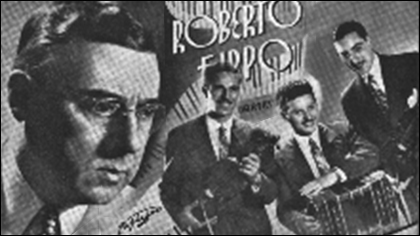
The story goes that Firpo only put Cambareri into his orquesta to keep him from joining any other orquesta until Firpo was ready to launch his new concept, the recording quartet, in the form of his Cuarteto Los De Antes, with Cambareri on bandoneon. As Cambareri was only 16 at the time he must have been a master bandoneonista, and this episode traces his playing with the Cuarteto Los De Antes.  That’s Tango Capital this Sunday evening from 7:00pm to 8:00pm:

Image Credit: http://tangosalbardo.blogspot.com.au/2013/05/doblete-de-firpo.html

La Busca – The CD

2018-04-15 - La Busca - La Busca - Cover Art - AMRAP

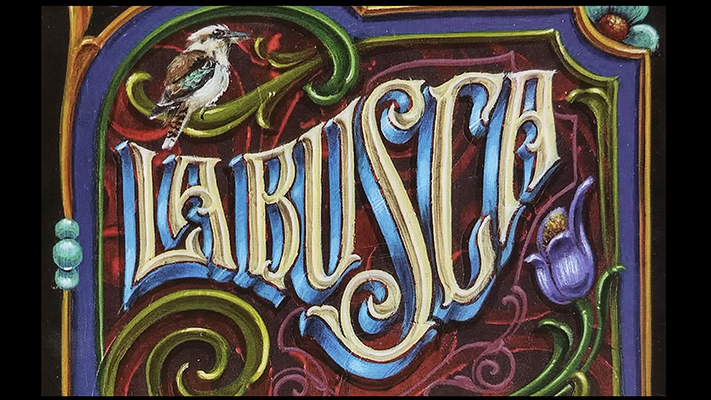
This week highlights the debut CD from Melbourne-based tango band La Busca, and after a quick outing to the National Folk Festival over the last couple of weeks we return to the interview with tango DJ Alex Nodelman.

That’s Tango Capital this Sunday evening from 7:00pm to 8:00pm:

Image Credit: cover of the debut CD from the Melbourne-based tango band La Busca.

PLAYLIST:

  • Reliquias Porteñas; recorded by La Busca in 2018; a milonga with music composed by Graciano De Leone, first recorded in 1938 and lyrics by Celedonio Flores.
  • En La Brecha; recorded by Roberto Firpo on 31 July 1935; a tango with music composed by Roberto Firpo, first recorded in 1917.
  • Sábado Inglés; recorded by Roberto Firpo on 25 April 1040; a tango with music composed by Juan Félix Maglio, first recorded in 1920 and lyrics by Eugenio Cárdenas.
  • El Llorón; recorded by Juan Cambareri on 22 November 1950; a tango milonga with music composed by Juan Félix Maglio in 1933 and lyrics by Enrique Cadícamo.
  • Buscándote; recorded by La Busca in 2018; a tango with music and lyrics composed by Lalo Scalise, first recorded in 1941, and sung by Juan Beron.
  • Paisaje; recorded by La Busca in 2018; a vals with music composed by Sebastián Piana, first recorded in 1943, lyrics by Homero Manzi, and sung by Juan Beron.
  • La Vida Es Corta; recorded by Ricardo Tanturi on 19 February 1941; a vals with music composed by Ricardo Tanturi, lyrics by Francisco Gorrindo, and sung by Alberto Castillo.
  • Mi Romance; recorded by Ricardo Tanturi on 7 July 1941; a vals with music composed by José Raúl Iglesias, lyrics by Juan Bautista Gatti, and sung by Alberto Castillo.
  • Mozo Guapo; recorded by Ricardo Tanturi on 19 February 1941; a milonga with music composed by Ricardo Tanturi in 1941, lyrics by Eusebio Francisco López, and sung by Alberto Castillo.
  • Adios Juventud; recorded by La Busca in 2018; a vals with music composed by Andonio Sureda, first recorded in 1933, lyrics by Gerónimo Sureda, and sung by Juan Beron.

Tango at the National Folk Festival

2018-04-15 - TSCC closing at the NFF 2018 - AMRAP


The Tango Social Club of Canberra was at the National Folk Festival in Canberra this Easter, and Tango Capital tagged along to see what goes into taking tango out into the broader community. Sunday 1 April they hosted the milonga, and the following playlist for Sunday 1 April showcases the traditional music played that night as well as the music bracket performed live by La Busca. Then the following edition of Tango Capital explored the workshops and demonstrations held over the weekend, illustrated by the music danced at the displays and listed below in the second playlist.

Image: The Tango Social Club of Canberra closing their final gig at the National Folk Festival 2018; it was a display and finished with Pavadita.

Las Del Tango

2018-03-22 - Las Del - Un Homenaje - AMRAP

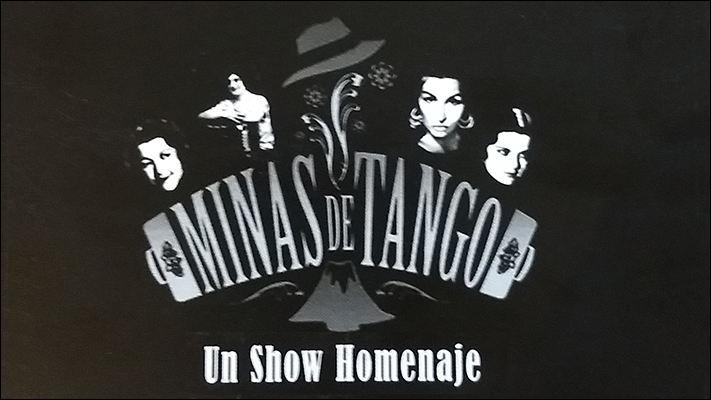
Last edition celebrated International Women’s Day so the music this week will feature the singing of several great cancionistas.  That’s Tango Capital this Sunday evening from 7:00pm to 8:00pm:

Image Credit:  cover of the CD of the 2010 performance “Minas De Tango” (roughly, Chicks of Tango), a homage to the women of tango by Las Del Abasto.

PLAYLIST:

  • El Malevo, meaning ‘The Thug’; recorded on 16 March 1928; a tango with music composed by Julio De Caro in 1928, lyrics by Luis Mario, and sung by Rosita Quiroga.
  • Flor De Fango, meaning ‘Flower Of Mire’; recorded on 12 December 1926; a tango with music composed by Agusto Gentile in 1914, lyrics by Pascual Contursi, and sung by Rosita Quiroga.
  • Corazón De Oro, meaning ‘Heart Of Gold’; recorded by Francisco Canaro on 11 June 1930; a vals with music composed by Francisco Canaro, first recorded in 1928, lyrics by Jesús Fernández Blanco, and sung by Ada Falcón.
  • Viviré Con Tu Recuerdo, meaning ‘I Live With Your Memory’; recorded by Francisco Canaro on 4 August 1942; a vals with music composed by Francisco Canaro, lyrics by Ivo Pelay, and sung by Ada Falcón.
  • Más Fuerte Que Yo, meaning ‘Stronger Than I’; a tango with music composed by Leo Lipesker, lyrics by Eduardo Parula, and sung by Elsa Rivas.
  • Ventanita Florida, meaning ‘Little Window Full Of Flowers’; recorded in 1940; a tango with music composed by Enrique Delfino in 1940, lyrics by Luis César Amadori, and sung by Elsa Rivas.
  • Milonga Negra, meaning ‘Black Milonga’; recorded on 18 April 1937; a milonga with music composed by Enrique Delfino, first recorded in 1932, lyrics by Mario Fernando Rada, and sung by Mercedes Simone.
  • Negra María, meaning ‘Black Mary’; recorded on 21 November 1941; a milonga with music composed by Lucio Demare in 1941, lyrics by Homero Manzi, and sung by Mercedes Simone.
  • Reflexionemos, meaning ‘Let’s Reflect’; a tango with music and lyrics composed by Juan Pablo Marín, first recorded in 1957, and sung by Nina Miranda.
  • Soñemos, meaning ‘We Are’; a tango with music composed by Roberto Caló, first recorded in 1956, lyrics by Reinaldo Yiso, and sung by Nina Miranda.
  • Cada Vez Que Me Recuerdes, meaning ‘Every Time That You Remember Me’; from the ‘Más Tango’ release recorded in 1998; a tango with music composed by Mariano Mores, first recorded in 1943, lyrics by José María Contursi, and sung by Adriana Varela.
  • Afiches, meaning ‘Posters’; from the ‘Más Tango’ release recorded in 1998; a tango with music composed by Atilio Stampone, first recorded in 1956, lyrics by Homero Expósito, and sung by Adriana Varela.
  • Nada, meaning ‘Nothing’; from the ‘Las Flores Buenas’ release recorded in 2011; a tango with music composed by José Dames, first recorded in 1944, lyrics by Horacio Sanguinetti, and sung by Ligia Piro.
  • Estampilla, meaning ‘Stamp’; a tango with music composed by Enrique Delfino, first recorded in 1928, lyrics by Manuel Romero, and sung by Jacinta Hernández.
  • Fruta Amarga, meaning ‘Bitter Fruit’; from the ‘Tal Vez Será SuVoz – Tangos’ release recorded by El Arranque in 2007; a tango with music composed by Hugo Gutiérrez, first recorded in 1945, lyrics by Homero Manzi, and sung by Lidia Borda.
  • Remolino, meaning ‘Swirl’; from the ‘Por El Camino’ release recorded in 2015; a tango with music composed by Alfredo De Angelis, first recorded in 1946, lyrics by José Rotulo, and sung by Victoria Morán.
  • Se Dice De Mi, meaning ‘They Say Of Me’; from the ‘Minas De Tango’ release recorded by Las Del Abasto in 2010; a milonga with music composed by Francisco Canaro in 1943, lyrics by Ivo Pelay, and sung by Stella Diaz.

Día Internacional de la Mujer


2018-03-16 - IWD - AMRAP

This last fortnight celebrated International Women’s Day so the music this week will focus on the women of tango, and third time lucky, and with a slightly different technical tack, the interview with  Sydney tango DJ Alex Nodelman re-starts. That’s Tango Capital, Sunday evening from 7:00pm to 8:00pm:

Image: http://www.thebubble.com/mass-rally-outside-congress-to-mark-international-womens-day/

Troilo-Fiorentino

Last edition celebrated Anibal Troilo’s recording career, which started with his successful collaboration with Francisco Fiorentino, so this edition  takes a chronological dive through their music together.

2018-03-08 - Troilo & Fiorentino.jpg

That’s Tango Capital this Sunday evening from 7:00pm to 8:00pm:

Image Credit: http://www.tangology101.com/main.cfm/title/Tanda-of-the-Week-59—Anibal-Troilo-with-Francisco-Fiorentino/id/1229

PLAYLIST:

  • En Esta Tarde Gris, meaning ‘On This Grey Afternoon’; recorded by Aníbal Troilo on 18 July 1941; a tango with music composed by Mariano Mores in 1941, lyrics by José María Contursi, and sung by Francisco Fiorentino.
  • Tabernero, meaning ‘Publican’; recorded by Aníbal Troilo on 28 May 1941; a tango with music composed by Miguel Cafre and Fausto Frontera, first recorded in 1927, lyrics by Raúl Costa Oliveri, and sung by Francisco Fiorentino.
  • Sencillo Y Compadre, meaning ‘Straightforward And Gaucho’; recorded by Aníbal Troilo on 21 November 1941; a tango with music composed by Juan José Guichandut, lyrics by Carlos Bahr, and sung by Francisco Fiorentino. The name is a reference to the mythologised gaucho .
  • Con Toda La Voz Que Tengo, meaning ‘With All The Voice I Have’; recorded by Aníbal Troilo on 16 April 1941; a milonga with music composed by Aníbal Troilo, lyrics by Enrique Dizeo, and sung by Francisco Fiorentino.
  • Ficha De Oro, meaning ‘Token Of Gold’; recorded by Aníbal Troilo on 9 October 1942; a milonga with music composed by Carmelo Di Napoli, lyrics by Enrique Dizeo, and sung by Francisco Fiorentino.
  • El Desafío, meaning ‘The Challenge’; recorded by Aníbal Troilo on 30 March 1944; a milonga with music composed by René Ruiz, lyrics by Gualberto Márquez, and sung by Francisco Fiorentino.
  • Pa’ Que Bailen Los Muchachos, meaning ‘For The Lads That Dance’; recorded by Aníbal Troilo on 16 April 1942; a tango with music composed by Aníbal Troilo, lyrics by Enrique Cadícamo, and sung by Francisco Fiorentino.
  • Por Las Calles De La Vida, meaning ‘Through the Streets Of My Life’; recorded by Aníbal Troilo on 14 December 1942; a tango with music and lyrics composed by Enrique Cadícamo, and sung by Francisco Fiorentino.
  • Soy Muchacho De La Guardia, meaning ‘I Am A Lad Of The Guard’; recorded by Aníbal Troilo on 15 June 1942; a tango with music composed by Agustín Irusta, lyrics by Héctor Marcó, and sung by Francisco Fiorentino. The name is a reference to the Guardia Vieja and the street origins of tango.
  • Tu Diagnóstico, meaning ‘Your Diagnosis’; recorded by Aníbal Troilo on 9 October 1941; a vals with music and lyrics composed by José Betinotti, first recorded in 1921, and sung by Francisco Fiorentino.
  • Valsecito Amigo, meaning ‘Vals Friend’; recorded by Aníbal Troilo on 25 March 1943; a vals with music composed by Aníbal Troilo, lyrics by José María Contursi, and sung by Francisco Fiorentino.
  • Temblando, meaning ‘Shaking’; recorded by Aníbal Troilo on 30 March 1944; a vals with music composed by Alberto Hilarion Acuña, first recorded in 1933, lyrics by Gualberto Márquez, and sung by Francisco Fiorentino.
  • A Bailar, meaning ‘To Dance’; recorded by Aníbal Troilo on 5 November 1943; a tango with music composed by Domingo Federico, lyrics by Homero Expósito, and sung by Francisco Fiorentino.
  • Cada Vez Que Me Recuerdes, meaning ‘Every Time You Remember Me’; recorded by Aníbal Troilo on 5 April 1943; a tango with music composed by Mariano Mores, lyrics by José María Contursi, and sung by Francisco Fiorentino.
  • Corazón, No Le Hagas Caso, meaning ‘Heart, Don’t Take Notice’; recorded by Aníbal Troilo on 11 March 1943; a tango with music composed by Armando Pontier in 1942, lyrics by Carlos Bahr, and sung by Francisco Fiorentino.
  • No Te Apures, Cara Blanco, meaning ‘Do Not Worry, White Face’; recorded by Aníbal Troilo on 18 September 1942; a tango with music composed by Roberto Garza in 1942, lyrics by Carlos Bahr, and sung by Francisco Fiorentino.
  • Cada Día Te Extraño Más, meaning ‘Every Day I Miss You More’; recorded by Aníbal Troilo on 17 December 1943; a tango with music composed by Armando Pontier in 1943, lyrics by Carlos Bahr, and sung by Francisco Fiorentino.
  • Tabaco, meaning ‘Tobacco’; recorded by Aníbal Troilo on 30 March 1944; a tango with music composed by Armando Pontier, lyrics by José María Contursi, and sung by Francisco Fiorentino.
  • Bien Porteño, meaning ‘Good Man of Buenos Aires’; recorded by Aníbal Troilo on 30 March 1944; a tango with music and lyrics composed by Gregorio Surif and Alberto Augusto Barbera.