
Mendoza Tango Quartet

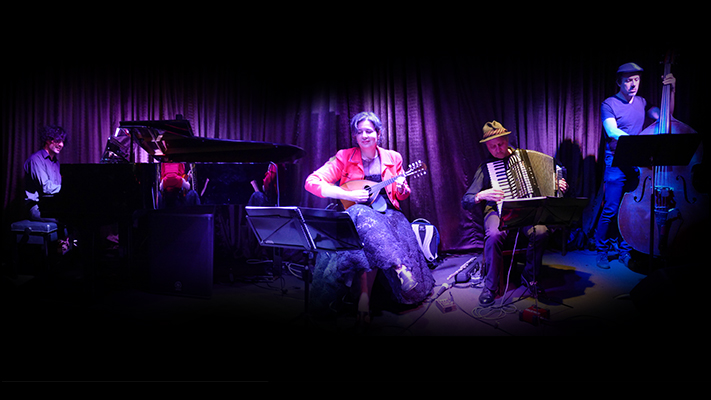
2019-05-11 - Mendoza Tango Quartet at BASH 2018

Mendoza Tango Quartet rocked BASH 2018, featured this edition, and after an introduction to his recording legacy last edition there is an exploration of the life and times of Osvaldo Fresedo, together with a quick round-up of What’s On. That’s this Sunday on Tango Capital, 7:00pm to 8:00pm:

Image: Mendoza Tango Quartet at BASH 2018, with Sam Malone standing in for Chloe Williamson on contrabajo..

Live music calendar: Tango.Capital

PLAYLIST:

  • Mi Cariñito, meaning ‘My Little Darling’; recorded by Alfredo De Angelis on 12 May 1949; a vals with music composed by Alfredo De Angelis, lyrics by José Rotulo, and sung by Julio Martel and Carlos Dante.
  • Vida Mía, meaning ‘My Life’; recorded by Osvaldo Fresedo on 13 September 1933; a tango with music composed by Osvaldo Fresedo, lyrics by Emilio Augusto Oscar Fresedo, and sung by Roberto Ray.
  • El Espiante, meaning ‘The Spy’; recorded by Osvaldo Fresedo on 1 December 1927; a tango with music composed by Osvaldo Fresedo in 1914.  This piece is onomatopoeic, inspired by the sirens of police cars that used to interrupt Fresedo’s practice sessions.
  • Tango Mío, meaning ‘My Tango’; recorded by Osvaldo Fresedo on 13 October 1939; a tango with music composed by Osvaldo Fresedo, first recorded in 1930, lyrics by Emilio Augusto Oscar Fresedo, and sung by Ricardo Ruiz.
  • Volverás, meaning ‘You Will Return’; recorded by Osvaldo Fresedo on 20 July 1948; a tango with music composed by Osvaldo Fresedo, lyrics by Emilio Augusto Oscar Fresedo, and sung by Osvaldo Cordó.
  • Porque, meaning ‘Why?’; recorded by Osvaldo Fresedo on 25 January 1943; a tango with music composed by Osvaldo Fresedo, first recorded in 1931, lyrics by Emilio Augusto Oscar Fresedo, and sung by Oscar Serpa.
  • El Once, meaning ‘The Eleven’; recorded live from a performance by Mendoza Tango Quartet at Soldiers’ Hall at Bundanoon, NSW, during the Saturday night milonga of BASH 2018 on 24 November 2018; a tango with music composed by Osvaldo Fresedo in 1924 and lyrics by Emilio Augusto Oscar Fresedo. The name is a reference to the eleventh annual ball of hospital interns in Buenos Aires, who invited Fresedo to play at and compose a tango for their annual ball in 1926.
  • Romance De Barrio, meaning ‘Suburban Romance’; recorded live from a performance by Mendoza Tango Quartet at Soldiers’ Hall at Bundanoon, NSW, during the Saturday night milonga of BASH 2018 on 24 November 2018; a vals with music composed by Ánibal Troilo in 1947 and lyrics by Homero Manzi.
  • Milonguero Viejo, meaning ‘Old Tango Master’; recorded live from a performance by Mendoza Tango Quartet at Soldiers’ Hall at Bundanoon, NSW, during the Saturday night milonga of BASH 2018 on 24 November 2018; a tango with music composed by Carlos Di Sarli in 1926 and lyrics by Enrique Carrera Sotelo. The name is a reference to Osvaldo Fresedo by Carlos Di Sarli, who early in his career led one of Fresedo’s orquesta and who forever considered Fresedo to be the ‘Old Tango Master’.
  • Mano Brava, meaning ‘Brave Hands’; recorded live from a performance by Mendoza Tango Quartet at Soldiers’ Hall at Bundanoon, NSW, during the Saturday night milonga of BASH 2018 on 24 November 2018; a milonga with music composed by Francisco and Juan Canaro, first recorded in 1918.
  • A Evaristo Carriego, meaning ‘To Evaristo Carriego’; recorded live from a performance by Mendoza Tango Quartet at Soldiers’ Hall at Bundanoon, NSW, during the Saturday night milonga of BASH 2018 on 24 November 2018; a tango with music composed by Eduardo Rovira in 1969. The name is a reference to the 19th century Argentine poet Evaristo Carriego who was an inspiration for decades of tango lyrics.

Osvaldo Fresedo

2019-05-04 - Osvaldo Fresedo

5 May is the birthdate of Osvaldo Fresedo, and this edition will explore his recording legacy. That’s this Sunday on Tango Capital, 7:00pm to 8:00pm:

Image: todotango.com/creadores/ficha/20/Osvaldo-Fresedo

Live music calendar: Tango.Capital

PLAYLIST:

  • La Cachila, meaning ‘The Old Heap’, and also known as ‘La Cachirla’; recorded by Osvaldo Fresedo on 15 November 1927; a tango with music composed by Eduardo Arolas in 1921 and lyrics by Héctor Polito. The name is a reference to a broken-down old vehicle.
  • Fumando Espero, meaning ‘Smoking I Wait’; recorded by Osvaldo Fresedo on 8 November 1927; a tango with music composed by Juan Viladomat Masanas in 1922 and lyrics by Felix Garzo.
  • Carillon De La Merced, meaning ‘Bells Of Mercy’; recorded by Osvaldo Fresedo on 7 July 1931; a tango with music composed by Enrique Santos Discépolo in 1931, lyrics by Enrique Santos and Alfredo Le Pera, and sung by Teófilo Ibáñez.
  • El Espiante, meaning ‘The Spy’; recorded by Osvaldo Fresedo on 17 January 1932; a tango with music composed by Osvaldo Fresedo, first recorded in 1916.
  • El Once, meaning ‘The Eleven’, and also known as ‘El 11’ and ‘A Divertirse’; recorded by Osvaldo Fresedo on 5 April 1935; a tango with music composed by Osvaldo Fresedo in 1924, lyrics by Emilio Augusto Oscar Fresedo, and sung by Roberto Ray. The name was derived from the 11th annual ball held by medical students, for which Fresedo was ask to play and to compose a tango; he had already performed at their 6th annual ball for which he wrote the tango El Sexto, but this never became as popular as El Once.
  • Isla De Capri, meaning ‘Island Of Capri’; recorded by Osvaldo Fresedo on 15 February 1935; a tango with music composed by Will Grosz, and sung by Roberto Ray.
  • Contigo Quiero Ir, meaning ‘I Want To Go With You’; recorded by Osvaldo Fresedo on 16 March 1933; a foxtrot sung by Roberto Ray.
  • Negra Maria, meaning ‘Black Maria’; recorded by Osvaldo Fresedo on 10 October 1941; a candombe with music composed by Lucio Demare, first recorded in 1936, lyrics by Homero Manzi, and sung by Carlos Roldan.
  • La Trampera, meaning ‘The Tramp’; recorded by Osvaldo Fresedo on 3 September 1951; a milonga with music composed by Ánibal Troilo, first recorded in 1950.
  • Ronda De Ases, meaning ‘Round Of Aces’; recorded by Osvaldo Fresedo on 12 November 1942; a tango with music composed by Osvaldo Fresedo, lyrics by Homero Manzi, and sung by Oscar Serpa.
  • Como Aquella Princesa, meaning ‘Like That Princess’; recorded by Osvaldo Fresedo on 12 May 1937; a tango with music composed by Joaquín Mora, lyrics by José María Contursi, and sung by Roberto Ray.
  • Amor, meaning ‘Love’; recorded by Osvaldo Fresedo on 8 September 1938; a vals with music composed by Osvaldo Fresedo, lyrics by Emilio Augusto Oscar Fresedo, and sung by Roberto Ray.
  • Tres Recuerdos, meaning ‘Three Memories’; recorded by Osvaldo Fresedo on 13 May 1941; a vals with music composed by Rodolfo Sciammarella, first recorded in 1935, lyrics by Manuel Romero, and sung by Ricardo Ruiz.
  • Más Allá, meaning ‘Beyond’; recorded by Osvaldo Fresedo on 12 July 1939; a tango with music composed by Joaquín Mora, lyrics by José María Contursi, and sung by Ricardo Ruiz.
  • Buscandote, meaning ‘Looking For You’; recorded by Osvaldo Fresedo on 30 December 1941; a tango with music composed by Lalo Scalise, lyrics by Lalo Scalise, and sung by Ricardo Ruiz.
  • Vida Mía, meaning ‘My Life’; recorded by Osvaldo Fresedo in 1956 with guest artist Dizzy Gillespie; a tango with music composed by Osvaldo Fresedo in 1934 and lyrics by Emilio Augusto Oscar Fresedo.
  • Adíos Muchachos, meaning ‘Good-bye Lads’; recorded by Osvaldo Fresedo in 1956 with guest artist Dizzy Gillespie; a tango with music composed by Julio César Alberto Sanders in 1927 and lyrics by César Felipe Vedani.

Tango For Dancing

2019-04-25 - TFD WRB 1

Tango Capital returns to play the fourth Sunday of the month broadcasting a milonguita playlist for dancers . That’s this Sunday on Tango Capital, 7:00pm to 8:00pm:

Live music calendar: Tango.Capital

PLAYLIST:

Tanda 1: Tangos from Rodolfo Biagi (1938): instrumental versions of El 13, El Incendio, and Unión Cívica.

Tanda 2: Milongas from Ánibal Troilo: instrumental versions of Mano Brava (1952), Taquito Militar (1954), and Corralera (1956).

Tanda 3: Tangos from Carlos Di Sarli (1941): Bien Frappe, Cascabelito, and Charlemos.

Tanda 4: Alternative: Dimba (Ousmane Touré (20075) and African Tango (Adiemus, 1998).

Tanda 5: Tangos from Francisco Lomuto (1944): Raúl Berón singing Íntimas, Muchachita Rosarita, and Solamente Ella.

Tanda 6: Valses from Lucio Demare (1943): No Nos Veremos Más, Al Pasar, and Se Fue.

Tanda 7: Tangos from Osvaldo Pugliese (1950): Jorge Vidal singing Barra Querida, Ventanita De Arrabal, and Vieja Recova.

Rodolfo Caivano, bandoneonista (I)

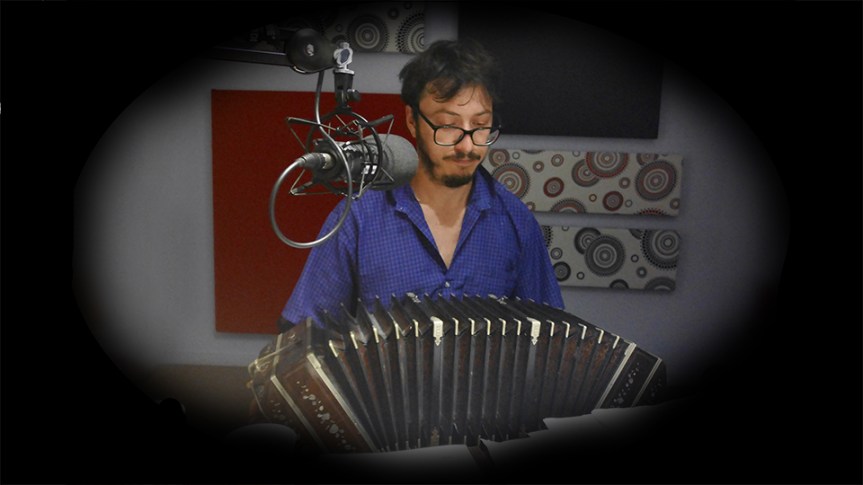
2019-04-19 - Rodolfo Caivano in the 2xx studio on 6 April 2019

Rodolfo Caivano first heard tango as his grandmother sang, and then heard it in the bandoneón. Now he has settled in Canberra, but his childhood in Argentina was steeped in music—both folkloric and tango—and this week he talks about the impact of those experiences on his life as a bandoneonista.  That’s this Sunday on Tango Capital, 7:00pm to 8:00pm:

  • broadcasting on 2xxfm 98.3 in Canberra,
  • streaming live and also on demand and streaming live from http://www.2xxfm.org.au

Image: Rodolfo Caivano in the 2xx studio on 6 April 2019

PLAYLIST:

  • Francisco Y Francisca, meaning ‘Francisco And Francisca’; recorded by Rodolfo Mederos in 2016; a tango concierto with music composed by Rodolfo Mederos.
  • Lo Qué Vendra, meaning ‘What Will Come’; recorded by Ánibal Troilo on 25 April 1963; a tango with music composed by Astor Piazzolla, first recorded in 1954.
  • Regreso A La Tonada, meaning ‘Return To The Tonada’; recorded by Mercedes Sosa in 1996; a tonada with music composed by Tito Francia and Armando Tejada Gomez.
  • El Matador, meaning ‘The Bull-fighter’, and also known as ‘Matador’; recorded by Los Fabulosos Cadillacs in 1998; a murga-derived piece composed in 1993; authorship not attributed but it is from Los Fabulosos Cadillacs.
  • Sur, meaning ‘South’; recorded live by Rodolfo Caivano at the 2xx studios on 6 April 2019; a tango with music composed by Ánibal Troilo in 1948, and lyrics by Homero Manzi.
  • Bandoneón Arrabalera, meaning ‘Bandoneón Of The Outer Suburbs’; recorded by Victor Lavallen in 2011; a tango with music composed by Bachicha in 1928, and lyrics by Pascual Contursi. The name is a reference to the arrabaleras, the suburbs on the fringe of Buenos Aires in which tango evolved from the milongas and other folk dances.
  • La Ultima Curda, meaning ‘The Last Bender’; recorded live by Rodolfo Caivano at the 2xx studios on 6 April 2019; a tango with music composed by Ánibal Troilo in 1956 and lyrics by Cátulo Castillo and José Razzano. The name is a reference to getting drunk.
  • Gran Hotel Victoria, and also known as ‘Hotel Victoria’; recorded by Quinteto Real in 1963; a tango composed in 1906. The name is a reference to the large hotel of that name at Calle San Martín 133 in the provincial city of Córdoba, on the occasion of extensive renovations in 1906; the hotel is still operating in Córdoba although it moved to a new site at 25 de Mayo 240 in 1914 and the original building has been demolished; no subsequent renovations have been immortalised in tango. Tangos were often written for commercial reasons such as advertising, but this is one of the very few of such tangos to survive. There is doubt about the authorship of both music and lyrics but, like ‘Yunta Brava’ (with which it shares melodic components) it incorporates Spanish folk melodies.

Roberto Díaz

2019-04-14 - Roberto Diaz

Last edition took a brief look at the significance of the singing of Roberto Díaz in drawing together the separate traditions of instrumental tango and sung tango, and this edition explores his musical legacy in more detail. That’s this Sunday on Tango Capital, 7:00pm to 8:00pm:

Image Credit: http://www.todotango.com/creadores/ficha/789/Roberto-Diaz

PLAYLIST:

  • La Montonera, meaning ‘The Crowd’; recorded on 21 November 1929; a vals with music composed by Enrique Delfino, lyrics by Manuel Romero, and sung by Roberto Díaz with guitar accompaniment.
  • Así Es El Mundo, meaning ‘That Is The World’; recorded by Francisco Canaro on February 1926; a tango with music composed by Mario Canaro, lyrics by Juan Andrés Caruso, and sung by Roberto Díaz.
  • Piedad, meaning ‘Mercy’; recorded by Julio De Caro on March 1925; a tango with music composed by José María Rizzuti, first recorded in 1924, lyrics by Julio Bonnet, and sung by Roberto Díaz.
  • Por Qué, meaning ‘Why’; recorded by Julio De Caro on March 1925; a tango sung by Roberto Díaz.
  • Milonga; recorded by Luis Petrucelli on 15 November 1928; a tango with music composed by Adolfo Mondino, lyrics by Adolfo Mondino, and sung by Roberto Díaz.
  • Sentimiento Malevo, meaning ‘Sensibility Of A Ruffian’; recorded by Luis Petrucelli on 4 December 1929; a tango with music composed by Antonio Buglione, lyrics by Enrique Cadícamo, and sung by Roberto Díaz. The name is a reference to the ‘malevos’, the rough types who hung out in the outer suburbs where tango evolved.
  • Vieja Calesita, meaning ‘Old Carousel’; recorded by Orquesta Típica Victor on 2 October 1929; a tango with music composed by Enrique Mónaco, lyrics by Julio Alberto Cantuarias, and sung by Roberto Díaz.
  • Recuerdo, meaning ‘Reminiscence’; recorded by Orquesta Típica Victor on 23 April 1930; a tango with music composed by Osvaldo Pugliese in 1924, lyrics by Eduardo Moreno, and sung by Roberto Díaz.
  • Pifiaste, meaning ‘You Messed Up’; recorded by Cayetano Puglisi on 9 October 1929; a tango with music composed by Rafael Buonavoglia, lyrics by Luis Rubistein, and sung by Roberto Díaz.
  • Qué Querés Con Ese Loro, meaning ‘What Do You Want With That Bird’; recorded by Cayetano Puglisi on 7 October 1929; a tango with music composed by Enrique Delfino in 1929, lyrics by Manuel Romero, and sung by Roberto Díaz.
  • Cola E’ Paja, meaning ‘Guilty Conscience’; recorded by Orquesta Típica Porteña on 28 April 1931; a tango sung by Roberto Díaz.
  • Qué Suegra!, meaning ‘What A Mother-In-Law!’; recorded by Orquesta Típica Porteña on 10 March 1931; a tango with music composed by Francisco Bohigas, and sung by Roberto Díaz. Lyricist unknown – possibly the composer?
  • El Bailongo, meaning ‘The Dance’; recorded by Roberto Firpo in 1932; a tango sung by Roberto Díaz.
  • Cenizas De Mi Primer Amor, meaning ‘Ashes Of My First Love’; recorded by Roberto Firpo on 9 May 1932; a tango sung by Roberto Díaz.
  • Casate Conmigo, meaning ‘Marry Me’; recorded by Osvaldo Fresedo on 22 March 1935; a tango with music composed by Osvaldo Fresedo, lyrics by Emilio Fresedo, and sung by Roberto Díaz.
  • Retazo, meaning ‘Remnant’; recorded by Osvaldo Fresedo on 22 March 1935; a tango with music composed by José María Rizzuti, lyrics by Santiago Giordano, and sung by Roberto Díaz.
  • Mi Dolor, meaning ‘My Sadness’, recorded by Carlos Marcucci on 23 May 1930, a tango with music composed by Carlos Marcucci, lyrics by Manual Meaños and sung by Roberto Díaz.

Tango Noir

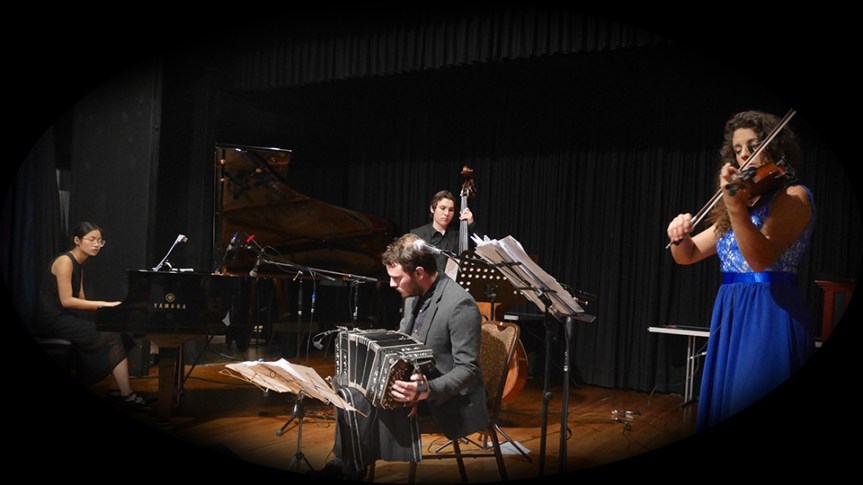
2019-04-04 - Tango Noir at the Paris Cat, MEl, 10 Nov 2018.jpg

Roberto is the least well-recognised of the singers named Díaz, but he was a seminal singer of the early years of tango and this edition features a brief review of his music. Then there is a round-up of What’s On before Ruth Roshan sings with Melbourne’s Tango Noir.   That’s this Sunday on Tango Capital, 7:00pm to 8:00pm:

Image: Ruth Roshan and Tango Noir at the Paris Cat, 10 November 2018

PLAYLIST:

  • Viejo Coche, meaning ‘Old Coach’; recorded by Ángel D’Agostino on 7 April 1942; a tango with music composed by Eduardo Pereyra, first recorded in 1926, lyrics by Celedonio Flores, and sung by Ángel Vargas.
  • Casate Conmigo, meaning ‘Marry Me’; recorded by Osvaldo Fresedo on 22 March 1935; a tango sung by Roberto Díaz. The identities of the lyricist and the composer are lost.
  • Labios Vírgenes, meaning ‘Unkissed Lips’; recorded by Cayetano Puglisi on 9 October 1929; a tango sung by Roberto Díaz. The identities of the lyricist and the composer are lost.
  • Así Es El Mundo, meaning ‘It Is The World’; recorded by Francisco Canaro in 1926; a tango with music composed by Mario Canaro, lyrics by Juan Andrés Caruso, and sung by Roberto Díaz.
  • Agüelita, Qué Hora Son; recorded by Francisco Rotundo on 23 May 1949; a tango with music composed by Roberto Díaz, lyrics by Cayetano Oreste, and sung by Floreal Ruíz. The name is a reference to the passage of time through the metaphor of a beloved grandmother’s death.
  • Say What You Say; from the collection ‘Stories Of Love And Regret’ released in 2015, recorded by Tango Noir in 2015; with music composed by Ruth Roshan, lyrics by Ruth Roshan, and sung by Ruth Roshan.
  • Old Time Tango; from the collection ‘Darling, Keep It To Yourself’ released in 2011, recorded by Tango Noir in 2011; with music composed by Ruth Roshan.
  • Augmented; from the collection ‘Stories Of Love And Regret’ released in 2015, recorded by Tango Noir in 2015; with music composed by Ruth Roshan.
  • Darling, Keep It To Yourself; from the collection ‘Darling, Keep It To Yourself’ released in 2011, recorded by Tango Noir in 2011; with music composed by Ruth Roshan, lyrics by Ruth Roshan, and sung by Ruth Roshan.
  • Mosquetero De Arrabal, meaning ‘Musketeer Of The Suburbs’; a tango recorded by Roberto Firpo on 9 May 1932; with music composed by Armando Tagini, first recorded in 1930, and sung by Roberto Díaz.

Live Tango Music – your go-to site

2019-04-02 - Live Tango Music

Tango Capital has launched a new service, with the addition of a calendar of upcoming events featuring live tango music from around Australasia. Go to the blogsite –  Tango.Capital – and you will see events listed on the right.

And if you know of upcoming events not listed there, please be in touch – ann@tango.capital

Milonga Capital 2019 (I)

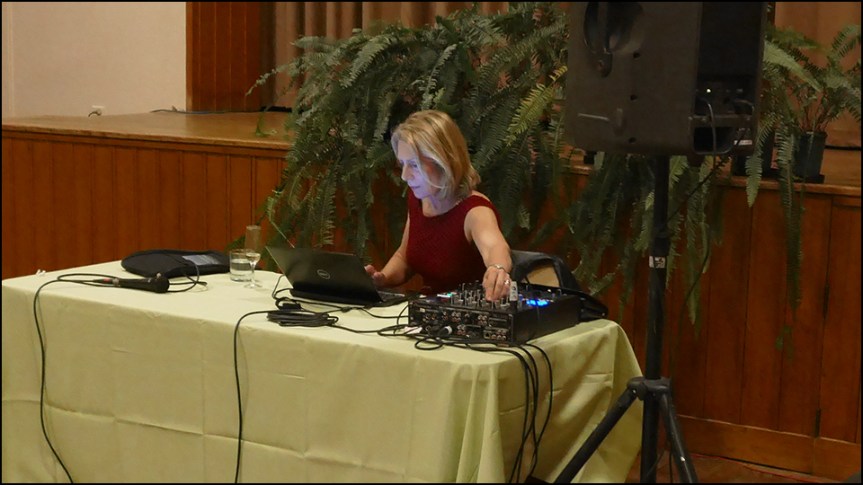
2019-03-26 - Pat Petronio DJs at Milonga Capital 2019

23 February saw Adelaide DJ Pat Petronio behind the deck at Milonga Capital 2019, and this week features the first hour of her exquisite playlist. That’s this Sunday on Tango Capital, 7:00pm to 8:00pm:

Image: Pat Petronio at Milonga Capital 2019

PLAYLIST:

Tanda 1: Tangos from Juan D’Arienzo: Ataniche (1936), El Flete (1936), and ¡Qué Noche! (1937).

                  Cortina: Billie Holiday; Please Don’t Talk About Me When I’m Gone

Tanda 2: Tangos from Francisco Canaro (1938): Derecho Viejo, Loca, and Pura Parada.

                  Cortina: Ray Charles; Unchain My Heart

Tanda 3: Valses from Miguel Caló (1942): Alberto Podestá singing Bajo Un Cielo De Estrellas, Raúl Berón singing El Vals Soñador, and Alberto Podestá singing Pedacito De Cielo.

                  Cortina: Dave Brubeck; Take Five

Tanda 4: Tangos from Ricardo Tanturi with Alberto Castillo singing (1941): La Vida Es Corta, El Moro, and Pocas Palabras.

                  Cortina: Dusty Springfield; Son Of A Preacher Man

Tanda 5: Tangos from Carlos Di Sarli: Roberto Rufino singing Lo Pasao Pasó (1940), Patotero Sentimental (1941), and Griseta (1941), and Carlos Acuña singing Cuando El Amor Muere (1941).

                  Cortina: The Supremes; Where Did Our Love Go

Tanda 6: Milongas: an instrumental version of Milonga De Los Fortines from Orquesta Típica Victor (1937), Qué Tiempo Aquel from Francisco Lomuto with Jorge Omar singing (1938), and Sacale Punta from Edgardo Donato with Horacio Lagos and Randona singing (1938).

                  Cortina: The Audreys; Banjo And Violin


Tango For Dancing

2019-03-21 - TFD BWR 1

Tango Capital returns to play the fourth Sunday of the month broadcasting a milongita playlist for dancers . That’s this Sunday on Tango Capital, 7:00pm to 8:00pm:

PLAYLIST:

Tanda 1: Tangos from Pedro Laurenz (1952): an instrumental version of Quejas De Bandoneón, followed by Alfredo Del Rio singing Cuando Me Entrés A Fallar and La Gayola.

Tanda 2: Milongas from Osvaldo Fresedo: instrumental versions of La Trampera (1951), La Puñalada (1952), and De Pura Cepa (1953).

Tanda 3: Tangos from Robert Firpo and Cuarteto: La Trilla (1936), El Moro (1937), and Felicia (1937).

Tanda 4: Electronica: Paredón (Malevo,2007 ) and Tres Son Multitud (Narcotango, 2006).

Tanda 5: Tangos from Lucio Demare (1945): Igual Qué Un Bandoneón, the instrumental Florcita, and Nos Encontramos Al Pasar, with Horacio Quintana singing the first and third pieces.

Tanda 6: Valses from Ánibal Troilo (1942): Acordandome De Vos, an instrumental version of Un Placer, and Pedacito De Cielo, with Francisco Fiorentino singing the first and third pieces.

Tanda 7: Tangos from Ricardo Tanturi (1944): with Enrique Campos singing Si Se Salva El Pibe, Sombrerito, and Y…Siempre Igual.


Dancing Milonga

2019-03-17 - Myk Dowling - Milonga

This edition is all about milonga – the dance, the music – and Canberra tanguero Myk Dowling talks about dancing milonga.  That’s this Sunday on Tango Capital, 7:00pm to 8:00pm:

  • broadcasting on 2xxfm 98.3 in Canberra,
  • streaming live and also on demand and streaming live from http://www.2xxfm.org.au

Image: Myk Dowling, Milonga-ing one night in March 2018.

PLAYLIST:

  • La Mulateada, meaning ‘The Afro-Argentine Woman’; recorded by Carlos Di Sarli on 20 November 1941; a milonga with music composed by Julio Eduardo Del Puerto, lyrics by Carlos Pesce, and sung by Roberto Rufino.
  • La Paloma (fragment), meaning ‘The Dove’;; a habanera.
  • No Hay Tierra Como La Mía, meaning ‘There Is No Land Like Mine’; recorded by Francisco Lomuto on 8 August 1939; a milonga with music composed by  Charlo in 1939, lyrics by Enrique Cadícamo, and sung by Fernando Díaz.
  • Milonga Sentimental, meaning ‘Sentimental Milonga’; recorded by Adolfo Carabelli on 30 December 1932; a milonga with music composed by Sebastián Piana in 1932, lyrics by Homero Manzi, and sung by Carlos Lafuente.
  • Milonguera, meaning ‘Tango Dancer’; recorded by Fabio Hager in 2011; a milonga with music composed by José Ogivieki and lyrics by Adela Balbín.
  • Azabache, meaning ‘Jet Black’; recorded by Miguel Caló on 29 September 1942; a candombe with music composed by Enrique Francini & Héctor Stamponi, lyrics by Homero Expósito, and sung by Raúl Berón.
  • Tango Negro, meaning ‘Black Tango’; recorded in 2001; a candombe with music composed by Juan Carlos Cáceres, lyrics by Juan Carlos Cáceres, and sung by Juan Carlos Cáceres.
  • De Pura Cepa, from lunfardo, meaning ‘Of Pure Stock’; recorded by Ánibal Troilo on 22 October 1942; a milonga with music composed by José Ceglie & Antonio Molina, first recorded in 1935 and lyrics by Osvaldo Sosa Cordero.
  • Reliquias Porteñas, meaning ‘Memories of Women of Buenos Aires’; recorded by Francisco Canaro on 14 July 1938; a milonga with music composed by Graciano De Leone and lyrics by Celadonio Flores.
  • Amor Que Se Baila, meaning ‘Love To Dance’;, from the collection ‘Otros Aires’ released in 2012, recorded by Otros Aires in 2012; a milonga.
  • Maldonado; recorded  by Pedro Laurenz on 9 December 1943; a milonga with music composed by Alberto Mastra in 1943, lyrics by Alberto Mastra, and sung by Alberto Podestá. The name is a reference to the rivulet of that name that runs through Buenos Aires, and is now ‘entubed’ to run underground and so prevent flooding.