
Roberto Maida

2019-03-08 - Roberto Maida

Last edition took a brief look at the short career of Roberto Maida, and this edition explores his legacy of recordings with Canaro in more detail. That’s this Sunday on Tango Capital, 7:00pm to 8:00pm:

  • broadcasting on 2xxfm 98.3 in Canberra,
  • streaming live and also on demand and streaming live from http://www.2xxfm.org.au

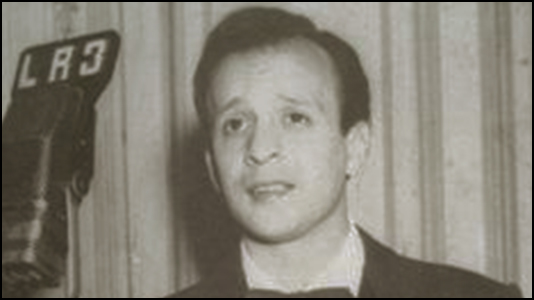
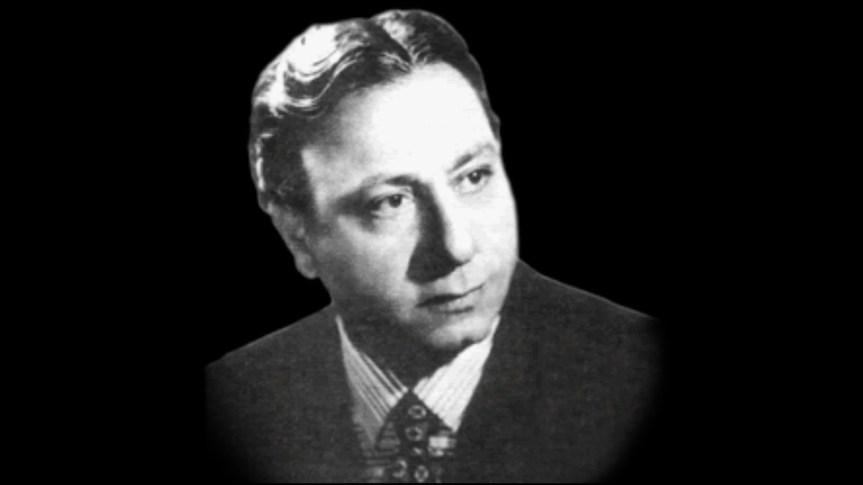
Image Credit: http://www.todotango.com/creadores/ficha/515/Roberto-Maida

PLAYLIST:

  • Alma Del Bandoneón, meaning ‘Soul Of The Bandoneón’, and also known as ‘Alma De Bandoneón’; recorded by Francisco Canaro on 20 March 1935; a tango with music composed by Enrique Santos Discépolo in 1935, lyrics by Luis César Amadori, and sung by Roberto Maida.
  • Noches De Buenos Aires, meaning ‘Nights Of Buenos Aires’; recorded by Francisco Canaro on 23 April 1935; a tango with music composed by Alberto Soifer in 1935, lyrics by Manuel Romero, and sung by Roberto Maida.
  • Siempre Tuya Seré, meaning ‘I Will Always be Yours’; recorded by Francisco Canaro on 18 July 1935; a vals sung by Roberto Maida.
  • Tú Y Yo, meaning ‘You And I’; recorded by Francisco Canaro on 16 August 1935; a vals with music composed by Francisco Canaro, lyrics by Ivo Pelay, and sung by Roberto Maida.
  • Milonga Criolla, meaning ‘Hispanic Milonga’; recorded by Francisco Canaro on 6 October 1936; a milonga with music composed by Alberto Soifer, lyrics by Manuel Romero, and sung by Roberto Maida.
  • Silueta Porteña, meaning ‘Silhouette Of A Woman Of Buenos Aires’; recorded by Francisco Canaro on 17 January 1936; a milonga with music composed by Nicolas Luis Cuccaro and Juan Ventura Curraro in 1936, lyrics by Orlando D’Aniello and Ernesto Noli, and sung by Roberto Maida.
  • Mi Vida, meaning ‘My Life’; recorded by Francisco Canaro on 3 June 1936; a vals with music composed by José Luís Padula, lyrics by Enrique Cadícamo, and sung by Roberto Maida.
  • Secreto De Amor, meaning ‘Secret Of Love’; recorded by Francisco Canaro on 18 March 1936; a vals with music composed by José Vázquez Vigo and Luís Gaulier in 1935, lyrics by Luís César Amadori, and sung by Roberto Maida.
  • Cariño Gaucho, meaning ‘Darling Gaucho’; recorded by Francisco Canaro on 18 November 1936; a tango with music composed by Francisco Canaro and Lucio Demare, lyrics by Claudio Martínez Payva, and sung by Roberto Maida.
  • Condena, meaning ‘Condemnation’, and also known as ‘SOS’; recorded by Francisco Canaro on 8 November 1937; a tango with music composed by Enrique Santos Discépolo and Francisco Pracánico in 1937, lyrics by Enrique Santos Discépolo, and sung by Roberto Maida. The name is a reference to a sentence for an illicit love – a love for an unsuspecting woman and her friendly husband. The alternative name is a cry for help in this intolerable situation.
  • Milonga De Antaño, meaning ‘Milonga Of Yore’; recorded by Francisco Canaro on 19 August 1937; a milonga with music composed by Francisco Rofrano, lyrics by Elisardo Besada, and sung by Roberto Maida.
  • Milonga Triste, meaning ‘Sad Milonga’; recorded by Francisco Canaro on 10 August 1937; a milonga with music composed by Sebastián Piana in 1929, lyrics by Homero Manzi, and sung by Roberto Maida.
  • El Triunfo De Tus Ojos, meaning ‘The Triumph Of Your Eyes’; recorded by Francisco Canaro on 7 October 1938; a vals with music composed by Juan Canaro, lyrics by Juan Canaro, and sung by Roberto Maida.
  • Romántica, meaning ‘Romantic Woman’; recorded by Francisco Canaro on 22 August 1938; a vals with music composed by Félix Lipesker, lyrics by Homero Manzi, and sung by Roberto Maida.
  • Milonga Brava, meaning ‘Tough Milonga’; recorded by Francisco Canaro on 20 June 1938; a milonga with music composed by Antonino Cipolla, lyrics by Celedonio Flores, and sung by Roberto Maida.
  • Milonga Del Corazón, meaning ‘Milonga Of The Heart’; recorded by Francisco Canaro on 3 March 1938; a milonga with music composed by Miguel Busino, lyrics by Miguel Bucino, and sung by Roberto Maida.
  • Nada Más, meaning ‘Nothing More’; recorded by Francisco Canaro on 22 August 1938; a tango with music composed by Juan D’Arienzo, lyrics by Luís Rubistein, and sung by Roberto Maida.

Entre Tango Duo

2019-02-28 - Entre Tangos CD.jpg

EntreTango Duo features the extraordinary voice of Elena Gonzalez backed by Elian Sellenes on piano, and this week introduces them by way of their recently released CD. And this week will also celebrate Roberto Maida, who was perhaps Canaro’s most iconic singer but before he joined Canaro at the age of 24 his CV already included Caló, the Malerba brothers, Fiorentino, Pizarro, Gardel, and regular jams with the Prince of Wales.

That’s this Sunday on Tango Capital, 7:00pm to 8:00pm:

Image: The cover of  Entre Tangos, the new CD from Entre Tango Duo.

CORRECTION: A slip of the tongue last night – I said 4 but there are actually 5 milongas scheduled over the Melbourne Tango Weekend on 29-31 March.

PLAYLIST:

  • Chiqué, meaning ‘Fancy’, and also known as ‘El Elegante’; recorded by Ánibal Troilo on 3 March 1944; a tango composed in 1920 with music and lyrics by Ricardo Luis Brignolo.
  • Poema, meaning ‘Poem’; recorded by Francisco Canaro on 11 June 1935; a tango with music composed by Mario Melfo in 1935, lyrics by Eduardo Bianco, and sung by Roberto Maida. That was of course the version played by request on 23 February at Milonga Capital 2019.
  • Te Odio, meaning ‘I Hate You’; recorded by Roberto Maida in 1930; a tango with music composed by Francisco Pracánico in 1929, lyrics by Celedonio Flores, and sung by Roberto Maida.
  • Yo Era Un Vovio Tranquilo, meaning ‘I Was An Easy Lover’; recorded by Alberto Castellanos in 1931; a tango with music composed by Roberto Maida, lyrics by Roberto Maida, and sung by Roberto Maida.
  • Mano A Mano, meaning ‘Hand To Hand’; recorded by Francisco Canaro on 13 December 1938; a tango with music composed by Carlos  Gardel and José Razzano in 1923, lyrics by Celedonio Flores, and sung by Roberto Maida.
  • En Voz Baja, meaning ‘In An Undertone’; recorded by Francisco Canaro on 19 February 1937; a vals with music composed by Germán Rogelio Teisseire, lyrics by Diego Perkins, and sung by Roberto Maida.
  • Flor De Lino, meaning ‘Flax Flower’; from the collection ‘Entre Tangos’ released in 2018, recorded by Entre Tango Duo in 2018; a vals with music composed by Héctor Stamponi in 1947, lyrics by Homero Expósito, and sung by Elena Gonzalez.
  • Dejame Que Me Vaya, meaning ‘Let Me Go’;, from the collection ‘Entre Tangos’ released in 2018, recorded by Entre Tango Duo in 2018; a chacarera with music composed by Cuti Carabajal, lyrics by Roberto Teman, and sung by Elena Gonzalez.
  • Malena, from the collection ‘Entre Tangos’ released in 2018, recorded by Entre Tango Duo in 2018; a tango electronico with music composed by Lucio Demare in 1942, lyrics by Homero Manzi, and sung by Elena Gonzalez. The name is a reference to a nightclub singer of that name.
  • Balada Para Un Loco, meaning ‘Song For A Lunatic’; from the collection ‘Entre Tangos’ released in 2018, recorded by Entre Tango Duo in 2018; a tango electronico with music composed by Astor Piazzolla, first recorded in 1968, lyrics by Horacio Ferrer, and sung by Elena Gonzalez.
  • Caminito, meaning ‘The Little Pathway’; from the collection ‘Entre Tangos’ released in 2018, recorded by Entre Tango Duo in 2018; a tango electronico with music composed by Juan de Dios Filiberto in 1926, and sung by Elena Gonzalez.
  • El Llorón, meaning ‘The Weeper’; recorded by Hugo Díaz in 1972; a milonga with music composed by Juan Félix Maglio in 1933 and lyrics by Enrique Cadícamo.


Tango For Dancing

2019-02-20 - TFD - RWB 1

Tango Capital returns to play the fourth Sunday of the month broadcasting a milongita playlist for dancers . That’s this Sunday on Tango Capital, 7:00pm to 8:00pm:

PLAYLIST:

Tanda 1: Tangos from Juan D’Arienzo (1956): with Alberto Echagüe singing La Tango, De Abolengo, and Esta Vida Es Puro Grupo.

Tanda 2: Milongas from Francisco Lomuto: with Fernando Díaz singing Parque Patricios (1941), Alberto Rivera singing Yo Soy Feliz (1944), and Fernando Díaz in duet with Jorge Omar singing Azabache (1942).

Tanda 3: Tangos from Miguel Caló: with Alberto Podestá singing Dos Fracasos (1941) and Yo Soy El Tango (1941), followed by an instrumental version of Inspiración (1943).

Tanda 4: Contemporary: Querer (Cirque Du Soleil, 1994) and Siempre Me Quedará (Bebé, 2004).

Tanda 5: Tangos from Osvalso Pugliese (1946): with Alberto Morán singing Demasiado Tarde, No Me Escribas, and Príncipe.

Tanda 6: Valses from Enrique Rodríguez: with Armando Moreno singing Con Tu Mirar (1941), Uno Que ha Diso Marino (1944), and Caballero De La Luna (1945).

Tanda 7: Tangos from Francisco Canaro (1939): with Ernesto Famá singing Qué Importa, Tormenta, and Vanidad.

Milonga Capital 2019

Milonga Capital - 2019

Milonga Capital is returning in 2019 to again bring a different profile to milongas in Canberra. Join us at Milonga Capital, with the very best in music selected by the interstate DJ Pat Petronio from Adelaide; enjoy supper and champenoise, and dance ’til late on one of the best dancefloors in Canberra.

WHEN: Saturday, 23 February, from 7:30pm

WHERE: St John’s Church Hall, 45 Constitution Avenue, Reid

TICKETS: At the door

Stephán Resch, New Zealand DJ

2019-02-14 - Stephan Resch, New Zealand DJ.jpg

New Zealand DJ Stephán Resch discusses his approach to DJing milongas.  That’s this Sunday on Tango Capital, 7:00pm to 8:00pm:

Image: Stephán Resch with me at BASH 2017.

PLAYLIST:

  • Comparsa Criolla, meaning ‘Meeting of Argentines’; recorded by Ricardo Tanturi on 16 June 1941; a tango with music composed by Rafael Iriarte, first recorded in 1930.
  • La Milonga De Mis Tiempos, meaning ‘The Milonga Of My Times’; recorded by Francisco Canaro on 23 May 1938; a milonga with music composed by Luís Riccardi.
  • Mandria, from lunfardo, meaning ‘Coward’; recorded by Juan D’Arienzo on 29 June 1957; a tango with music composed by Juan Carlos Rodríguez in 1926, lyrics by Francisco Brancatti and Juan Miguel Velich, and sung by Mario Bustos.
  • Sin Rumbo Fijo, meaning ‘Ever Carefree’; recorded by Orquesta Típica Victor on 18 April 1938; a vals with music composed by Hermes Romulo Peressini, lyrics by Eugenio Carrere, and sung by Ángel Vargas.
  • Verano Porteño, meaning ‘Summer Of Buenos Aires’; recorded by Osvaldo Pugliese on May 1966; a tango with music composed by Astor Piazzolla in 1965.
  • Fuimos, meaning ‘We Went’; recorded by Ánibal Troilo on 10 April 1946; a tango with music composed by José Dames, first recorded in 1945, lyrics by Homero Manzi, and sung by Alberto Marino.
  • Cotorrita De La Suerte, from lunfardo, meaning ‘Little Bird Of Luck’; recorded by Ánibal Troilo on 28 June 1945; a tango with music composed by Alfredo De Franco in 1927, lyrics by José Pedro de Grandis, and sung by Alberto Marino. The name is a reference to a prostitute dying of absinthe and disease – probably tuberculosis.
  • Me Quedé Mirándola, meaning ‘I Look At Her’; recorded by Ánibal Troilo on 27 March 1945; a tango with music composed by Vicente Spina, lyrics by Roberto Miro, and sung by Alberto Marino.
  • Sin Palabras, meaning ‘Without Words’; recorded by Ánibal Troilo on 22 October 1946; a tango with music composed by Mariano Mores in 1946, lyrics by Enrique Santos Discépolo, and sung by Alberto Marino.


Vicente Greco – the music

2019-02-07 - Vicente Greco y su Orquesta Tipica Criolla

Last edition identified the pivotal importance of Greco’s compositions as a leading figure in the Guardia Vieja, as tango transitioned from traditional to modern tango, and this edition explores his musical legacy in more detail. That’s this Sunday on Tango Capital, 7:00pm to 8:00pm:

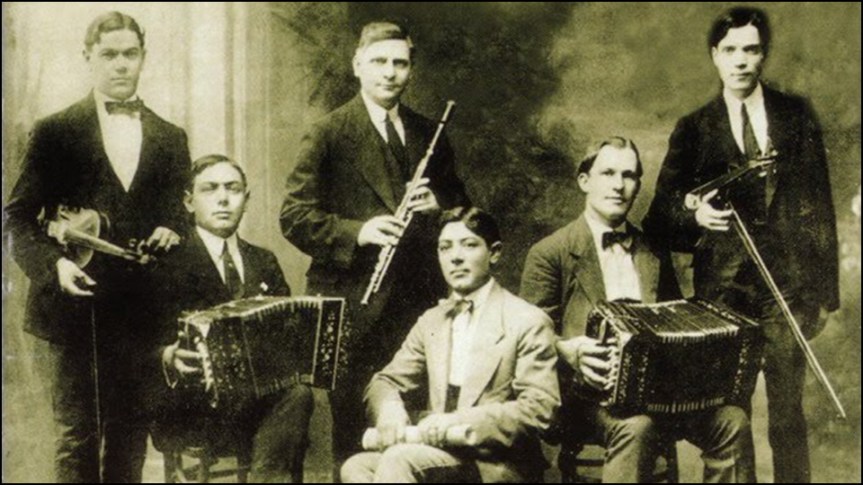
Image: The first orquesta típica criolla was Greco’s quintet; this image is from between 1911 and 1914. In the middle at the back is the flautist, Vicente Pecci, whose son followed him into tango. Seated in the middle without an instrument is Domingo Greco, Vicente’s elder brother, who played guitar and piano; the fact that he is not holding a guitar suggests that this photo was taken later rather than earlier – around 1913 or 1914. The two bandoneonistas are, on the right, Lorenzo Labissier, so respected by his peers that not 1 but 2 tangos were dedicated to him—El Chamuyo, by Canaro, and Lorenzo, by Agustín Bardi; on the left is of course, Vicente Greco. The image is flanked by two violinists, but only one played with the orquesta at a time; on the right is José Abbati, who went on to play with Pedro Maffia; on the left is a very young Francisco Canaro, who went on to become…Canaro! 

PLAYLIST:

  • Qué Nene, meaning ‘What A Baby’; recorded by Juan Félix Maglio in 1912; a tango with music composed by Vicente Greco and lyrics by Ernesto Temes.
  • Criollo Viejo, meaning ‘Old Argentinian’; recorded by Carlos Di Sarli on 8 May 1930; a tango with music composed by Vicente Greco, first recorded in 1926 and lyrics by Ernesto Temes.
  • El Flete, from lunfardo, meaning ‘The Light Horse’; recorded by Orquesta Típica Porteña  on 16 September 1930; a tango with music composed by Vicente Greco in 1916, lyrics by Gerónimo Gradito, and sung by Ernesto Famá. The name is a reference to the Spanish nautical charge for freighting ‘supercargo’, ie, passengers..
  • Estoy Penando, meaning ‘I Am Hurting’; recorded by Orquesta Típica Brunswick ? in 1931; a tango with music composed by Vicente Greco, first recorded in 1914 and lyrics by Ernesto Temes.
  • El Pibe, from lunfardo, meaning ‘The Lad’; recorded by Orquesta Típica Victor on 6 September 1933; a tango with music composed by Vicente Greco, first recorded in 1912 and lyrics by Ernesto Temes. The name is a reference to Prudencio Aragón, the pianist that Greco met in his early years playing in and around Rosario, and who became a lifelong colleague.
  • El Estribo, meaning ‘For The Road’; recorded by Rodolfo Biagi on 12 April 1940; a tango with music composed by Vicente Greco, first recorded in 1924 or earlier and lyrics by Ernesto Temes. The name is a reference to the nightclub of that name in Buenos Aires at which tango was played.
  • El Morochito, meaning ‘The Dark-haired Lad’; recorded by Enrique Rodríguez on 19 December 1941; a tango with music composed by Vicente Greco, first recorded in 1912 and lyrics by Gerónimo Gradito.
  • Racing Club, meaning ‘Racing Club’; recorded by Ángel D’Agostino on 29 March 1946; a tango with music composed by Vicente Greco in 1916 and lyrics by Ernesto Temes.
  • La Viruta, from lunfardo; recorded by Alfredo J Gobbi on 16 Mary 1947; a tango with music composed by Vicente Greco in 1912 and lyrics by Ernesto Temes. The name is a reference to the strong emotions evoked by the bandoneón and expressed through on the dancefloor.
  • PofPof, and also known as ‘Popoff’; recorded by Juan D’Arienzo on 23 September 1948; a tango with music composed by Vicente Greco.
  • Rodríguez Peña; recorded by Cambareri on 22 November 1950; a tango with music composed by Vicente Greco in 1911 and lyrics by Ernesto Temes. The name is a reference to the venue where it was first performed, which in turn was named after one of the supporters of independence.
  • Barba De Choclo, meaning ‘Beard Of Corn’; recorded by Carlos Di Sarli on 15 September 1952; a tango with music composed by Vicente Greco, first recorded in 1945 or earlier and lyrics by Carlos Pesce.
  • Ojos Negros, meaning ‘Dark Eyes’; recorded by Ánibal Troilo in 1953; a tango with music composed by Vicente Greco in 1917 and lyrics by Ernesto Temes.
  • El Cuzquito, from lunfardo, meaning ‘The Little Dog’; recorded by Firpo’s Cuarteto on 19 August 1954; a tango with music composed by Vicente Greco, first recorded in 1918 and lyrics by José Arolas.
  • Rodríguez Peña; recorded by Orquesta Juan D’Arienzo in 1987; a tango with music composed by Vicente Greco in 1911 and lyrics by Ernesto Temes. The name is a reference to the venue where it was first performed, which in turn was named after one of the supporters of independence.
  • La Viruta, from lunfardo;, from the collection ‘Envasado En Origen’ released in 2001, recorded by Fernandez Fierro in 2001; a tango with music composed by Vicente Greco in 1912 and lyrics by Ernesto Temes. The name is a reference to the strong emotions evoked by the bandoneón and expressed through on the dancefloor.
  • El Cuzquito, from lunfardo, meaning ‘The Little Dog’;, from the collection ‘La Máquina Tanguera’ released in 2003, recorded by Orquesta Típica Imperial in 2003; a tango with music composed by Vicente Greco, first recorded in 1918 and lyrics by José Arolas.
  • El Flete, from lunfardo, meaning ‘The Light Horse’;, from the collection ‘Bien Canyengue’ released in 2006, recorded by La tubatango in 2006; a tango with music composed by Vicente Greco in 1916 and lyrics by Gerónimo Gradito. The name is a reference to the Spanish nautical charge for freighting ‘supercargo’, ie, passengers.

Melbourne Tango

2019-01-30 - melbourne tango

December saw Melbourne tango come out in style, with Juan Veron de Astrada en canción con guitar, Tango Collusion Trio, and the Melbourne Tango Orquesta finishing their first year all playing at a brilliant milonga at the Czech Club, Melbourne, and this week features a full report and music. And the legacy of Vicente Greco features, as it does at pretty much every milonga.  That’s this Sunday on Tango Capital, 7:00pm to 8:00pm:

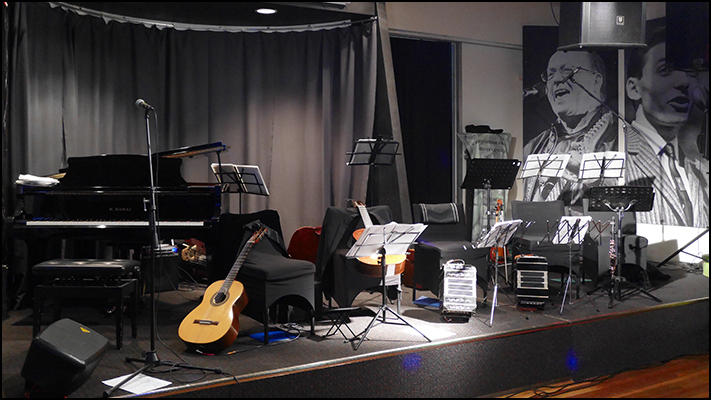
Image: Waiting, waiting… at the Czech Club in Melbourne, 16 November 2018 – there has never been so many instruments simultaneously on stage for a tango event in Australia. The Melbourne Tango Orquesta is:
Piano:  Amy Lynch
Bandoneon: Stephen Cuttriss, 1st Bandoneón, with Guest Bandoneón Lochlan Morrissey
Double Bass: Chris Gelok and Elise Winterflood
Violins: Caitlin French, Darryl Lee and Paloma Bica
Guitars: Julian Scheffer and Kirsty Eliza
Clarinet: Michael Danne
Voice: of Juan Manuel Veron De Astrada.

PLAYLIST:

  • Adíos, Buenos Aires, meaning ‘Good Bye, Buenos Aires’; recorded by Orquesta Típica Victor on 3 February 1938; a tango with music composed by Rodolfo Sciammarella in 1938, lyrics by Leopoldo Torres Ríos, and sung by Ángel Vargas.
  • Racing Club, meaning ‘Racing Club’; recorded by Carlos Di Sarli on 3 June 1930; a tango with music composed by Vicente Greco in 1916 and lyrics by Ernesto Temes.
  • Ojos Negros, meaning ‘Dark Eyes’; recorded by Francisco Canaro on 10 November 1932; a tango with music composed by Vicente Greco in 1917 and lyrics by Ernesto Temes.
  • El Incendio, meaning ‘The Fire’; recorded by Vicente Greco in 1911; a tango with music composed by Arturo De Bassi in 1911.
  • Rodríguez Peña; recorded by Adolfo Carabelli on 24 June 1932; a tango with music composed by Vicente Greco in 1911, lyrics by Ernesto Temes, and sung by Alberto Gómez. The name is a reference to the venue where it was first performed, which in turn was named after one of the supporters of independence.
  • La Viruta, from the lunfardo; recorded by Miguel Orlando in 1932; a tango with music composed by Vicente Greco in 1912 and lyrics by Ernesto Temes. The name is a reference to the strong emotions evoked by the bandoneón and expressed through on the dancefloor.
  • La Vieja Serenata, meaning ‘The Old Serenade’; recorded live at a milonga at the Czech Club, Melbourne on 16 November 2018; a vals with music composed by Teófilo Ibáñez, first recorded in 1949, lyrics by Sandalio Gómez, and sung by Juan Veron de Astrada.
  • Felicia; recorded live from a performance by Melbourne Tango Orquesta at a milonga at the Czech Club, Melbourne on 16 November 2018; a tango with music composed by Enrique Saborido, first recorded in 1927 and lyrics by Carlos Mauricio Pacheco. The name is a reference to a woman’s name.
  • La Yumba; recorded live from a performance by Melbourne Tango Orquesta at a milonga at the Czech Club, Melbourne on 16 November 2018; a tango with music composed by Osvaldo Pugliese, first recorded in 1946. The name is a reference to the heavy rhythmic notes of tango.
  • Pavadita, meaning ‘Little Trifle’; recorded live from a performance by Tango Collusion Trio at a milonga at the Czech Club, Melbourne on 16 November 2018; a tango with music composed by Anselmo A Aieta, first recorded in 1958.
  • Milonga De Mis Amores, meaning ‘Milonga Of My Loves’; recorded live from a performance by Tango Collusion Trio at a milonga at the Czech Club, Melbourne on 16 November 2018; a milonga with music composed by Pedro Laurenz in 1937 and lyrics by José María Contursi.


Tango For Dancing

2019-01-24 - TFD WBR 1

Tango Capital returns to play the fourth Sunday of the month broadcasting a milongita playlist for dancers . That’s this Sunday on Tango Capital, 7:00pm to 8:00pm:

PLAYLIST:

Tanda 1: Rodolfo Biagi (1941): milongas with Teófilo Ibañez singing Campo Afuera in 1939, Jorge Ortiz singing Cantando Se Van Las Penas (1940), and an instrumental version of Picante (1941).

Tanda 2: Miguel Caló (1943): with Raúl Iriate singing Verdemar, Marion, and Mañana Ire Temprano.

Tanda 3: Electronica from Gotan Project with Mi Confesión and Malevo with Paredón.

Tanda 4: Orquesta Típica Victor (1937): with Clavel Del Aire, El Entrerriano, and El Ponchazo.

Tanda 5: Juan D’Arienzo (1939): with Alberto Echagüe singing the valses Recuerdos De La Pampa, Ay Aurora, and Castigo.

Tanda 6: Osvaldo Pugliese: with Mala Junta (1943), El Rodeo (1943), and El Remate (1944).

Tanda 7: Rodolfo Biagi (1942): with La Cumparsita.


Thinking of starting a tango festival?

2019-01-17 - yuko kinoshita djing at tisp 2016

Back in 2008 Yuko Kinoshita had a vision of a new type of tango festival for Australia; a decade on hear her talk about the journey of taking Tango In The Spring from a personal vision to a staple of the Australian tango calendar. That’s this Sunday on Tango Capital, 7:00pm to 8:00pm:

Image: Yuko Kinoshita DJing at Tango In The Spring 2016, from Geoffrey Dunn, http://geoffreydunn.com.au

PLAYLIST:

  • Pa’ Qué Seguir, meaning ‘To Follow’; recorded by Miguel Caló on 19 January 1943; a tango with music composed by Francisco Fiorentino, first recorded in 1942, lyrics by Pedro Lloret, and sung by Jorge Ortiz.
  • Noche De Estrellas, meaning ‘Night Of Stars’; recorded by Francisco Canaro on 27 March 1939; a vals with music composed by José Luís Padula, lyrics by Enrique Cadícamo, and sung by Ernesto Famá.
  • Llora Vida Mía, meaning ‘My Life Weeps’; recorded by Ángel D’Agostino on 17 November 1942; a tango with music and lyrics composed by Enrique Cadícamo, and sung by Ángel Vargas.
  • Cascabelito, meaning ‘Little Bell’; recorded by Carlos Di Sarli on 6 June 1941; a tango with music composed by José Bohr in 1924, lyrics by Juan Andrés Caruso, and sung by Roberto Rufino.
  • La Noche Que Te Fuiste, meaning ‘The Night You Left’; recorded by Ánibal Troilo on 5 June 1945; a tango with music composed by Osmar Maderna in 1945, lyrics by José María Contursi, and sung by Floreal Ruíz.
  • Yo Soy De San Telmo, meaning ‘I Am From San Telmo’; recorded by Pedro Laurenz on 16 November 1943; a milonga with music composed by Arturo Gallucci, lyrics by Victorino Velasquez, and sung by Alberto Podestá. The name is a reference to the Buenos Aires inner suburb of San Telmo where tango evolved in the early 20th century.
  • Quejas De Bandoneón, meaning ‘Howl Of The Bandoneón’; recorded by Rodolfo Biagi on 7 October 1941; a tango with music composed by Juan de Dios Filiberto, first recorded in 1920.

Roberto Rufino – the singing

2019-01-10 - roberto rufino

Last edition explored the location of Roberto Rufino at the intersection of many of the influences that shaped modern tango. This edition explores his musical legacy in more detail. That’s this Sunday on Tango Capital, 7:00pm to 8:00pm:

Image Credit: https://tango.info/RoberRufin

PLAYLIST:

  • Los Muñequitos, meaning ‘The Dolls’, and also known as ‘San Fernando’; recorded by Carlos Di Sarli on 4 November 1943; a tango with music composed by Francisco Pracánico, lyrics by Oscar Rubens, and sung by Roberto Rufino.
  • Esta Noche De Luna, meaning ‘This Night Of The Moon’; recorded by Carlos Di Sarli on 17 December 1943; a tango with music composed by Graciano Gómez and José García, lyrics by Héctor Marcó, and sung by Roberto Rufino.
  • Tristeza Marina, meaning ‘Sadness Of The Sea’; recorded by Carlos Di Sarli on 7 September 1943; a tango with music composed by José Dames and Roberto Flores in 1943, lyrics by Horacio Sanguinetti, and sung by Roberto Rufino.
  • Verdemar, meaning ‘Sea-Green’; recorded by Carlos Di Sarli on 7 October 1943; a tango with music composed by Carlos Di Sarli in 1943, lyrics by José María Contursi, and sung by Roberto Rufino. The name is a reference to a dead lover, a woman with sea-green eyes.
  • A Mi Madre, meaning ‘To My Mother’; recorded by Francini-Pontier on 10 May 1948; a vals with music and lyrics composed by Francisco Peña, first recorded in 1928, and sung by Roberto Rufino.
  • A Su Memoria, meaning ‘To Your Memory’; recorded by Francini-Pontier on 5 March 1947; a vals with music composed by Antonio Sureda, first recorded in 1927, lyrics by Homero Manzi, and sung by Roberto Rufino.
  • El Bazar De Los Juguetes, meaning ‘The Market Of Toys’; recorded by Miguel Caló on 5 May 1954; a tango with music composed by Roberto Rufino and Alberto Podestá, first recorded in 1941, lyrics by Reinaldo Yiso, and sung by Alberto Podestá.
  • Calla, meaning ‘Be Quiet’; recorded by Alfredo Gobbi on 18 September 1956; a tango with music composed by Roberto Rufino in 1955, lyrics by Manuel Barros, and sung by Tito Landó.
  • Cómo Nos Cambia La Vida, meaning ‘How Life Changes Us’; recorded by Alfredo De Angelis on 6 May 1953; a tango with music composed by Roberto Rufino in 1942, lyrics by Elizardo Martínez Vilas, and sung by Oscar Larroca.
  • Eras Como La Flor, meaning ‘You Were Like The Flower’; recorded by Juan D’Arienzo on 22 December 1955; a tango with music composed by Roberto Rufino in 1955, lyrics by Mario César Arrieta, and sung by Armando Laborde.
  • Destino De Flor, meaning ‘Destiny Of A Flower’; recorded by Juan D’Arienzo on 29 June 1957; a tango with music composed by Roberto Rufino, lyrics by Alejandro Romay, and sung by Jorge Valdez.
  • Pena Mulata, meaning ‘Sad Woman Of Colour’; recorded by Carlos Di Sarli on 18 February 1941; a tango with music composed by Sebastián Piana in 1941, lyrics by Homero Manzi, and sung by Roberto Rufino.
  • La Mulateada, meaning ‘The Woman Of Colour’; recorded by Carlos Di Sarli on 20 November 1941; a milonga with music composed by Julio Eduardo Del Puerto, lyrics by Carlos Pesce, and sung by Roberto Rufino.
  • Los Despojos, meaning ‘The Remains’; recorded by Francini-Pontier on 11 June 1947; a milonga with music composed by José Dames, lyrics by Horacio Sanguinetti, and sung by Roberto Rufino.
  • Nunca Tuvo Novio, meaning ‘Never Had A Boyfriend’, and also known as ‘La que nunca tuvo novio, Pobre solterona’; recorded by Francini-Pontier on 29 September 1947; a tango with music composed by Agustín Bardi in 1924, lyrics by Enrique Cadícamo, and sung by Roberto Rufino.
  • Claveles Blancos, meaning ‘White Carnations’; recorded by Francini-Pontier on 3 February 1949; a tango with music composed by Armando Pontier, lyrics by José María Contursi, and sung by Roberto Rufino.
  • Canción Para Un Breve Final, meaning ‘Song For A Short Finish’; recorded by Francini-Pontier on 4 February 1948; a tango with music composed by Armando Pontier, lyrics by Homero Expósito, and sung by Roberto Rufino.