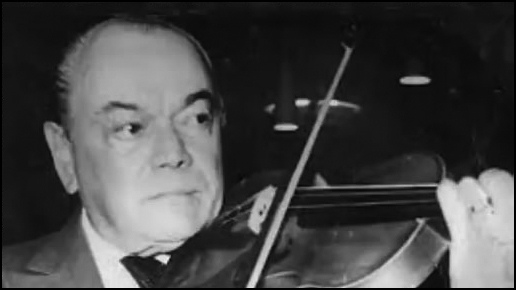

Stephen Cutriss, bandoneonista

2018-10-19 - Stephen Cutriss

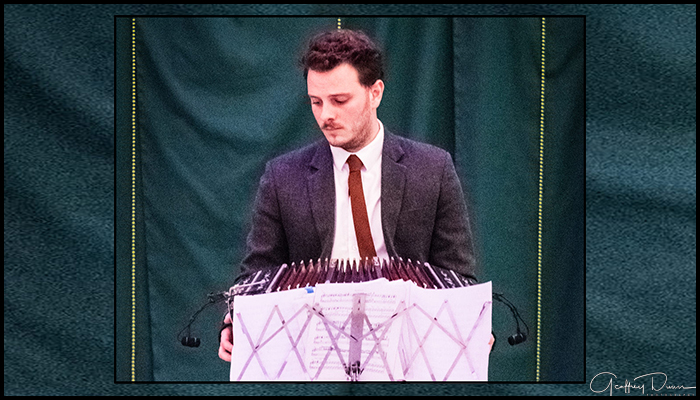
This week Tango Capital explores the reciprocal influences of ensemble size and musical style in conversation with bandoneonista Stephen Cutriss.

That’s this Sunday on Tango Capital, 7:00pm to 8:00pm:

Image credit: Stephen Cutriss playing at Milonga Capital, 22 September 2018, as seen by Geoffrey Dunn.

Photos can be viewed at this Dropbox link. You can contact Geoffrey Dunn directly for high-quality and unwatermarked versions: geoffrey@geoffreydunn.com.au

PLAYLIST:

  • Bahia Blanca, meaning ‘White Bay’; recorded by Carlos Di Sarli on November 1958; a tango with music composed by Carlos Di Sarli, first recorded in 1957. The name is a reference to the city in which the composer, Carlos Di Sarli, was born -Bahia Blanca, on the bay of the same name.
  • Loca, meaning ‘Mad Woman’; recorded by Juan D’Arienzo on 22 December 1955; a tango with music composed by Manuel Jovés in 1922 and lyrics by Antonio Viergol.
  • Pata Ancha, from lunfardo, meaning ‘Wide Legs’; recorded by Osvaldo Pugliese on 13 May 1957; a tango with music composed by Mario Demarco. The name is a reference to facing a risky situation, as a criollo knife fighter would face a fight with weight balanced on feet spaced apart.
  • Salteño Viejo, meaning ‘Old Man From Salta’; recorded by Chaqueño Palavecino in 1997; a zamba with music and lyrics composed by Jose Jacobo Botelli, first recorded in 1967, and sung by Chaqueño Palavecino.
  • Chacarera De Las Piedras, meaning ‘Chacarera Of The Rocks’; recorded by Hugo Torres on 19 August 2014; a chacarera with music composed by Pablo De Cerro, first recorded in 1992, lyrics by Atahualpa Yupanqui, and sung by Hugo Torres. The name is a reference to the rocky mountainous terrain of western Argentina.
  • Pavadita, meaning ‘Little Trifle’; recorded by Tango Collusion Trio on 17 October 2018; a tango with music composed by Anselmo A Aieta, first recorded in 1958.
  • Negracha, meaning ‘Miserable Black Woman’; recorded by Tango Collusion Trio on 17 October 2018; a tango with music composed by Osvaldo Pugliese, first recorded in 1948.
  • Nueve Puntos, meaning ‘Nine Points’, and also known as ‘9 Puntos’; recorded by Tango Collusion Trio on 17 October 2018; a tango with music composed by Francisco Canaro, first recorded in 1920.

Alfredo J. Gobbi (the son) – the music

2018-10-14 - Gobbi

Last edition introduced the life and professional careers of the Monteleone brothers, contrabajistas who played in a range of top orquestas, but there was only one that they both played in—that of Alfredo Gobbi, the son. This edition will take a longitudinal look at the music of Alfredo J. Gobbi. That’s this Sunday on Tango Capital, 7:00pm to 8:00pm:

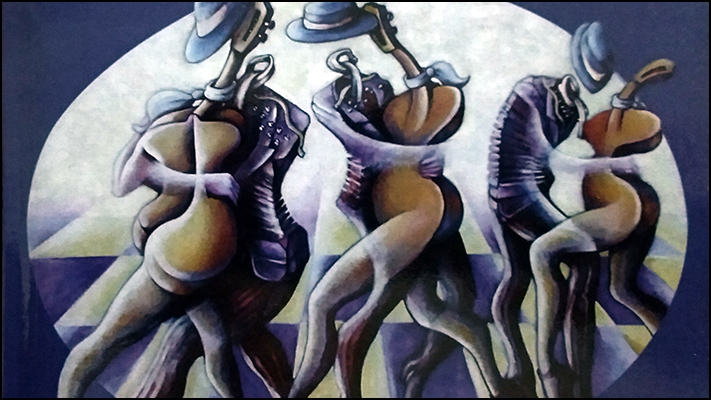
Image credit: buenosairestangoclub.com; query, Osvaldo Monteleone standing on left.

PLAYLIST:

  • Jueves, meaning ‘Thursday’; recorded by Alfredo J. Gobbi on 30 July 1947; a tango with music composed by Rafael Rossi and Udelino Toranzo, first recorded in 1919.
  • La Viruta, meaning ‘The Sliver’; recorded by Alfredo J. Gobbi on 16 May 1947; a tango with music composed by Vicente Greco in 1912 and lyrics by Ernesto Temes.
  • El Incendio, meaning ‘The Fire’; recorded by Alfredo J. Gobbi on 31 January 1948; a tango with music composed by Arturo De Bassi, first recorded in 1911.
  • Independiente Club , meaning ‘Independence Club’; recorded by Alfredo J. Gobbi on 8 September 1948; a tango with music composed by Agustín Bardi.
  • La Entrerriana, meaning ‘Woman From Entre Ríos Province’; recorded by Alfredo J. Gobbi on 16 May 1947; a vals with music and lyrics composed by Alfredo E Gobbi, first recorded in 1927, and sung by Carlos Heredia and Hugo Soler.
  • Tu Amargura, meaning ‘Your Bitterness’, and also known as ‘Amargura’; recorded by Alfredo J. Gobbi on 25 July 1949; a vals with music and lyrics composed by Laureano Martínez Smart, and sung by Jorge Maciel and Ángel Díaz.
  • Muchachos Yo Tengo Un Tango, meaning ‘Lads I Have A Tango’; recorded by Alfredo J. Gobbi on 12 May 1948; a tango with music and lyrics composed by Natty Paredes, and sung by Pablo Lozano.
  • Qué Fácil Es Decir, meaning ‘That’s Easy To Say’; recorded by Alfredo J. Gobbi on 16 July 1956; a tango with music composed by Rodolfo Sciammarella, first recorded in 1936, lyrics by Tabanillo, and sung by Tito Landó.
  • El Inquilino, meaning ‘The Tenant’; recorded by Alfredo J. Gobbi on 16 July 1956; a milonga with music composed by Javier Mazzea, lyrics by Carlos Lucero, and sung by Alfredo del Río.
  • .. Algún Día, meaning ‘And…Some Day’; recorded by Alfredo J. Gobbi on 16 May 1957; a tango with music composed by Héctor Francisco Lerrera, first recorded in 1956, lyrics by Abel Aznar, and sung by Mario Béltran.
  • Reflexionemos , meaning ‘Let’s Reflect’; recorded by Alfredo J. Gobbi on 18 October 1957; a tango with music and lyrics composed by Juan Pablo Marín, and sung by Carlos Yanel.
  • Estrellita Del Sur, meaning ‘Little Star Of The South’; recorded by Alfredo J. Gobbi on 26 June 1951; a vals peruano with music and lyrics composed by Felipe Coronel Rueda, and sung by Jorge Maciel and Héctor Coral.
  • Aunque Sea Mujer , meaning ‘Even Though A Woman’, and also known as ‘Aunque Seas Mujer ‘; recorded by Alfredo J. Gobbi on 9 June 1953; a vals with music composed by Arturo Gallucci, lyrics by Abel Aznar, and sung by Carlos Almada.
  • Chuzas, meaning ‘Rat’s Tails’; recorded by Alfredo J. Gobbi on 21 December 1949; a tango with music composed by Agustín Bardi.
  • Racing Club, meaning ‘Racing Club’; recorded by Alfredo J. Gobbi on 13 October 1949; a tango with music composed by Vicente Greco, first recorded in 1916 and lyrics by Ernesto Temes.
  • La Catrera, meaning ‘The Bed’; recorded by Alfredo J. Gobbi on 26 April 1951; a tango with music composed by Arturo De Bassi, first recorded in 1912.
  • Nueve Puntos, meaning ‘Nine Points’, and also known as ‘9 Puntos’; recorded by Alfredo J. Gobbi on 3 April 1952; a tango with music composed by Francisco Canaro, first recorded in 1920.
  • Pelele, meaning ‘Doll’; recorded by Alfredo J. Gobbi on 18 April 1950; a tango with music composed by Pedro Maffia, first recorded in 1923.


A Pickpocket’s History Of Argentine Tango

2018-10-04 - Victor Levant - A Pickpockets History of Argentine Tango

The second edition of A Pickpocket’s History Of Argentine Tango features; there is a round-up of what is happening around Australia over coming months; and there is a brief look at the musical contribution of contrabajista Osvaldo Monteleone with Alfredo Gobbi, Mario De Marco, and Florindo Sassone. That’s this Sunday on Tango Capital, 7:00pm to 8:00pm:

Image: From the front cover of my copy of Victor Levant’s A Pickpocket’s History Of Argentine Tango”, published 2003, second edition self-published 2010.

PLAYLIST:

  • Orgullo Criollo, meaning ‘Native Argentine Pride’; recorded by Astor Piazzolla on 7 October 1946; a tango with music composed by Pedro Laurenz and Julio De Caro, first recorded in 1928.
  • Independiente Club, meaning ‘Club Independent’; recorded by Alfredo Gobbi jnr on 8 September 1948; a tango with music composed by Agustín Bardi.
  • Inspiración, meaning ‘Inspiration’; recorded by Osmar Maderna on 2 February 1950; a tango with music composed by Peregrino Paulos in 1929 and lyrics by Luis Rubistein.
  • Mal De Amores, meaning ‘Lovesickness’; recorded by Mario DeMarco on 8 August 1952; a tango with music composed by Pedro Laurenz, first recorded in 1928.
  • El Chamuyo, meaning ‘The Quiet Conversation’; recorded by Florindo Sassone on 16 April 1970; a tango with music composed by Francisco Canaro, first recorded in 1918.
  • Al Compás Del Corazón, meaning ‘To The Beat Of The Heart’; recorded by Miguel Caló on 29 April 1942; a tango with music composed by Domingo Federico in 1942, lyrics by Homero Expósito, and sung by Raúl Beron.
  • Trasnochando, meaning ‘Staying Out Late’; recorded by Ángel D’Agostino on 15 June 1942; a tango with music composed by Armando Baliotti, lyrics by Santiago Luis D Adamini, and sung by Ángel Vargas.
  • Soñar Y Nada Más, meaning ‘To Hear And Nothing More’; recorded by Alfredo De Angelis on 29 August 1944; a vals with music composed by Francisco Canaro, first recorded in 1943, lyrics by Ivo Pelay, and sung by Carlos Dante and Julio Martel.
  • Uno, meaning ‘One’; recorded by Aníbal Troilo on 30 June 1943; a tango with music composed by Mariano Mores in 1943, lyrics by Enrique Santos Discépolo, and sung by Alberto Marino.
  • Por Una Cabeza, meaning ‘By A Head’; recorded by Terig Tucci on 19 March 1935; a cancion with music composed by Carlos Gardel in 1935, lyrics by Alfredo Le Pera, and sung by Carlos Gardel. The name is a reference to a horse losing a race ‘by a head’, with a parallel allusion to the toss of a woman’s head as she attracts the gambler’s attention, inviting him back to try his luck one more time – whether on the track, or in love.

Milonga Capital 2018 (I)

2018-09-27 - Milonga Capital - Dancefloor

The fifth Sunday of the month features special editions, and this month features music from Tango Capital’s party for its second birthday, with the first half of the DJ sets of Milonga Capital, played in Canberra at the National Museum of Australia on 22 September. That’s this Sunday on Tango Capital, 7:00pm to 8:00pm:

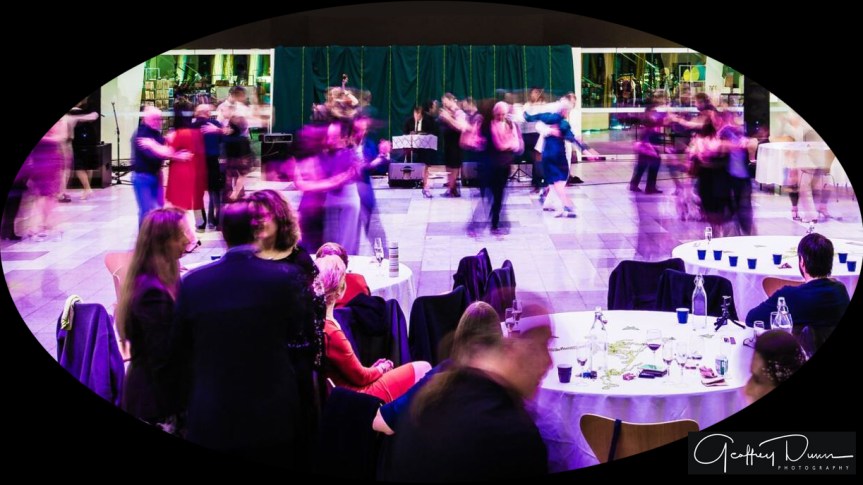
Image Credit: Geoffrey Dunn’s view of the pista de baile at Milonga Capital.

Photos can be viewed at the this Dropbox link. You can contact Geoffrey Dunn directly for high-quality and unwatermarked versions: geoffrey@geoffreydunn.com.au

PLAYLIST:

Tanda 1: Enrique Rodríguez (1943), with Armando Moreno singing Marinero, Por Eso Canto Yo, Qué Lento Corre El Tren, and Qué Lo Sepa El Mundo Entero.

Tanda 2: Lucio Demare (1942), with Juan Carlos Miranda singing Malena, Mañana Zarpa Un Barco, Pa’ Mí Es Igual, and Sorbos Amargos.

Tanda 3: Francisco Canaro (1938), with Roberto Maida singing Al Son Del Acordeón, Corazón De Oro, Aura Que No Ve La Vieja, and El Triunfo De Tus Ojos.

Tanda 4: Alfredo De Angelis, with Oscar Larocca singing Almagro in 1951, and Prohibido, Visión, and Volvamos A Empezar in 1953.

Tango @ The Tradies

TATT logo 2

Tango Capital returns to play the fourth Sunday of the month broadcasting a milongita playlist to dancers at Tango @ The Tradies, in Dickson. That’s this Sunday on Tango Capital, 7:00pm to 8:00pm:

Image: tango at The Tradies, 2 Badham St, Dickson ACT 2602

PLAYLIST:

Tanda 1: Carlos Di Sarli (1931), with Ernesto Famá singing La Baguala, Sobre El Pucho, and then the instrumental Una Noche De Garufa.

Tanda 2: Rodolfo Biagi (1938), with Teófilo Ibañez singing Viejo Portón, Lejos De Ti, Loca De Amor.

Tanda 3: Francisco Canaro (1938), with Roberto Maida singing: Ave De Paso, Callecita De Mi Novia, El Adiós.

Tanda 4: Juan D’Arienzo (1938), with Alberto Echagüe singing Milonga Del Corazón, Milonga Querida, Estampa De Varon.

Tanda 5: Ánibal Troilo (1942), with Francisco Fiorentino singing Buenos Aires, El Encopao, Lejos De Buenos Aires.

Tanda 6: Narcotango (2010), Ví Luz Y Subí, Otra Luna.

Tanda 7: Ricardo Tanturi (1945), with Enrique Campos singing Anselmo Laguna, Cuatro Recuerdos, Ivón.


Tricia Lewis, DJ – take 2

2018-09-14- International tango DJ Tricia Lewis at a milonga in The Netherlands

This week closes the interview with Canberran DJ Tricia Lewis talking further about her international experience of DJing tango, accompanied by a selection of music chose by Tricia. That’s this Sunday on Tango Capital, 7:00pm to 8:00pm:

Image Credit: Tricia Lewis dancing in The Netherlands, by Jacob Braaksma; 2017 –  https://www.facebook.com/jacob.braaksma.9?tn-str=*F

PLAYLIST:

  • Argañaraz; recorded by Ricardo Tanturi on 18 November 1940; a tango with music composed by Roberto Firpo in 1913 and lyrics by Enrique Cadícamo. There is a street named Pasaje Gral F Argañaraz in Buenos Aires, suggesting that the song is named for one of the heros of the wars of independence; a less likely reference is to Francisco de Argañaraz y Murguía, who in 1593 founded the first Spanish settlement in Jujuy province, a province that was the site of important battles during those wars as the Spanish fought from Peru. Alternatively the song may be named for the locality around the street in Buenos Aires, perhaps with a bar in which some people met. The historical context is supported by the clear reference in the lyrics to the Afro-Argentine Bernardo Monteagudo, an important figure in the shaping of Argentina’s independence, but overall the lyrics are a wistful reflection on a long-gone social environment in Buenos Aires (the second verse clearly describes the urban dance of tango canyengue) and so do not help resolve the origin of the title as they were written around 1930 under a different title—Aquellos Farras, meaning ‘Those Things’.
  • Didí; recorded by Rodolfo Biagi on 21 October 1941; a tango with music composed by Roberto Firpo, first recorded in 1915.
  • Pa’ Qué Seguir, meaning ‘To Follow’; recorded by Miguel Caló on 19 January 1943; a tango with music composed by Francisco Fiorentino, first recorded in 1942, lyrics by Pedro Lloret, and sung by Jorge Ortiz.
  • La Milonga De Mis Perros, meaning ‘The Milonga Of My Dogs’; recorded by Francisco Canaro on 22 April 1942; a milonga with music composed by Francisco Canaro, lyrics by Ivo Pelay, and sung by Carlos Roldán.
  • La Mulateada, meaning ‘The Mulatto Woman’; recorded by Carlos Di Sarli on 20 November 1941; a milonga with music composed by Julio Eduardo Del Puerto, lyrics by Carlos Pesce, and sung by Roberto Rufino.
  • El Puntazo, meaning ‘The Wound’; recorded by Juan D’Arienzo on 13 August 1952; a tango with music composed by Alejandro Junnissi.
  • Viviani; recorded by Carlos Di Sarli on 19 December 1956; a tango with music composed by Roberto Firpo, first recorded in 1920.
  • El Rey Del Compás, meaning ‘The King Of The Beat’; recorded by Juan D’Arienzo on 12 September 1941; a tango with music and lyrics composed by Príncipe Cubano, first recorded in 1939.
  • Pobre Flor, meaning ‘Poor Flower’; recorded by Alfredo De Angelis on 7 January 1946; a vals with music composed by Luis Mottolese, first recorded in 1932, lyrics by Victor Spindola, and sung by Carlos Dante and Julio Martel.
  • La Shunca; recorded by Edgardo Donato on 21 January 1941; a vals with music composed by Lorenzo Barcelata, lyrics by Ernesto Cortázar, and sung by Horacio Lagos, Lita Morales, and Romeo Gavioli.
  • 24 De Agosto, meaning ’24th Of August’; recorded by Pedro Laurenz on 16 April 1943; a tango with music composed by Pedro Laurenz, lyrics by Homero Manzi, and sung by Alberto Podestá. The date of 24 August in the name is not significant; it is simply a date, in the context of the song the date that his wife left him because of his violence.
  • A Roberto Peppe, meaning ‘To Roberto Peppe’; recorded by Osvaldo Pugliese on 20 March 1956; a tango with music composed by Estban Enique Gilardi. The name is a reference to Pugliese’s bandoneonista, from 1951 until his death on 29 November 1955.


Francisco Canaro – the music (well, some of it)

2018-09-06 - Francisco Canaro.jpg

Last edition introduced the life of Francisco Canaro,  and this edition will take a longitudinal look at his music.  That’s this Sunday on Tango Capital, 7:00pm to 8:00pm:

Image credit: “OTS-Canaro” by Archivo General de la Nación. Licensed under Public Domain via Commons – https://commons.wikimedia.org/wiki/File:OTS-Canaro.jpg#/media/File:OTS-Canaro.jpg

PLAYLIST:

  • La Última Copa, meaning ‘The Last Cup’; recorded by Francisco Canaro on 23 March 1927; a tango with music composed by Francisco Canaro in 1925, lyrics by Juan Andrés Caruso, and sung by Agustín Irusta.
  • Nobleza De Arrabal, meaning ‘Nobility Of The Slums’; recorded by Francisco Canaro on 29 April 1927; a tango with music composed by Francisco Canaro in 1919 and lyrics by Homero Manzi and Juan Andrés Caruso.
  • La Tablada, meaning ‘The Stock Yards’; recorded by Francisco Canaro on 23 December 1929; a tango with music composed by Francisco Canaro, first recorded in 1927.
  • Noches De Amor, meaning ‘Nights Of Love’; recorded by Francisco Canaro on 27 July 1927; a vals with music composed by Francisco Canaro.
  • Soñar Y Nada Más, meaning ‘To Hear And Nothing More’; recorded by Francisco Canaro on 5 May 1943; a vals with music composed by Francisco Canaro, lyrics by Ivo Pelay, and sung by Eduardo Adrián and Carlos Roldán.
  • Yo No Sé Que Me Han Hecho Tus Ojos, meaning ‘I Know Not What Your Eyes Made Me Do’; recorded by Francisco Canaro on 11 March 1953; a vals with music and lyrics composed by Francisco Canaro, first recorded in 1930, and sung by Alberto Arenas and Mario Alonso.
  • Dejame, No Quiero Verte Más, meaning ‘Leave Me, I Do Not Want To See You Any More’; recorded by Francisco Canaro on 28 May 1947; a tango with music and lyrics composed by Francisco Canaro, Mariano Mores, and Ivo Pelay in 1936, and sung by Nelly Omar.
  • Te Quiero, meaning ‘I Desire You’; recorded by Francisco Canaro on 14 July 1932; a tango with music and lyrics composed by Francisco Canaro in 1932, and sung by Ada Falcón.
  • Mano Brava, meaning ‘Strong Hand’; recorded by Quinteto Pirincho on 22 November 1940; a tango with music composed by Francisco Canaro and Juan Canaro, first recorded in 1918.
  • El Pollito, meaning ‘The Chick’; recorded by Quinteto Pirincho on 31 July 1947; a tango with music composed by Francisco Canaro, first recorded in 1927.
  • El Chamuyo, meaning ‘The Conversation’; recorded by Quinteto Pirincho on 1 August 1950; a tango with music composed by Francisco Canaro, first recorded in 1918.
  • Milonga Criolla, meaning ‘Local Milonga’; recorded by Francisco Canaro on 6 October 1936; a milonga with music composed by Francisco Canaro, first recorded in 1927, and sung by Roberto Maida.
  • La Milonga De Buenos Aires, meaning ‘The Milonga Of Buenos Aires’; recorded by Francisco Canaro on 9 October 1939; a milonga with music composed by Francisco Canaro, lyrics by Ivo Pelay, and sung by Ernesto Famá.
  • Milongón, meaning ‘Milongón’; recorded by Francisco Canaro on 20 June 1938; a milongón with music composed by Francisco Canaro and lyrics by Homero Manzi . The name is a reference to Canaro’s invented new dance rhythm that unfortunately did not take off with the dancing public.
  • El Opio, meaning ‘Opium’; recorded by Francisco Canaro on 23 October 1931; a tango with music composed by Francisco Canaro, first recorded in 1931.
  • Café Para Dos, meaning ‘Coffee For Two’; recorded by Francisco Canaro on 25 September 1956; a tango with music and lyrics composed by Francisco Canaro, and sung by Guillermo Rici.
  • Adiós, Pampa Mía, meaning ‘Good-bye, My Pampa’; recorded by Francisco Canaro on 29 November 1951; a tango with music and lyrics composed by Francisco Canaro, Mariano Mores, and Ivo Pelay in 1945. The name is a reference to the fertile Argentine plains that were the source of much agricultural wealth and which had been mythologised as a bastion of Argentine values and virtues.


SADAIC

2018-09-02 - SADAIC

Why was this organisation so important to tango? Find out this Sunday, and then relax to Canaro. That’s this Sunday on Tango Capital, 7:00pm to 8:00pm:

Image credit: https://www.sadaic.org.ar

PLAYLIST:

  • Emancipación, meaning ‘Emanciation’; recorded by Osvaldo Pugliese on 2 September 1955; a tango with music composed by Alfredo Bevilacqua, first recorded in 1912 and lyrics by Antonio Polito.
  • Tango Del Querer, meaning ‘Tango Of Love’; recorded by Adolfo Carabelli on 5 February 1932; a tango with music composed by Andrés Domenech, lyrics by Ricardo E Lleras, and sung by Alberto Vila and Albero Gómez.
  • Lonjazos, meaning ‘Riding Crop’; recorded by Rodolfo Biagi on 7 December 1943; a rezo gaucho with music composed by Andrés Domenech in 1932, lyrics by Jesús Fernández Blanco, and sung by Carlos Acuña.
  • Va A Cantar Un Ruiseñor, meaning ‘A Nightingale Goes To Sing’; recorded by Carlos Di Sarli on 12 November 1942; with music composed by Andrés Domenech, first recorded in 1942, lyrics by Carlos Pesce, and sung by Alberto Podestá.
  • La Culpa La Tuve Yo, meaning ‘The Guilt I Had’; recorded by Domingo Federico on 10 April 1944; a tango with music composed by Andrés Domenech, first recorded in 1943, lyrics by Adolfo Rafael Avilés, and sung by Ignacio Díaz.
  • Pinta Brava, from lunfardo, meaning ‘Tough Show-off’; recorded by Francisco Canaro on 12 May 1933; a tango with music composed by Francisco Canaro. The name is a reference to an ostentatiously presented woman.
  • Matasano, meaning ‘Quack’; recorded by Roberto Firpo on 4 July 1937; a tango with music composed by Francisco Canaro in 1914. The name is a reference to the medical students for whom the piece was written.
  • Milonga Sentimental, meaning ‘Sentimental Milonga’; recorded by Francisco Canaro on 9 February 1933; a milonga with music composed by Sebastián Piana in 1932, lyrics by Homero Manzi, and sung by Ángel Ramos and Ernesto Famá.
  • Milonga del 900, meaning ‘Milonga of the 900’; recorded by Francisco Canaro on 8 May 1933; a milonga with music composed by Sebastián Piana in 1930, lyrics by Homero Manzi, and sung by Ernesto Famá.
  • Yo Me Llamo Juan Te Quiero, meaning ‘My Name Is Juan; I Love You’; recorded by Francisco Canaro on 22 May 1934; a milonga with music composed by Antonio Molina, lyrics by Fernando Silva Valdés, and sung by Ernesto Famá.
  • Madreselva, meaning ‘Honeysuckle’; recorded by Francisco Canaro on 26 November 1951; a tango with music composed by Francisco Canaro in 1930, lyrics by Luis César Amadori, and sung by Mario Alonso.

Tango @ The Tradies

TATT logo

As part of the new programming format Tango Capital is playing the fourth Sunday of the month broadcasting a milonga playlist to dancers at Tango @ The Tradies, in Dickson. That’s this Sunday on Tango Capital, 7:00pm to 8:00pm:

Image: Tango at The Tradies, 2 Badham St, Dickson ACT 2602 – every Sunday from 5:30pm

PLAYLIST:

Tanda 1: Tango – Edgardo Donato (1937), with Horacio Lagos singing Gato, Hacete Cartel, No Te Cases

Tanda 2: Vals – Miguel Caló with Raúl Iriarte singing El Mismo Dolor (1945), No Te Olvides De Mi Corazón (1945), Flor De Lino  (1946)

Tanda 3: Tango – Aníbal Troilo (1943), with Francisco Fiorentino singing the tangos Percal, Margarita Gauthier, Orquestas De Mi Ciudad

Tanda 4: Milonga – Juan D’Arienzo (1939), with Alberto Echagüe singing De Antaño, La Cicatriz, Milonga Del Recuerdo

Tanda 5: Tango – Alfredo De Ángelis (1945), with Carlos Dante & Julio Martel singing Pregonera (1945), Remolino (1946),  Pastora (1948)

Tanda 6: Contemporary – Gotan Project (2006), Lunático, Carlos Libedinsky (2006), Tre Son Multitud

Tanda 7: Tango – Rodolfo Biagi (1941), with Jorge Ortiz singing Ahora No Me Conocés, Carillón De La Merced, Pájaro Ciego

Tricia Lewis, DJ


Tricia Lewis, DJ

This week Canberran DJ talks about her international experience of DJing tango and introduces us to how she constructs a tanda. That’s this Sunday on Tango Capital, 7:00pm to 8:00pm:

Image: Trish at the deck at Las Vacas Locas milonga in Canberra, 4 August 2018.

PLAYLIST:

  • Carnavalito, meaning ‘Little Carnival’; recorded by Lucio Demare on 9 January 1943; a milonga with music and lyrics composed by Machingo Ábalos and Adolfo Ábalos, and sung by Raül Beron.
  • Soñar Y Nada Más, meaning ‘To Dream And Nothing More’; recorded by Alfredo De Angelis on 29 August 1944; a vals with music composed by Francisco Canaro, first recorded in 1943, lyrics by Ivo Pelay, and sung by Carlos Dante and Julio Martel.
  • ¿Que Importa?, meaning ‘Does It Matter?’; recorded by Juan D’Arienzo on 27 September 1939; a tango with music composed by Ricardo Tanturi, lyrics by Juan Carlos Thorry, and sung by Alberto Echagüe.
  • Tu Diagnóstico, meaning ‘Your Diagnosis’; recorded by Ánibal Troilo on 9 October 1941; a vals with music and lyrics composed by José Betinotti, first recorded in 1921, and sung by Francisco Fiorentino. The diagnosis is, of course, lovesickness.
  • Saca Chispas, meaning ‘Put Out The Spark’; recorded by Julio De Caro on 10 March 1938; a milonga with music composed by Julio De Caro, and sung by Luis Díaz.
  • Tormenta, meaning ‘Torment’; recorded by Francisco Canaro on 28 March 1939; a tango with music and lyrics composed by Enrique Santos Discépelo, and sung by Ernesto Famá.
  • Clavel Del Aire, meaning ‘Carnation Of The Air’; recorded by Orquesta Típica Victor on 14 August 1937; a tango with music composed by Juan De Dios Filiberto in 1930 and lyrics by Fernando Silva Valdés.
  • Quinta Edición, meaning ‘Fifth Edition’; recorded by Orquesta Típica Victor on 24 February 1937; a tango with music composed by Sebastián Piana and lyrics by Homero Manzi.
  • Tu Vida Es Mi Vida, meaning ‘Your Life Is My Life’; recorded by Orquesta Típica Victor on 28 September 1937; a tango with music composed by Alfredo Malerba and lyrics by Rodolfo Sciamarella.
  • Libertad, meaning ‘Freedom’; recorded by Orquesta Típica Victor on 28 September 1937; a tango with music composed by Aguston Magaldi and lyrics by Felipe Mitre Navas.