

In looking back over 2016 I noticed that my comparison of the speed of the Australian singer Josè Carbo to classic tango singers is a little one-sided in effect. So to even the field I have a similar analysis of some songs by a moder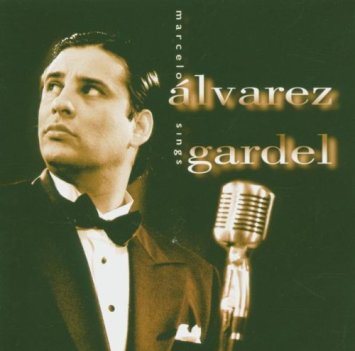 n Argentinian singer.
Marcelo Álvarez (27 February 1962-), born Córdoba, Argentina, is a lyric tenor singer with an international career in opera. In 2000 he released Marcelo Álvarez Sings Gardel through Sony Classical. Recorded 16-23 August 1999 in Buenos Aires, it is a selection of Carlos Gardel’s tangos, accompanied by Nestor Marconi on bandoneón and Pablo Ziegler on piano among others. Eleven of the thirteen tracks were written by Gardel, and Track 13 is a digitally-mastered duet of Álvarez singing Mi Buenos Aires Querido with a 1934 recording of Carlos Gardel.
Compared to Gardel’s recordings of the same songs from during and just before the ‘Golden Age’, these tracks are on average over a third longer, and even Track 13, where Álvarez sings with Gardel, is 17% longer. Álvarez must be singing at the same tempo as Gardel on that track, so this clarifies that some of the difference is in the arrangement. But that track is one of the closest to Gardel’s length, and listening to other pieces such as Tomo Y Obligo, which is 51% longer, makes clear that as well the tempo of Álvarez’ singing is overall much slower.
It’s not just Carbo that sings so slowly, it’s all modern operatically trained singers.
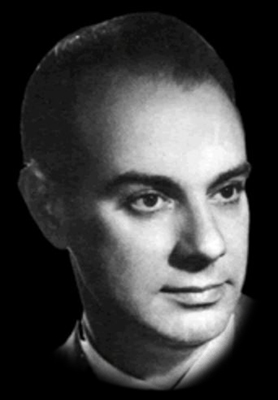
 Following on from last week’s look at the life of Roberto Rufino, this week will explore his music as it unfolded over a quarter of a century with several orquestas – Di Sarli, Francini-Pontier, Caló and Troilo.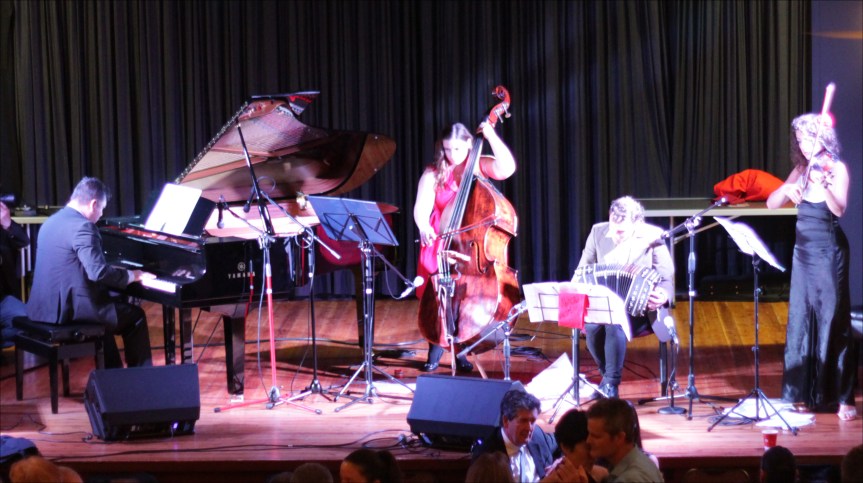
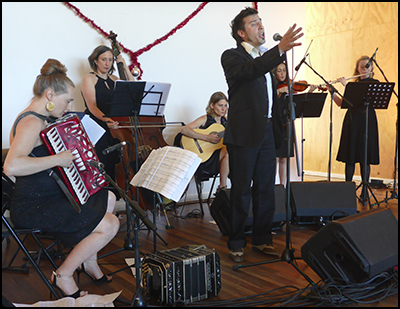
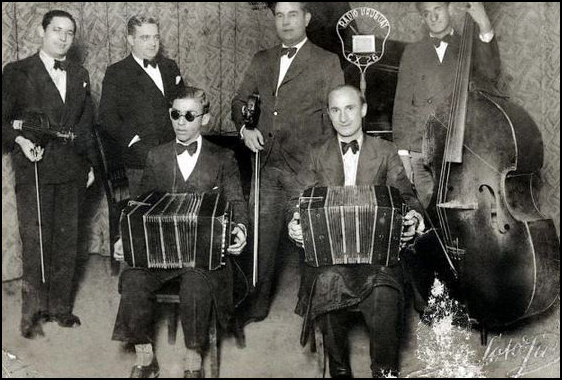
 And picking up on the Canyengue theme established last week, this week’s edition is devoted to a range of canyengue music from Canaro, Lomuto, Firpo, and Orquesta Típica Victor, as well as modern productions from La Tubatango and Cuarteto Guardia Vieja. That’s Tango Capital, 7:00pm to 8:00pm
 It’s BASH weekend, and picking up on the Canyengue workshop being presented there, the theme for the next two weeks is … Canyengue. This week, a look at the dance and its evolution, followed by the second part of the interview with
  2xxfm has been experiencing a series of equipment failures and technical issues, unfortunately due to a variety of causes, including service failures from external providers such as Telstra. Practical steps are being taken to resolve the issues completely, including re-negotiating a new service agreement for streaming with a new provider, complete replacement of obsolete software, replacement of supporting infrastructure such as servers.You will understand that this takes time to do properly and that there can be interim issues as new systems are integrated with existing ones.
 Tango Capital